
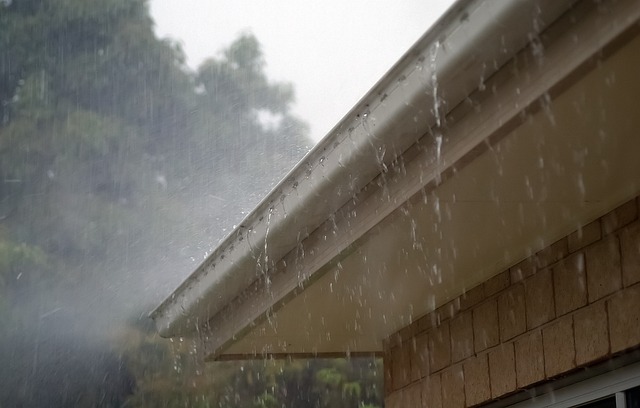
Bad weather is one of the biggest enemies of the perfect home. Across the United States and the wider world, climate and weather varies dramatically from region to region, and each season of the year brings its own set of challenges. From heavy rain and intense winds to blistering heat and even snow and ice in winter, it’s important to understand the risks and how they can affect your home.
Ensuring your property is preparing against these dangers could save you a great deal of time, stress, and money in the future. Here are five practical tips to protect your house from bad weather, no matter where you live.
Look after your roof
Your roof is your home’s first line of defense against the elements. Weather conditions like strong winds, hail, snow, and heavy rain can all compromise roofing materials over time. Make sure to inspect your roof regularly, especially after storms. You are looking for loose or damaged shingles where leaks could spring and deterioration could worsen. Clean your gutters every few months so water can flow freely and consider installing gutter guards to keep debris out.
Seal points of entry
Bad weather can infiltrate your home through the smallest gaps. Sealing openings helps keep out rain, wind, cold, and heat. Install weatherstripping around doors and windows to block drafts and use caulk to fill in smaller cracks.
Protect against wind
High winds can loosen roof tiles, rip off siding, and even break windows. Homes in storm-prone areas will especially benefit from additional reinforcement. It could be a good idea to install storm shutters or impact-resistant windows or trim overhanging tree branches that could fall and damage your home during strong winds. If a storm is forecast, make sure to secure any outdoor structures and furniture. Preparedness is key.
Protect against sun and heat damage
It’s not just nasty weather that can damage your home. Sunshine and warmth can be a risk factor too, taking a toll on roofing materials, paint and even interior furnishings. Choose a UV-resistant paint for exterior walls and consider installing awnings or shade to protect outdoor spaces and reduce the sunlight that filters into your home. Opt for roofing materials that reflect heat rather than absorbing it and ensure your home is properly insulated and ventilated to keep it cool and reduce energy costs.
Waterproof your home
Extreme rain can flood lower levels of your home, causing water to pool around the foundation. As well as leading to structural damage, it can also affect your belongings and lead to health risks for your family. To minimize water issues, grade your landscaping so water flows away from your house. Ensure gutters and drainpipes are clear, and if your area is particularly prone to floods, consider professional waterproofing from a firm such as Best Buy Waterproofing.
In summary, bad weather can strike anywhere and at any time. But by planning ahead and securing your home against the elements, you can reduce the risk of damage and costly repairs.


Leave a Reply