
Key Takeaways
- Reckless driving charges are possible even if you were not speeding.
- A range of dangerous behaviors, including distracted driving and ignoring traffic signals, can lead to charges.
- Penalties vary by state and can include fines, license suspension, or imprisonment.
- Understanding your rights and potential defenses is crucial if you are accused of reckless driving.
Table of Contents
- Introduction
- Understanding Reckless Driving
- Behaviors That Can Lead to Charges
- Legal Consequences by State
- Case Studies
- Defending Against Reckless Driving Charges
- Preventive Measures
- Conclusion
Many people think that reckless driving charges are only the result of extreme speeding. In reality, you can face serious legal action for a range of behaviors that do not involve breaking the speed limit. Reckless driving is more broadly defined, considering intent, disregard for safety, and actions taken behind the wheel. If you find yourself concerned about a potential charge—or want to avoid one—it’s vital to recognize all possible behaviors that may be classified as reckless. For additional insight and legal guidance, you can visit Martinlawfirmpc.com to understand your rights and options.
Reckless driving statutes across the United States empower law enforcement to cite drivers for endangering both themselves and others, regardless of their speed. Some states provide examples of qualifying behavior within their statutes, while others allow more interpretation by law enforcement. Understanding how these laws are enforced can help motorists protect themselves from unintentional violations.
The consequences of a reckless driving charge can be severe and long-lasting. If you’re unsure about the specific laws in your state, it’s wise to consult reputable sources, such as the National Highway Traffic Safety Administration, to stay informed about risk factors and changing regulations.
Understanding Reckless Driving
Reckless driving is legally defined as operating a motor vehicle with a “willful or wanton disregard” for the safety of others or for property. The term is intentionally broad, encompassing more than just a lead foot on the accelerator. Prosecutors may only need to show that the driver knowingly did something dangerous or ignored the likely consequences of their actions.
Behaviors That Can Lead to Charges
While each state interprets reckless driving statutes differently, several behaviors are commonly viewed as reckless even when the driver is not speeding:
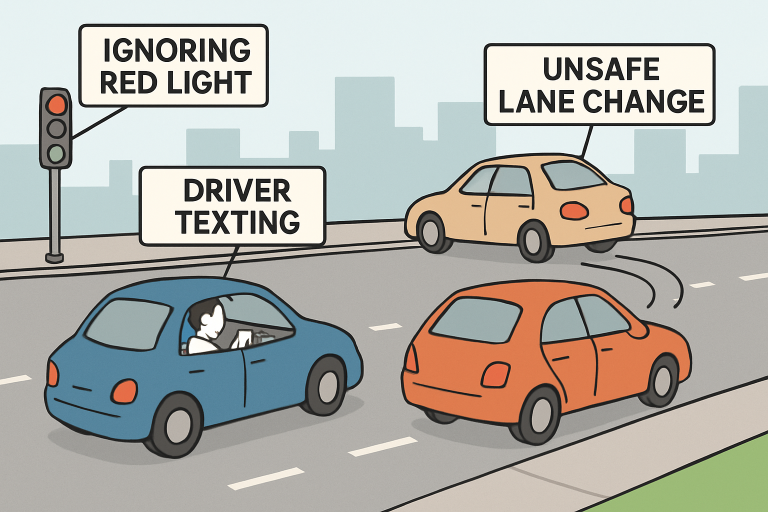
- Aggressive Lane Changes: Quickly weaving in and out of traffic without signaling can alarm other drivers and cause collisions.
- Ignoring Traffic Signals: Running red lights or blatantly ignoring stop signs presents clear dangers, regardless of speed.
- Distracted Driving: Texting, talking on the phone, eating, or using a GPS device while driving increases your risk of being involved in an accident.
- Driving Under the Influence: Alcohol or drugs reduce reaction time and judgment, qualifying as reckless under all state laws.
- Street Racing: Even without exceeding posted speed limits, participation in illegal street racing events is considered reckless.
- Road Rage: Tailgating, verbal threats, and obstructive driving in retaliation to another motorist’s behavior can result in a reckless driving citation.
Legal Consequences by State
The range of penalties for reckless driving varies widely, but most states impose steep fines, add points to your driving record, and may also impose jail time. In Florida, for example, a first-offense conviction for reckless driving could result in up to 90 days in jail and a fine of up to $500. Repeat offenders may face up to six months in jail and a $1,000 fine, in addition to having their license suspended or revoked.
In Virginia, reckless driving is considered a misdemeanor that can remain on your record for years, with potential penalties including a $2,500 fine, license suspension, and up to one year in jail. These examples illustrate the potentially life-altering effects of a single reckless driving charge.
Case Studies Highlighting Non-Speeding Reckless Driving
Courts across the country have upheld reckless driving convictions in situations that don’t involve excessive speed. In one notable Florida case, a driver was determined to have acted with willful disregard when weaving aggressively through rush-hour traffic to avoid delays. Even though they strictly obeyed speed limits, the combination of abrupt lane changes and ignoring signals warranted a conviction.
In another example, a distracted driving case resulted in a reckless driving verdict after the driver rear-ended a stopped vehicle while texting. The absence of speeding was irrelevant; the underlying issue was the apparent failure to pay due attention to the road, which courts determined put others at significant risk.
Defending Against Reckless Driving Charges
Facing a reckless driving charge does not guarantee a conviction. Defendants can employ several strategies:
- Lack of Intent: The defense may argue that the behavior was not intentional and did not display wanton disregard for safety.
- Emergency Situations: Proving that an actual emergency prompted the driver’s actions can sometimes persuade the court to dismiss charges.
- Insufficient Evidence: Challenging the credibility, clarity, or sufficiency of the evidence presented by the prosecutor often forms a critical part of the defense.
A qualified attorney can help leverage these defenses based on the specific facts of each case.
Preventive Measures
The best way to avoid reckless driving charges is to drive responsibly and adhere fully to all traffic laws. Here are some practical tips:
- Always observe posted traffic signs and signals.
- Refrain from aggressive driving behaviors, such as tailgating or making frequent lane changes.
- Limit distractions—stow your phone and focus on the road ahead.
- Never drive under the influence of any substance that could impair your judgment.
- Plan to avoid speeding or risky maneuvers due to running late.
Conclusion
Reckless driving charges are not limited to those who speed. Any behavior that demonstrates a disregard for safety, including distracted or aggressive driving, can lead to severe penalties. Staying educated on local laws, driving cautiously, and seeking legal counsel when necessary will help keep you and others safe while minimizing legal risk.


Leave a Reply