
Table of Contents
- Introduction
- Understanding Rideshare Insurance Policies
- Determining Liability in Rideshare Accidents
- Comparative Negligence in Nevada
- Statute of Limitations for Filing Claims
- Challenges with Insurance Companies
- Steps to Take After a Rideshare Accident
- Conclusion
Introduction
Rideshare services, such as Uber and Lyft, have transformed transportation in Las Vegas by making it easier than ever for people to get around quickly and conveniently. Yet when an accident involving one of these services occurs, securing compensation can be significantly more challenging than in traditional car accident cases. As more residents and visitors rely on rideshare services, understanding the unique legal and insurance hurdles that can arise becomes vital. For anyone injured in a rideshare accident, knowing how the process differs and which steps to take is essential for protecting their rights and obtaining fair compensation. For additional resources and legal guidance tailored to rideshare accidents, visit injuryfirm.vegas.
Because rideshare accident claims involve multiple parties, variable insurance policies, and rapidly changing company guidelines, it is crucial to understand the factors that make these claims more complex. Victims face hurdles ranging from confusion about insurance coverage during different phases of a ride to unclear liability between the driver, rideshare company, and third parties. Effective legal representation often becomes the difference between a denied claim and successful compensation.
Unlike standard car accident cases, victims in rideshare crashes must also navigate a maze of app status definitions, shifting liability, and aggressive claims tactics by rideshare insurers. Even determining whose policy is responsible typically involves painstaking examination of electronic records and statements.
This article breaks down the main challenges facing rideshare accident claimants in Las Vegas — from understanding insurance tiers to taking effective action after a crash. Informed victims have a much better chance of recovering damages when they know how to respond and what evidence to preserve.
Understanding Rideshare Insurance Policies
Insurance coverage for rideshare drivers hinges on their app status at the moment of the accident. If the driver is “offline” and not logged in to the company’s app, their personal auto insurance, not the rideshare company’s, is the only active policy. When the driver is logged in and available but not yet matched with a rider, the rideshare company provides secondary coverage, typically with lower policy limits. If the driver is en route to pick up a rider or actively transporting one, the rideshare company’s higher-limit, $1 million commercial liability policy is triggered, covering injuries and damages during that period.
Problems can occur when there is disagreement over whether the driver was actively using the app or transporting a passenger at the time of the accident. Rideshare companies and their insurance providers often scrutinize trip records and digital timestamps to limit their coverage wherever possible. This results in delays, disputes, or even outright denials in some claims.
Determining Liability in Rideshare Accidents
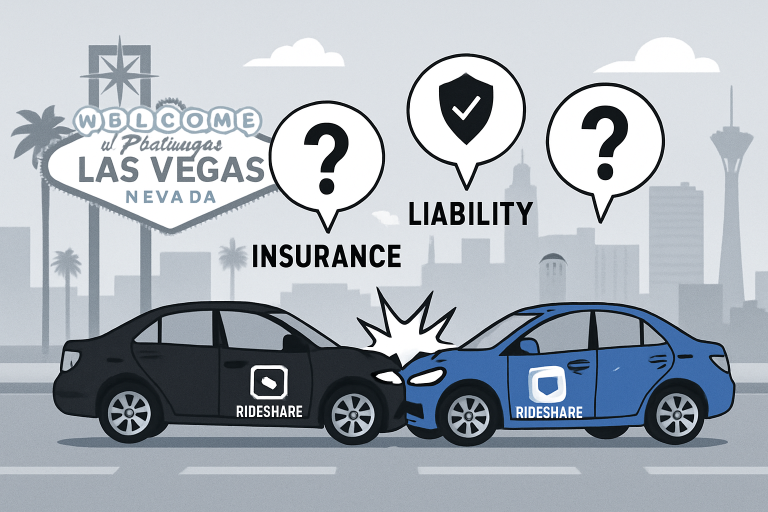
Assigning financial responsibility after a rideshare accident can be complex due to the involvement of various potential at-fault parties. If the rideshare driver’s own negligence led to the collision, they may be individually liable, though their personal insurance may not always cover incidents during rideshare activity. If the driver was transporting a passenger or on the way to pick one up, the rideshare company may be held responsible for damages through its commercial insurance. Additionally, if another driver on the road caused the crash, that party’s insurance may ultimately bear the liability.
Legal liability often requires careful review of evidence, police reports, and digital app data. Because rideshare companies frequently attempt to shift blame to others or contest their drivers’ involvement, victims need to act swiftly in gathering supporting documentation and statements. Significant national news sources such as The New York Times have reported on the growing complexity of rideshare-related accident claims in recent years.
Comparative Negligence in Nevada
Nevada’s modified comparative negligence rule directly impacts compensation in rideshare accident claims. If an injured party is found to be partially at fault but their portion of responsibility is less than 51 percent, they can still recover damages, though their percentage of fault reduces the payout. For those assessed at 30 percent responsible, the total compensation is decreased by that same percentage. This legal principle can make settlement negotiations challenging, as insurers often try to overstate the victim’s role in the incident to reduce their own liability. For a detailed overview of comparative negligence standards, see this Nolo guide.
Statute of Limitations for Filing Claims
In Nevada, victims of rideshare accidents have only 2 years from the date of the accident to file a personal injury claim in court. Missing this crucial deadline typically results in permanent disqualification from seeking damages, regardless of the severity of the injuries. Because certain rideshare cases may involve lengthy investigations or negotiations with insurance companies, injured parties should seek legal advice and act promptly to protect their rights and preserve all available evidence.
Challenges with Insurance Companies
Insurance companies, whether representing the rideshare service or involved third parties, employ a range of tactics to minimize their payouts. Some of the most common challenges accident victims face include insurers disputing the driver’s status on the app at the moment of the crash (to limit coverage obligations), blaming third parties or the victim to reduce liability, and delaying or withholding crucial data such as trip records and digital logs. These defensive strategies can drag out the claims process and create additional stress or financial hardship for those injured in the accident.
Steps to Take After a Rideshare Accident
Victims can significantly strengthen their personal injury case by taking the following immediate actions:
- Seek Medical Attention: Always prioritize health and safety. Obtain treatment for injuries and ensure medical professionals document details.
- Report the Accident: Contact local law enforcement and secure a formal accident report, which provides crucial third-party documentation of the incident.
- Document the Scene: Gather evidence, including photographs of the vehicles and road conditions, app screenshots, and witness contact information. Record the driver’s app status at the time of the accident, if possible.
- Consult an Attorney: Navigating insurance negotiations and legal claims after a rideshare accident often demands experience. Consulting a personal injury attorney with a track record in rideshare cases ensures that complex legal issues are handled correctly, maximizing your likelihood of a fair recovery.
Conclusion
Rideshare accidents in Las Vegas present serious and unique challenges that complicate personal injury claims. From disputes over insurance eligibility to shifting liability and aggressive insurer tactics, injured riders and drivers face an uphill battle for compensation. Knowing how to respond after a crash, documenting every detail, and seeking professional legal advice are essential steps to protect your rights. By following the guidance outlined above and acting quickly, victims can give themselves the best chance of securing the compensation they need to recover and move forward.


Leave a Reply