
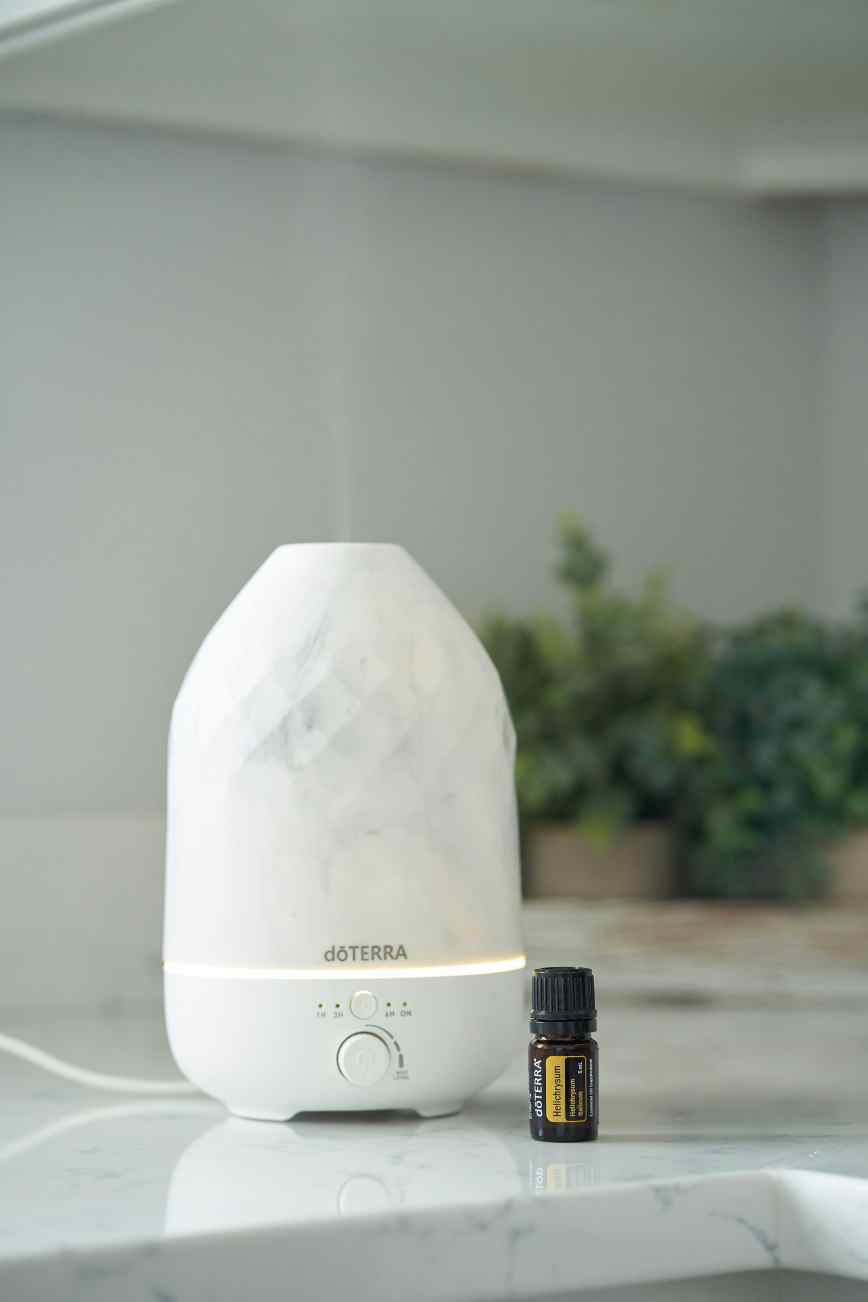
Introduction
Creating a spa-like environment at home starts with the right essential oil diffuser. Whether you’re new to aromatherapy or looking to upgrade, this guide walks you through every decision point—from device types and must-have features to maintenance tips—so you can invest in a unit that boosts your mood, enhances air quality, and fits your lifestyle.
Why an Essential Oil Diffuser Is a Must-Have
- Disperses subtle, consistent fragrance without heat or chemicals
- Supports well-being: alleviates stress, improves sleep, sharpens focus
- Acts as a natural humidifier in dry climates or during winter
- Integrates seamlessly into scent marketing strategies at https://themagicscent.com/ for offices, spas, or retail spaces
Understanding the Different Types of Diffusers
Ultrasonic Diffusers
These units use high-frequency vibrations to transform a water-oil mix into a fine mist.
- Whisper-quiet operation—ideal for bedrooms or meditation spaces
- Doubles as a humidifier to soothe dry air
- Requires regular cleaning to prevent mold and mineral buildup
- Best with water-soluble essential oils
Nebulizing Diffusers
Nebulizers atomize undiluted essential oil into airborne particles for maximum potency.
- Delivers the strongest, most concentrated scent throw
- No water dilution preserves oil integrity and therapeutic compounds
- Higher price point and louder motor noise
- Oil consumption is faster—plan to restock more often
Evaporative and Heat Diffusers
Evaporative Diffusers
Evaporative models rely on natural airflow—often a small fan—that passes over an oil-saturated pad or wick, dispersing fragrance into the air.
- Pros:
- Low cost and minimal moving parts
- Portable—works without water or electricity in reed variants
- Cons:
- Uneven scent distribution; fragrance weakens as pad dries
- Not ideal for large rooms or consistent aroma levels
Heat Diffusers
Heat diffusers gently warm essential oils—either via a heated plate or lamp—allowing volatile compounds to vaporize.
- Pros:
- Silent operation; no fans or motors
- Simple setup and virtually no maintenance
- Cons:
- Heat can alter or degrade delicate oil properties
- Limited coverage area; fragrance may smell “cooked”
Key Features to Evaluate Before Buying
Coverage Area and Output
- Match diffuser’s square-foot rating to your room:
- Small (up to 200 ft²): ideal for bedrooms or home offices
- Medium (200–500 ft²): suitable for living rooms and studios
- Large (500 ft²+): best for open-plan spaces or commercial areas
- Look for adjustable mist settings to control fragrance intensity
Water Tank Capacity and Runtime
- Tanks under 100 ml: run 2–4 hours per fill
- Tanks 100–500 ml: run 6–12 hours, fewer refills
- Features to seek:
- Auto shut-off when water is low
- Low-water warning or indicator light
Material, Design, and Durability
- Common materials: BPA-free plastic, glass, ceramic, or wood accents
- Choose a finish that complements your décor—minimalist, rustic, or sculptural
- Inspect seals and ports for leak resistance and long-term reliability
Noise Level and Maintenance
- Check dB ratings:
- Under 25 dB: nearly silent for bedrooms and libraries
- 25–40 dB: mild background hum ideal for living areas
- Cleaning considerations:
- Wide openings for easy access
- Detachable reservoirs or dishwasher-safe parts
Safety Features and Auto Shut-Off
- Tip-over protection for cordless or portable designs
- Timer functions (1–8 hours) for scheduled operation
- Leak-proof seals and non-slip bases
- Certification marks (UL, ETL) for electrical safety
Step-by-Step Buying Guide
- Define Your Aromatherapy Goals
- Clarify whether you need soothing sleep aid, stress relief, or energizing daytime diffusion
- Decide if you also want humidification or purely fragrance dispersal
- Establish Your Budget
- Entry-level models: $20–$40 for basic ultrasonic diffusers
- Mid-range: $40–$80 for larger tank capacities and advanced features
- Premium units: $80+ for designer finishes, nebulizing diffusers, and smart integrations
- Research Reputable Brands
- Read verified user reviews on retailer sites and forums
- Check for certifications (UL, ETL) and warranty length
- Look for clear return policies and customer support responsiveness
- Compare Top Contenders Side by Side
- Create a simple spreadsheet with specs: tank size, runtime, noise level, price
- Note any included accessories: extra pads, cleaning brushes, carrying cases
- Purchase from Authorized Sellers
- Ensure authenticity and warranty protection by ordering through the manufacturer’s site or their verified partners like https://themagicscent.com/
- Avoid gray-market imports that may lack safety testing
Maintenance and Care Tips for Longevity
- Clean Weekly with Mild Soap and Water or Vinegar to Prevent Buildup
- Use Distilled Water to Reduce Mineral Deposits on Ultrasonic Plates
- Wipe Exterior Surfaces with a Soft, Damp Cloth after Each Use
- Replace Evaporative Pads or Wicks Every 1–3 Months, Depending on Usage
- Store Disassembled Components in a Dry, Dust-Free Environment
Common Mistakes to Avoid
- Overfilling Past the Maximum Fill Line, Leading to Leaks or Motor Strain
- Using Undiluted or Thick Carrier Oils in Water-Based Diffusers
- Neglecting Routine Cleaning, Which Can Cause Mold, Clogs, and Weak Mist
- Running the Diffuser 24/7 without Timers or Auto Shut-Off, Wasting Oil and Electricity
Conclusion
Choosing the right essential oil diffuser comes down to matching device type, room size, and lifestyle. By evaluating coverage area, runtime, noise level, and maintenance needs—and by following a clear buying roadmap—you’ll invest in a diffuser that elevates your well-being for years to come. Ready to transform your space? Discover curated scent solutions at https://themagicscent.com/ and bring professional-grade aromatherapy into your home or business today.


I love letting essential oils scent my house. I’ve tried many kinds of diffusers, and my favorite is nebulizing as it isn’t concentrated.