

Key Takeaways
- Begin planning your move at least two months in advance for the best experience.
- Declutter your home to simplify packing and reduce costs.
- Use a comprehensive checklist to keep all moving tasks on track.
- Label boxes by room and contents to make unpacking easier.
- Update utilities and your address before the move to prevent disruptions.
Table of Contents
- Start Planning Early
- Declutter Your Home
- Create a Moving Checklist
- Efficient Packing Strategies
- Label Boxes Clearly
- Notify Utility Providers and Update Address
- Pack an Essentials Box
- Take Care of Yourself
Moving to a new home represents both an adventurous journey and a major life transition. While it often implies new beginnings, the process can be daunting without the right plan. Fortunately, with thoughtful preparation, you can alleviate much of the stress that comes with relocating. Hiring experienced moving professionals, such as Checkmate Moving, can make a significant difference in creating a seamless experience while ensuring your valuables are safely transported.
Taking control early and staying organized will drastically reduce your moving anxiety. It is important to proceed step by step, focusing first on preparations before moving day. Whether you are moving across town or to a new city, these strategies will help you manage your time efficiently and effectively. With a proactive approach, you can celebrate an exciting change while keeping unnecessary worries at bay.
Start Planning Early
Getting an early start is one of the most crucial factors in achieving a stress-free move. Begin outlining your moving process at least 8 weeks before the big day. This lead time allows you to prioritize tasks, gather supplies, and research moving services without feeling rushed. Mapping out your schedule in advance prevents common pitfalls and helps you anticipate challenges before they become emergencies.
Declutter Your Home
Moving presents an excellent opportunity to review your belongings and separate things you no longer need. By sorting, donating, or discarding excess items, you will lighten your load and reduce moving costs. A streamlined inventory also translates to fewer moving boxes, less packing time, and more space for essentials. The decluttering phase helps ensure your new home remains organized and clutter-free from the beginning.
Create a Moving Checklist
A well-drafted moving checklist serves as your navigation tool from start to finish. Your list should break down major milestones, including scheduling movers, securing transportation, collecting packing supplies, and notifying key contacts about your address change. Keeping track of everything in writing not only boosts your confidence but also helps the entire household remain informed and involved.
Efficient Packing Strategies
Start by packing non-essential items as early as you can, working room by room. Use sturdy boxes and fill any empty spaces with cushioning materials, such as bubble wrap or towels, to protect items in transit. Daily necessities should remain accessible, so reserve these items for last-minute packing. Grouping similar items together and keeping a running inventory of what is packed in each box further supports an organized move.
Label Boxes Clearly
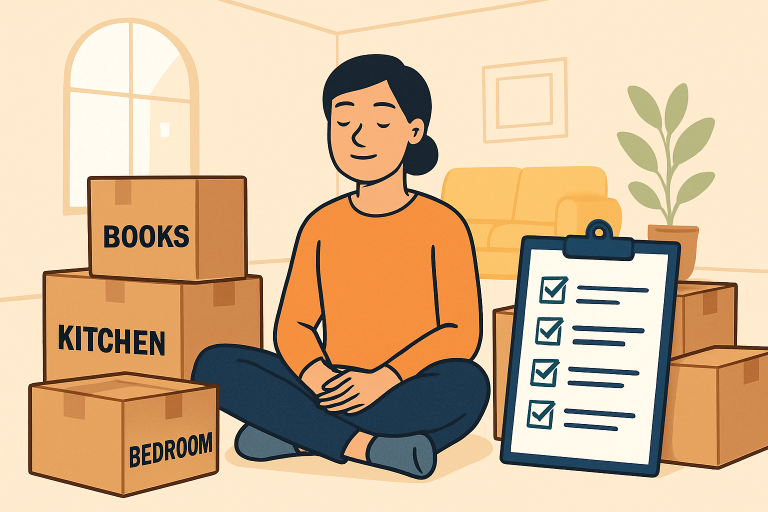
Systematic labeling is essential for a streamlined moving and unpacking process. Write the contents and the intended room on every box. For even greater clarity, use color-coded labels or stickers according to each room. This approach guides movers to place boxes in the right locations and helps you locate important items immediately after your arrival.
Notify Utility Providers and Update Address
To avoid gaps in your essential services, contact your utility companies several weeks before moving. Arrange for the cutoff at your current address and activation at your new residence. It is also wise to update your address with the postal service, banks, employers, and other important organizations. Missing this step can lead to missed bills, delayed mail, or unwanted interruptions.
Pack an Essentials Box
Prepare a box specifically for your immediate post-move needs. This box should include toiletries, medications, basic kitchenware, chargers, a couple of changes of clothing, and important documents. Having these items on hand ensures that you can settle in comfortably even if you do not unpack everything right away.
Take Care of Yourself
While logistics are important, your physical and emotional health is equally critical. Be sure to take regular breaks, drink plenty of water, and get enough rest as moving day approaches. Practice patience and maintain a positive outlook, understanding that even the best plans may encounter surprises. Lean on friends or family for support and allow yourself moments of relaxation to recharge.
Conclusion
When you follow a structured moving plan, you gain peace of mind and confidence in your transition. From sorting and packing to final details like utilities and self-care, every step brings you closer to enjoying your new space. By staying organized and seeking support when needed, a stress-free move becomes a realistic and achievable goal.


Leave a Reply