
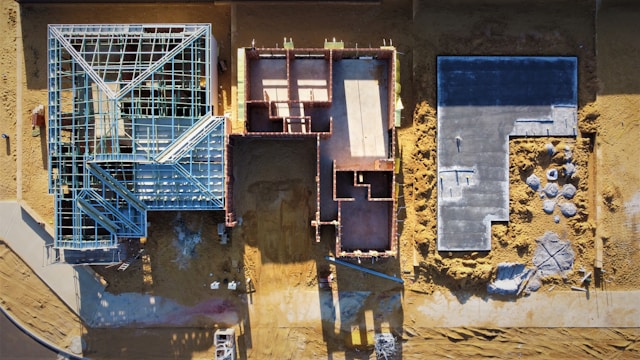
Deciding between building a brand-new home and taking on a major remodel is no small feat. It affects finances, daily routines, and long-term plans. Many homeowners reach a point where their current space no longer works, yet finding a home that ticks all the boxes seems impossible. Your next choice will be between a new build or a major renovation. Let’s discuss the ins and outs of building new and renovating to assist homeowners in deciding what is next for them.
Start With the End in Mind
Before comparing costs or timelines, it helps to define the outcome you want. Are you trying to gain square footage, improve flow, increase property value, or reduce maintenance? Some homeowners want a home that reflects a very specific lifestyle change, like a growing family or multigenerational living. Others simply want better function within the same footprint.
Clarifying the end goal shapes every other decision. If the vision requires a complete rethinking of layout and infrastructure, building new may align better. If the goal is refinement rather than reinvention, a remodel could accomplish it without starting over.
Let’s Talk About Budget
Cost is a major concern for most. A new build includes land preparation, materials, labor, architectural plans, and utility connections. Financing usually requires a construction loan before converting to a standard mortgage. A large remodel can seem more affordable at first, especially if the home is already owned, but once work begins, unexpected issues sometimes appear. Outdated wiring, structural problems, or water damage can increase expenses quickly. Requesting detailed estimates for both options and budgeting for contingency funds in each scenario helps create a realistic comparison.
Location Matters More Than You Think
Many homeowners love their neighborhood but feel limited by their house. If the location is ideal, remodeling can preserve access to schools, neighbors, and daily conveniences. At the same time, lot size and zoning regulations can limit what is possible. Height restrictions, setback requirements, and homeowner association rules may prevent the expansion someone has in mind. Building on a different lot may provide more flexibility if the current property limits cannot support future plans. Reviewing local regulations early prevents frustration later.
How Much Design Freedom Do You Want?
A new build offers significant design control. Floor plans can reflect current lifestyles, storage can be intentional, and natural light can be prioritized from the beginning. Modern energy systems and technology can be integrated seamlessly. With a remodel, creativity still plays a role but must work within the home’s existing structure. Load-bearing walls and foundation layouts can restrict certain changes. For homeowners who want a home designed specifically around long-term goals, working with experienced builders such as the experts at Superior Custom Homes can provide a path toward a fully personalized result without adapting to older limitations.
Time and Daily Life
Construction requires a lot of patience, regardless of the path chosen. A new build follows a structured process once permits are approved, and while delays can happen, the overall sequence tends to be predictable. Remodeling can be less predictable because the home might reveal issues that need to be dealt with before any additional work or upgrades can be done. If homeowners remain in the house during renovation, daily routines may be disrupted by noise and limited access to certain areas for months on end. Thinking honestly about tolerance for inconvenience helps shape the decision. If your budget allows it, it might be best to rent somewhere while your home is being remodeled so that the disruption to your daily life is limited.
The Condition of the Existing Home
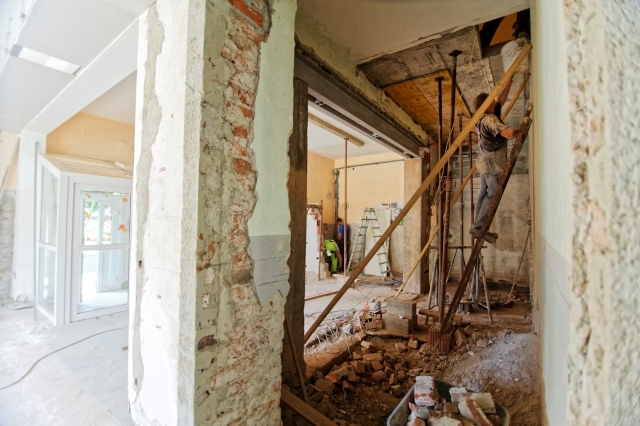
Older homes often carry maintenance concerns that are not immediately visible. Even after updating kitchens or bathrooms, original systems may continue aging and cause problems like poor water pressure or bad wiring. Plumbing, electrical wiring, roofing, and insulation may need replacement sooner than expected. A new build provides updated systems throughout, which can reduce repair needs in the early years. A professional inspection is essential before committing to a remodel because understanding the true condition of the structure prevents costly surprises later.
Energy Efficiency and Long-Term Costs
Energy efficiency affects monthly expenses more than most homeowners realize. New homes can incorporate advanced insulation, efficient HVAC systems, and high-performance windows from the start, leading to lower utility bills over time. Renovations allow for upgrades, but retrofitting an older home can be complex and sometimes limited by structural constraints and budget. Comparing projected utility costs for both options offers a practical way to measure long-term savings rather than focusing only on upfront construction costs. Make sure you consider the bigger picture.
Emotional Attachment and Resale
A house often holds personal history. Memories, established landscaping which can cost a fortune to replace (often not considered with new builds), and familiar surroundings can make renovation appealing. Staying in place may feel practical and stable. At the same time, resale value deserves attention. A remodel can price your home in its current neighbourhood out of the market if you spend more than you can ask for when you sell. In some markets, buyers favor new construction because of modern layouts and reduced maintenance concerns. In others, renovated homes with character remain highly desirable. Reviewing comparable sales and local trends provides helpful insight into how each option may perform in the future.
A Simple Decision Checklist
When the options begin to feel overwhelming, a written checklist can bring clarity:
- Confirm the full budget, including contingency funds
- Review zoning rules and lot limitations
- List essential design features that cannot be compromised
- Assess the structural condition through inspection
- Compare estimated timelines
- Calculate long-term maintenance and utility costs
- Consider resale trends and personal attachment to the property
Considering these factors together often highlights the more practical direction.
Choosing between a new build and a major remodel requires balanced evaluation. Building new offers design flexibility, updated systems, and a clean starting point. Remodeling preserves location and existing investment while improving functionality. There is no universal answer. By carefully reviewing finances, property limitations, structural conditions, and market trends, homeowners can select the option that aligns with both present needs and future plans. Thoughtful planning remains the most reliable way to ensure a successful outcome.


This is a great post. So many things to think about when building. One thing high on my list is handicap accessible. I was in a wheelchair at age 34 due to a torn meniscus and talk about eye opening. I want to build with accessibility in mind. Not to mention, handicap accessible is a huge selling point.