
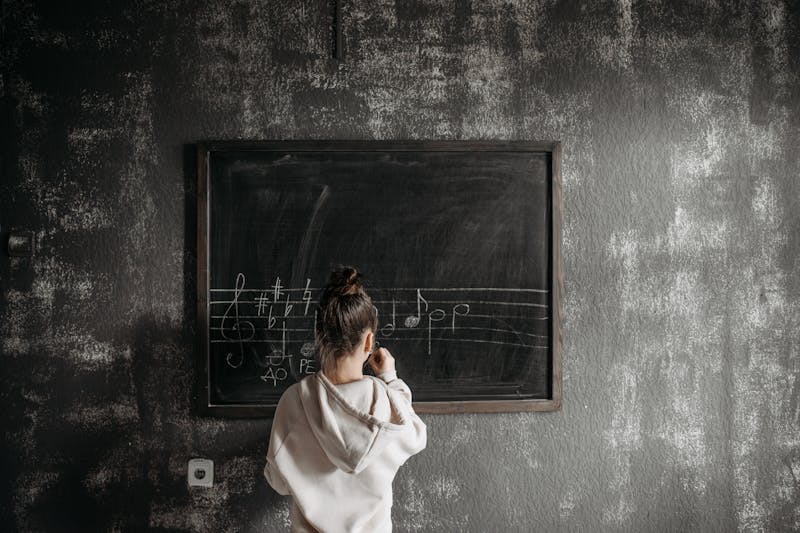
Group teaching is efficient, there’s no denying that. But it’s also harder than most people realize. And whether you’re diving into teaching music to kids or adults, things get messy really fast.
When you have groups of people, the dynamics change, and before you know it, you’re supporting some students, letting others fall behind, and your time is spent trying to figure out how you can make this experience work for everyone. Honestly, there is so much benefit for learners in group settings, but if you’re not getting it right, these benefits won’t come through, and things will just become complicated for everyone involved.
Let’s take a look at some of the hidden challenges you might be facing and how you can fix them easily.
Mixed Ability in the Same Session
This is one of the most common issues in group settings: that everyone isn’t at the exact same level. And while you might have different classes for people at different stages, there will still be some variance in skills within the class. Some students might be racing ahead, while others struggle to keep up, and the rest are somewhere in the middle. And this isn’t a failing on your part or even the students; it’s simply how things go.
What works best here is designing classes in layers. You have core activities that everyone completes, with optional extension work for faster students and supported variations for those who need more support.
And from an educational standpoint, it requires you to know this, accept it, and accommodate the specific learning needs of each member of the group and give your attention where and when it’s needed.
Progress Tracking Gets Messy
In line with the above point, when people are naturally at different points, tracking this in group classes can be really difficult. Tracking one-on-one is easy. But when you move into class settings with multiple learners, it is quite different.
If you’re relying on memory, loose notebooks, or scattered documents, this will just result in inconsistency — you’ll forget what you covered in the previous lesson, where each student is individually, their repertoire, and their goal. This is where systems designed specifically for things like group piano lessons come in handy; it’s not about being techy but collating the details in the right place so you and your students get the learning experience they need and the consistency they expect from you.
Planning Time Outweighs Teaching Time
This is something educators across the board deal with; it’s not limited to music teachers or college professors, it’s everyone from kindergarten level upwards.
And yes, group music classes are more efficient, but they can double your prep time.
If you’re teaching several groups per week, then you need to rely on reusable structures you can fall back on time and time again. It’s using session templates, revolving activities, and having banks of exercises that can be adopted across levels. This way, your planning becomes refinement, not reinvention. And then when you do need to throw something new into the mix, it’s easier to slot in and adjust smaller sections than entire lesson plans.

Leave a Reply