
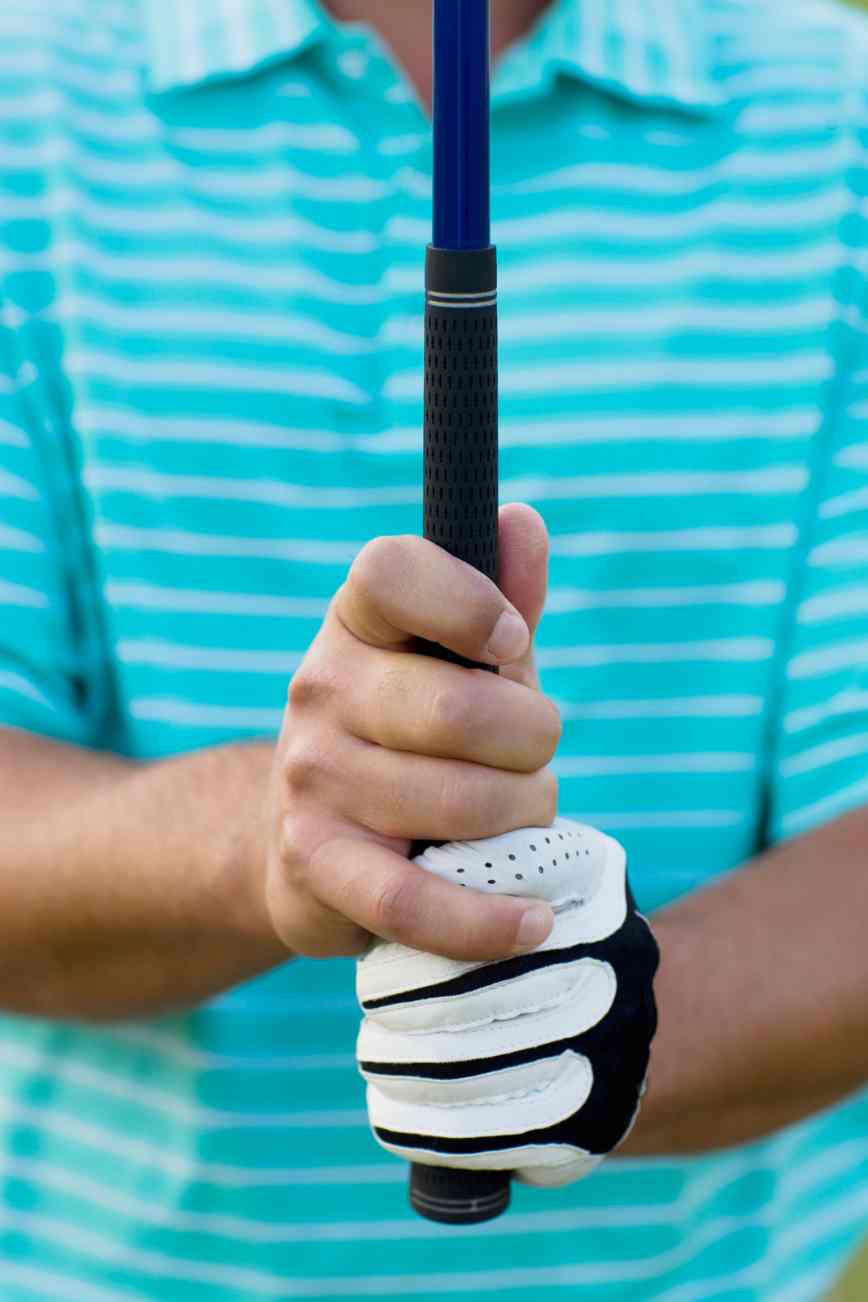
What Is Golf Grip Tape and Why It Matters
In the intricate world of golf, where precision and consistency define performance, the grip on your club plays a pivotal role. Often overlooked, golf grip tape is the unsung hero that ensures a secure, comfortable, and performance-enhancing connection between your hands and the club.
Golf grip tape is a specialized adhesive material applied to the shaft of a golf club before installing the grip. Its primary function is to hold the grip firmly in place, preventing slippage during swings. But beyond adhesion, it also contributes to cushioning, vibration dampening, and overall feel—factors that directly influence your control and confidence on the course.
Whether you’re a seasoned golfer or just starting out, understanding the role of grip tape can help you fine-tune your equipment and elevate your game.
Types of Golf Grip Tape
Choosing the right type of golf grip tape depends on your playing style, grip preferences, and installation method. Here’s a breakdown of the most common types:
Double-Sided Golf Grip Tape
- Most popular and widely used.
- Strong adhesive on both sides for secure grip installation.
- Compatible with solvent-based installation methods.
- Ideal for DIY regripping and professional setups.
- Recommended product: golf grip tape
Solvent-Activated Tape
- Requires grip solvent to activate adhesion.
- Allows repositioning before it sets.
- Preferred by many club fitters for its flexibility.
- Works well with rubber and corded grips.
Water-Activated Tape
- Eco-friendly alternative to solvent-based tapes.
- Activated using water, making it safer and cleaner.
- Less common but gaining traction among DIY enthusiasts.
Pre-Cut vs. Roll Tape
- Pre-Cut Strips:
- Convenient and consistent sizing.
- Ideal for quick installations.
- Tape Rolls:
- Customizable length.
- More economical for bulk regripping.
Each type offers unique benefits, and experimenting with different options can help you discover what works best for your swing and grip style.
How to Apply Golf Grip Tape Like a Pro
Installing golf grip tape might seem intimidating at first, but with the right tools and a bit of patience, it’s a straightforward process. Whether you’re regripping your clubs at home or prepping for a tournament, following a professional approach ensures optimal results.
Tools You’ll Need
Before you begin, gather the following tools:
- Golf grip tape (preferably double-sided golf grip tape)
- Grip solvent or water (depending on the tape type)
- Utility knife or hook blade (for removing old grips)
- Rubber vise clamp (to secure the club)
- A clean cloth or towel
- New golf grips
Step-by-Step Installation Process
- Secure the Club
Place the club in a vise using a rubber clamp to avoid damaging the shaft. - Remove the Old Grip
Use a hook blade to carefully cut and peel off the old grip. Dispose of it safely. - Clean the Shaft
Remove any leftover tape or residue using a cloth and solvent. A clean surface ensures better adhesion. - Apply the Golf Grip Tape
- Use a pre-cut strip or cut a piece from your roll.
- Wrap the golf grip tape evenly around the shaft, leaving a little overhang at the butt end.
- Tuck the overhang into the shaft to create a smooth edge.
- Add Solvent or Water
- Pour grip solvent inside the new grip and over the tape.
- Shake the grip to coat the inside, then pour the excess over the tape to lubricate it.
- Install the New Grip
- Slide the grip onto the shaft quickly before the solvent dries.
- Align the grip logo with the clubface.
- Wipe off any excess solvent.
- Let It Dry
Allow the grip to dry for at least 4–6 hours, though 24 hours is ideal for full adhesion.
Common Mistakes to Avoid
- Using too much or too little tape, which can affect grip size and feel.
- Not cleaning the shaft thoroughly before applying new tape.
- Failing to align the grip properly, leading to inconsistent hand placement.
- Rushing the drying process, which can cause the grip to twist during play.
Pro Tips for Choosing the Right Golf Grip Tape
Selecting the best golf grip tape isn’t just about brand or price—it’s about matching the tape to your playing style, climate, and personal preferences. Here are some expert tips to guide your decision:
Consider Your Playing Conditions
- Hot and Humid Climates: Opt for tackier grip tape that resists moisture and sweat.
- Wet Conditions: Look for water-resistant or solvent-activated tapes for better durability.
Match Tape to Grip Type
- Corded grips often require stronger adhesive tapes.
- Rubber grips are more forgiving and work well with most tape types.
Thickness and Feel
- Adding extra wraps of tape can increase grip thickness.
- Thicker grips reduce wrist action and may help with control and comfort.
- Experiment with one or two extra wraps to find your ideal feel.
Durability and Brand Quality
- Not all tapes are created equal—cheap options may peel or lose adhesion quickly.
- For long-lasting performance and trusted quality, visit this website to explore premium grip tape options.
Maintenance and Replacement Tips
To keep your clubs performing at their best, regular maintenance of your grips and golf grip tape is essential. Over time, even the best tape can lose its tackiness or become misaligned due to wear and tear.
How Often Should You Replace Grip Tape?
- Every 6–12 Months: For frequent golfers, regripping once or twice a year is ideal.
- Visible Wear: Cracks, hard spots, or slippage are signs it’s time to replace.
- Loss of Feel: If your grip feels slick or inconsistent, the tape may be compromised.
Cleaning and Care
- Use a damp cloth to wipe down grips after each round.
- Avoid harsh chemicals that can degrade the tape underneath.
- Store clubs in a cool, dry place to prevent adhesive breakdown.
How Golf Grip Tape Impacts Your Game
While it may seem like a small detail, golf grip tape can significantly influence your performance. Here’s how:
- Improved Swing Control: A secure grip allows for smoother transitions and better follow-through.
- Reduced Hand Fatigue: Proper cushioning minimizes strain during long rounds.
- Boosted Confidence: Knowing your grip won’t slip lets you focus on technique, not equipment.
Whether you’re adjusting grip thickness or switching tape types, these tweaks can lead to measurable improvements in your accuracy and consistency.
Final Thoughts: Small Change, Big Difference
In the pursuit of better golf, it’s easy to focus on clubs, balls, and swing mechanics—but don’t underestimate the power of a well-installed grip. The right golf grip tape ensures your hands stay connected to the club, translating your intent into action with precision.
From choosing the right type to mastering the installation process, this guide equips you with everything you need to make informed decisions. Whether you’re a weekend warrior or a competitive player, upgrading your grip tape is a simple yet impactful way to elevate your game.

Leave a Reply