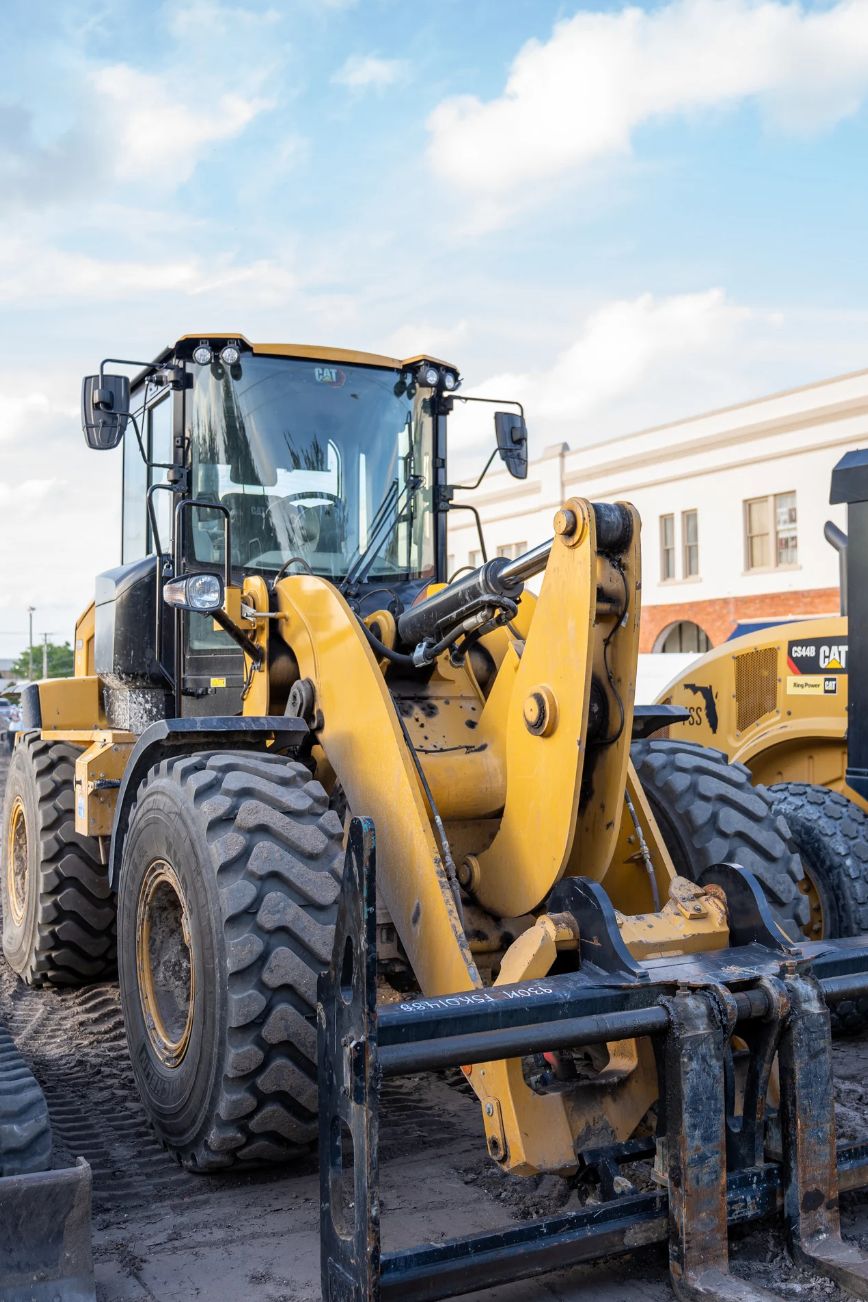
The construction sector is experiencing a monumental technological shift driven by advanced machinery, automated controls, and smart data systems. Outdated work methods and legacy tools frequently cause costly scheduling delays, inflated labor overhead, and persistent safety hazards. Modernizing heavy equipment fleets allows general contractors to maximize daily productivity, eliminate material waste, and safeguard crew members on active job sites.
Precision Machine Control and Automated Grade Guidance
Modern earthmoving machinery incorporates integrated grade control systems that rely on global navigation satellite positioning and laser sensors to guide cutting edges with sub-centimeter accuracy. Rather than relying solely on visual estimations from ground operators, modern excavators, motor graders, and bulldozers automatically position their blades and buckets to match three-dimensional engineering plans. This digital interface removes human error from initial cut and fill passes, ensuring the dirt is moved accurately on the first attempt.
The elimination of manual grade checking fundamentally transforms daily site logistics. In traditional operations, grade stakes had to be repeatedly surveyed, driven into the soil, and manually verified by technicians walking near swinging counterweights and moving tracks. Automated grade guidance removes personnel from active machinery blind spots, dramatically enhancing worker safety while allowing heavy equipment to operate continuously at full production speed without pausing for survey spot-checks.
Furthermore, precision grading minimizes unnecessary material consumption and over-excavation. Moving surplus earth or laying down excess structural base gravel incurs steep fuel expenses and inflates aggregate supply invoices. By adhering strictly to engineered terrain models, automated earthmoving machinery ensures that bedding stone, asphalt, and concrete are poured to precise design thicknesses, saving general contractors thousands of dollars on bulk material orders.
Real-Time Positioning and Automated Blade Adjustments
Hydraulic valves respond dynamically to satellite elevation data, raising and lowering cutting edges instantly to prevent over-digging on complex drainage slopes.
Onboard cab monitors render real-time elevations and cut-fill maps, giving operators complete spatial awareness of subterranean utilities and target elevations. Automated adjustments eliminate costly excavation guesswork.
Eliminating Manual Staking and Rework Cycles
Eliminating wooden grade stakes prevents surveying lines from being destroyed by moving tracks, saving engineering crews hours of field restaking.
Executing site contours accurately on the initial pass eliminates secondary rework shifts, accelerating overall earthwork phases ahead of planned foundation milestones. Digital guidance shortens grading schedules.
Advanced Telematics and Predictive Fleet Diagnostics
Modern construction assets are equipped with sophisticated telematics modules that continuously stream vital mechanical data to remote fleet management dashboards. Embedded engine sensors monitor hydraulic pressures, oil temperatures, fuel burn rates, battery voltages, and exhaust emissions in real time. This constant data transmission provides equipment managers with total visibility into asset health, whether machinery operates on a nearby urban infill project or a remote rural highway expansion.
Actionable telematics data allows project executives to pinpoint operational inefficiencies that drain daily profit margins. Tracking equipment idle times reveals instances where operators leave engines running during extended pauses, burning diesel fuel needlessly and accumulating unnecessary engine service hours. Utilizing fleet analytics to enforce sensible idle-shutdown policies curtails fuel waste, lowers carbon emissions, and preserves the resale value of capital investments over time.
Beyond monitoring day-to-day operations, predictive diagnostic algorithms prevent catastrophic mechanical breakdowns. Telematics platforms detect minor operating anomalies—such as a slight drop in transmission fluid pressure or abnormal vibration in a hydraulic pump—well before physical symptoms cause complete component failure. Addressing these mechanical alerts proactively through scheduled, off-shift maintenance prevents sudden job-site work stoppages that throw entire subcontractor schedules into disarray.
Remote Asset Tracking and Fuel Optimization
Satellite transceivers log geographic coordinates and operating statuses continuously, enabling project managers to balance machine assignments across large job sites.
Monitoring real-time fuel consumption patterns identifies inefficient travel routes and haul-road bottlenecks that increase diesel expenditures. Fleet tracking minimizes operational waste.
Condition-Based Servicing to Prevent Costly Downtime
Predictive maintenance programs alert mechanical teams to deteriorating oil filters and hydraulic seals before catastrophic system contamination occurs.
Scheduling repairs during planned evening maintenance windows keeps heavy machinery fully operational throughout high-demand daylight shifts. Condition-based servicing prevents unexpected mechanical breakdowns.
High-Capacity Earthmoving and Bulk Material Transport
Moving massive quantities of dirt, blasted bedrock, sub-base gravel, and structural aggregate is often the primary bottleneck on civil infrastructure developments. Outdated haulage trucks with restricted payload capacities require excessive round trips, generating traffic congestion along haul roads and burning substantial quantities of fuel. Modern high-capacity transport haulers address this challenge by leveraging reinforced lightweight alloys and optimized structural geometry to transport superior tonnage per cycle.
Modern articulated dump trucks and rigid frame haulers incorporate dynamic load-weighing sensors that inform loading operators when a body reaches its exact legal payload capacity. Underloading transport haulers wastes valuable horsepower and increases trip frequency, while overloading places destructive mechanical strain on drive axles, suspensions, and tires. Real-time payload displays ensure that every cycle carries the maximum allowable volume, optimizing fuel burn and expediting site-clearing operations.
Similar engineering advancements extend to large-scale specialized mining and earth-hauling units. Heavy-duty haul trucks, specialized scrapers, and high-capacity coal haulers engineered for bulk resource extraction demonstrate the immense mechanical power required to move massive payloads across demanding industrial grades. Incorporating heavy-duty retarder braking assemblies, automatic traction control systems, and high-horsepower drivetrains into these high-volume haulers allows heavy earthwork contractors to navigate challenging inclines safely without sacrificing cycle velocity.
Maximizing Payload Volume with Engineered Frames
Lightweight, high-yield steel dump beds allow transport vehicles to carry heavier payloads of soil and aggregate without exceeding axle weight limitations.
Integrated payload scales communicate directly with excavator cab displays, ensuring hauling buckets are filled to optimal capacity on every cycle. Precision loading prevents structural chassis fatigue.
Improving Cycle Times on Challenging Earthwork Projects
Advanced multi-axle suspension systems dampen violent terrain shocks, allowing loaded haulers to maintain higher transit velocities along rough haul routes safely.
Automatic differential lockers engage smoothly across slick mud, maintaining forward momentum and preventing vehicles from becoming stuck in soft footing. Enhanced traction shortens site transit times.
Enhanced Operator Ergonomics, Cab Technology, and Safety Systems
The human element remains central to heavy machinery performance, yet operator fatigue, physical strain, and limited visibility historically degraded site efficiency toward the end of long work shifts. Modern equipment manufacturers have transformed the operator cab into a climate-controlled, low-vibration command center designed to optimize human productivity, situational awareness, and operational endurance.
Modern operator cabins feature air-suspension seating, noise-insulating acoustic laminates, and ergonomic, low-effort electro-hydraulic joysticks that reduce physical fatigue. Advanced heating, ventilation, and air-filtration systems protect operators from hazardous respirable crystalline silica and diesel exhaust fumes. When equipment operators remain comfortable, alert, and physically supported, they make fewer handling mistakes, cycle machinery faster, and maintain steady output throughout demanding shifts.
Furthermore, machine visibility has advanced beyond traditional convex mirrors through the integration of digital camera suites and proximity radar sensors. High-definition camera systems combine multiple exterior optical feeds into an uninterrupted, bird’s-eye perspective of the machine’s immediate perimeter displayed on an in-cab touchscreen. Ultrasonic sensors detect approaching ground personnel, sounding alerts and automatically applying travel brakes to avert pedestrian accidents within blind spots.
Intuitive Joystick Controls and Panoramic Cameras
Electro-hydraulic fingertip controls replace stiff mechanical linkages, allowing operators to manipulate heavy buckets with precise, fluid inputs that reduce wrist strain.
Split-screen cabin monitors display high-resolution video streams from exterior perimeter cameras, eliminating blind spots around swinging machine counterweights. Panoramic cameras elevate spatial visibility.
Operator Fatigue Mitigation and Collision Avoidance
Pneumatic cab suspension bushings isolate operators from jarring chassis vibrations, reducing lower-back fatigue during rough grading work.
Radar-based proximity sensors scan blind zones continuously, alerting operators to nearby utility poles and personnel to prevent catastrophic collisions. Active safety features protect surrounding workers.
Electrification and Hybrid Powertrains for Sustainable Operations
The modern construction sector faces increasing regulatory pressure to curtail carbon outputs, lower particulate emissions, and operate quietly within dense urban centers. Traditional high-horsepower diesel engines produce continuous exhaust fumes and high decibel levels that limit work schedules in residential neighborhoods. To resolve these challenges, modern original equipment manufacturers have introduced all-electric and hybrid-electric construction machinery.
Compact electric excavators and battery-powered wheel loaders replace diesel combustion blocks with advanced lithium-ion battery modules and high-torque electric motors. These zero-emission machines deliver instant torque from a standstill, matching or exceeding the hydraulic breakout force of traditional diesel counterparts without generating toxic tailpipe gases. Consequently, electric equipment can operate safely inside enclosed buildings, underground transit tunnels, and urban sites without demanding expensive indoor ventilation fans.
In addition to environmental benefits, electric and hybrid powertrains drastically lower daily operating overhead. Electric drivetrains eliminate engine oil filters, spark plugs, alternators, radiator belts, and diesel exhaust fluid systems, reducing routine mechanical maintenance expenses by up to fifty percent. Moreover, electric machinery operates almost silently, allowing contractors to secure early-morning and late-night municipal work permits in noise-sensitive residential districts to complete projects ahead of schedule.
Lowering Site Emissions and Fuel Expenditures
High-efficiency electric drives convert electrical energy into hydraulic power with minimal thermal loss, eliminating costly diesel fuel purchases entirely.
Zero-emission operation allows contractors to complete interior structural demolitions safely without subjecting indoor crews to hazardous carbon monoxide accumulation. Electric powertrains eliminate exhaust fumes.
Reducing Noise Pollution in Urban Building Zones
Whisper-quiet electric drive motors permit heavy excavation during late-night and pre-dawn hours without violating local municipal noise restrictions.
Quiet machinery improves job-site communication, allowing ground personnel and equipment operators to converse clearly without shouting over roaring combustion engines. Lower noise levels improve overall site coordination.
Autonomous Hauling and Robotic Site Surveying
The convergence of artificial intelligence, robotic navigation, and aerial sensor platforms is introducing new levels of automation to complex construction projects. Rather than relying entirely on manual oversight to verify site progress, forward-thinking general contractors deploy automated aerial drones and robotic rovers to track ongoing project milestones with unmatched speed and accuracy.
Unmanned aerial drones equipped with high-resolution photogrammetry cameras and light detection and ranging sensors can survey hundreds of rugged acres within hours. Drone software processes these aerial scans into dense point clouds and three-dimensional topographic maps, calculating volumetric stockpile quantities of soil, aggregate, and gravel automatically. Project managers can cross-reference these aerial survey models against building information modeling plans, verifying daily earthmoving progress and detecting grade errors early.
Simultaneously, autonomous and semi-autonomous construction equipment is moving from experimental proving grounds onto active civil projects. Self-driving soil compactors utilize satellite tracking and soil-stiffness accelerometers to compress subgrades across highway lanes, following algorithmic paths that eliminate uncompacted gaps. By automating repetitive tasks, contractors can redirect skilled operators toward complex excavation maneuvers, optimizing labor deployment across the entire project.
Aerial Drone Topography and Volumetric Scanning
Autonomous drone flights capture accurate site elevations in minutes, replacing days of manual ground surveying across rough terrain.
Photogrammetry software analyzes aerial photographs to measure bulk material stockpiles accurately, improving inventory tracking and billing verification. Drone surveying streamlines earthwork management.
Automated Compaction and Remote-Controlled Excavation
Autonomous soil compactors track pass counts precisely, ensuring uniform soil compaction without wasting fuel on unnecessary secondary passes.
Remote-control consoles allow operators to manipulate excavators from air-conditioned command trailers, removing personnel from dangerous trenches and unstable slopes. Automation boosts productivity while safeguarding operators.
Conclusion
Investing in modern construction equipment is a vital operational strategy that accelerates project delivery, safeguards field crews, and protects profit margins. By integrating automated grade control, real-time telematics, ergonomic cabs, and eco-friendly powertrains, project managers eliminate costly delays. Embracing cutting-edge machinery ensures contractors stay competitive, profitable, and ahead of schedule.





Leave a Reply