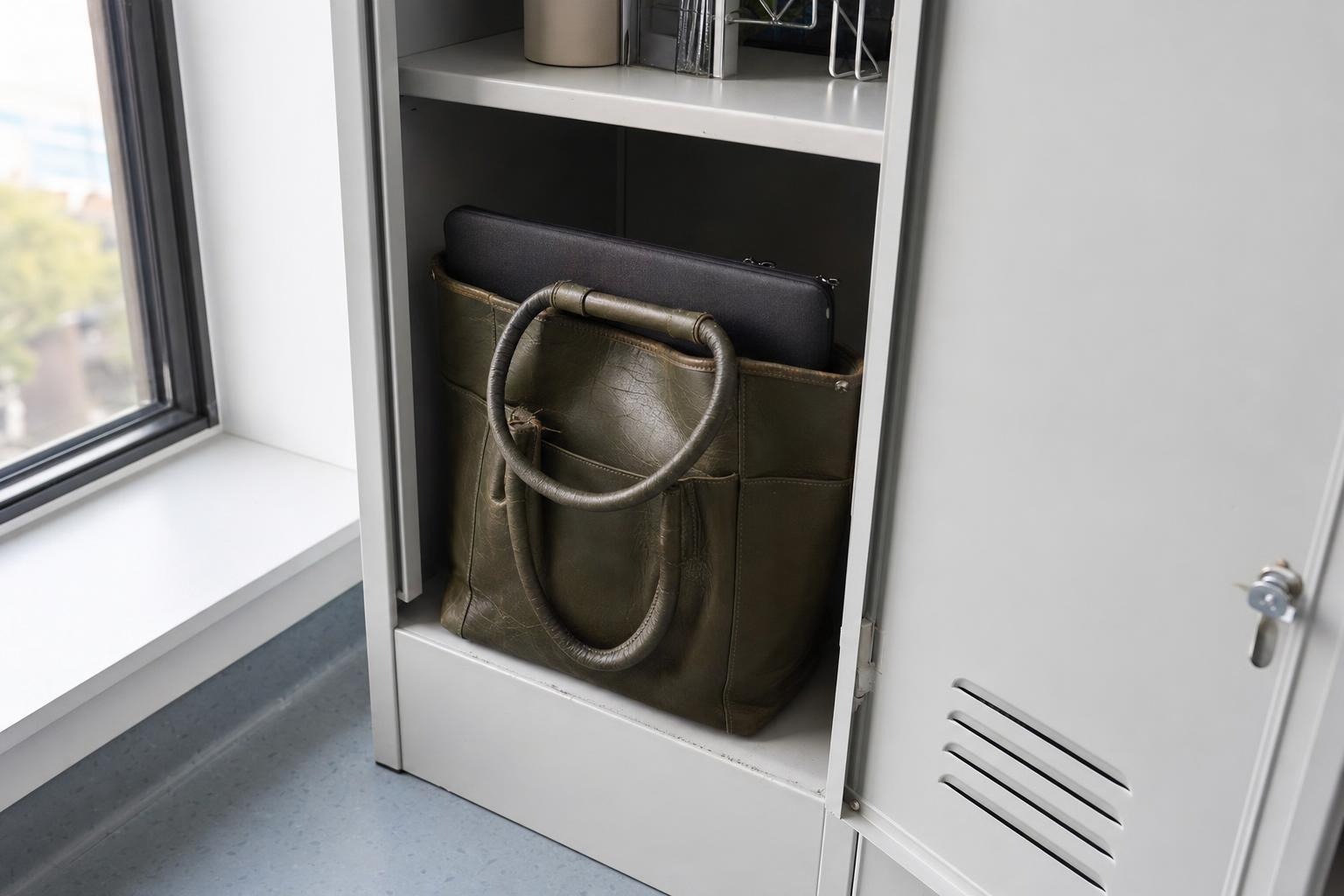
Finding your access card at the staff entrance shouldn’t mean digging past lunch, a tangled charger and a water bottle. The right pocket layout can make those everyday items easier to reach.
Leather appeals for its look and feel, but a sensible purchase depends on how the bag handles your daily load, your commute and your care habits. Start with the personal belongings you carry and the storage available at work.
Key Takeaways
- Measure your laptop, tablet and staff locker before you compare bags, and judge capacity by published dimensions rather than size labels.
- Test a loaded bag for strap comfort, weight and how easily the fastening opens and closes.
- Set a spending ceiling first, then compare features within it.
- Read the care instructions for the exact leather and make sure you can store the bag away from strong light, heat and humidity.
- Keep the bag for personal belongings and follow your employer’s rules for clinical items, storage and cleaning.
Choose a Size That Fits Your Day
Your own belongings are a better starting point than size labels or collection names.
Lay out your essentials. Put everything you carry on a normal shift day on a table: wallet, cell phone, keys, access card, lunch, a drink, a charger and perhaps a laptop or tablet. Ask your employer how work equipment and supplies must be carried, and don’t assume a personal bag is suitable for them.
Measure the items that matter. Measure your laptop or tablet inside its sleeve, since the sleeve affects the fit. Then check the space in your staff locker or cupboard and confirm that the loaded bag will fit with the door closed.
Compare dimensions, not size labels. The word tote covers very different shapes. The Le Smart L Tote in Olive is listed at 34 × 29 × 17 cm, while the Épure XS Tote in Black measures 19 × 15 × 7.5 cm.
Those figures are exterior measurements. They give you a starting point for comparing capacity, but they don’t confirm usable interior space or guarantee that your laptop will fit. Try your belongings inside where you can.
Test the Bag Before You Buy
A loaded test tells you more about carrying comfort and access than a product photo.
Try your normal load. If the store allows it, pack your essentials into the bag and wear the handles over the clothing you commute in. Walk around for a few minutes and notice whether the straps slip, whether the bag knocks your hip and whether you can reach your keys without setting it down.
Check the empty weight, too. Leather adds weight before you pack a single item, and that difference is easy to feel by the end of a long shift.
Check the opening and pockets. The Le Smart L Tote in Olive closes with a magnetic snap and has two flat interior pockets and one zip pocket. The Le Pliage Xtra L Shoulder bag in Matcha closes with a zipper and button instead.
A few quick checks help before you commit:
- Close the bag with your normal contents inside and make sure nothing blocks the fastening.
- Keep a sealed drink away from your electronics.
- Confirm whether the laptop space is padded, and test your own device and sleeve rather than relying on a screen-size label.
Set a Realistic Spending Limit
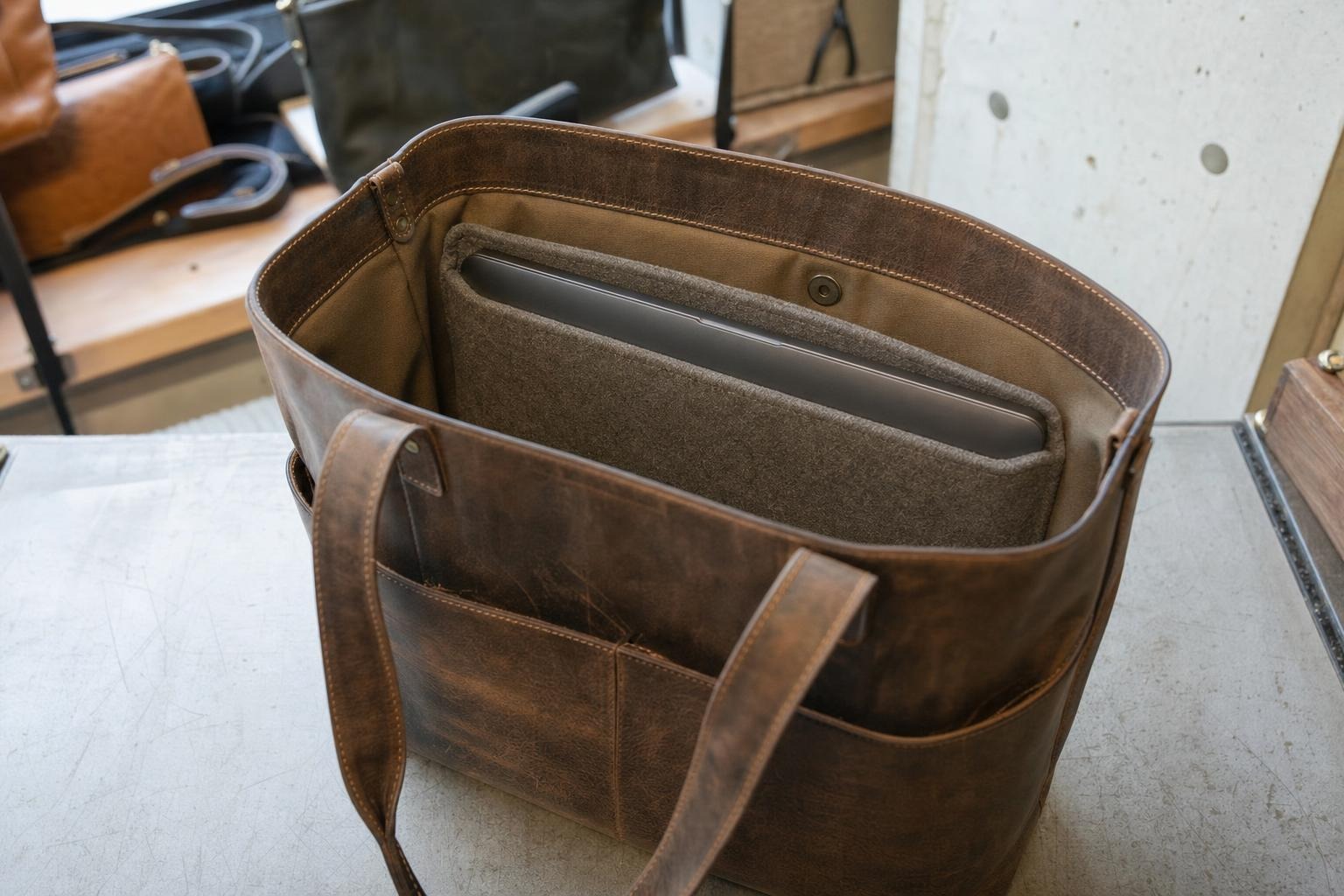
Decide your ceiling before browsing. A clear limit stops you paying for features your routine won’t use.
Price alone won’t tell you which bag fits, because capacity and features vary widely, even within one collection range. On 16 October 2026, the Épure XS Tote in Black was listed at RM2,775.00, while the larger Le Smart L Tote in Olive was RM4,900.00.
If a leather tote bag suits your daily load, Longchamp’s Malaysian leather selection lets you compare larger tote shapes with smaller handbags before checking each model’s dimensions and listed price. Confirm current prices, availability and collection options before ordering.
Make Sure the Care Routine Fits
Before buying, check whether you can follow the bag’s care instructions at home, during your commute and at work.
Read the instructions for that exact material. The maker’s care guidance notes that each leather is unique and advises caution before applying any product. For the Le Foulonné Backpack, the care instructions warn against contact with oily products and products containing solvents or alcohol, such as perfume.
That warning applies to the named model. Read your own bag’s care card before choosing a cleaner, and check separate care labels for inserts and organisers.
Plan where the bag will stay. The same guidance advises protecting bags from prolonged exposure to strong light, intense heat and humidity. Think about whether your bag would sit in a hot car boot or a damp changing room during a shift.
The care notes for the Le Foulonné Backpack also recommend storing it in a case after use, away from light, humidity and heat. If you can’t provide suitable storage at work, consider whether leather fits your routine at all.
Follow Your Workplace Rules
Treat this as a bag for your commute and personal belongings. Carry clinical supplies or equipment according to your employer’s requirements.
Routine leather care isn’t the same as disinfection. The CDC explains that cleaning removes germs, dirt and impurities from surfaces, while disinfecting products are chemicals that kill remaining germs.
That guidance doesn’t say which products are safe for a particular leather bag. Check the manufacturer’s instructions before using disinfectant wipes or other treatments.
Ask your employer about current accessory rules too, including where personal bags may be stored during a shift and whether any cleaning requirements apply. A wider look at hospital infection protection practices can help you see why those rules exist.
Choosing With Confidence
The best leather work bag is the one that fits your belongings, your locker and your care habits. Measure first, test with a real load and set your budget before you browse.
Then check the care card for the exact leather and confirm where the bag will live during your shift. With those basics covered, you can choose a bag that looks polished and keeps up with long days.
Frequently Asked Questions
What size leather bag do I need for work?
Start with what you carry on a normal shift and measure your laptop or tablet inside its sleeve. Compare published exterior dimensions, then test your own items inside, since exterior figures don’t confirm usable interior space.
Is a magnetic snap or a zip closure better?
It depends on your routine. A magnetic snap is quick to open, while a zipper can close the full opening. Test whichever you choose with your normal contents inside.
Can I use disinfectant wipes on a leather bag?
Check the manufacturer’s instructions first. Some leather care guidance warns against products containing solvents or alcohol, and routine leather care is not the same as disinfection.
How should I store a leather bag at work?
Keep it away from prolonged strong light, intense heat and humidity where you can. If your workplace storage can’t meet the bag’s care guidance, a different material may suit you better.
Can I carry clinical supplies in a personal leather bag?
Follow your employer’s requirements for carrying work equipment and supplies. Treat a personal leather bag as storage for your own belongings.




Leave a Reply