Key Takeaways
- Regular roof inspections catch problems early and minimize repair costs.
- Well-maintained gutters and proper drainage protect against water and ice damage.
- Proactive roofing care extends your roof’s lifespan and enhances home safety.
Table of Contents
- Regular Inspections
- Gutter Maintenance
- Addressing Leaks Promptly
- Proper Ventilation
- Trimming Overhanging Branches
- Removing Debris
- Preventing Ice Dams
- Seeking Professional Assistance
Maintaining your roof is crucial for protecting your home from the elements and ensuring your property retains its value. From inspecting for minor issues to keeping drainage systems clean, a well-cared-for roof can make all the difference in safety and longevity. For those who want to stay ahead of problems, seeking reliable roof repair solutions is an excellent starting point for long-term home protection.
By understanding the factors most often leading to roof deterioration, homeowners can proactively address minor issues before they escalate into costly repairs. These measures, paired with regular maintenance and timely professional assistance, offer the best defense against the unpredictability of weather and time. With each step, you reinforce your home’s first line of defense from above.
Regular Inspections
Scheduling routine roof inspections remains the most effective way to identify early warning signs of damage. Working with a professional roofing contractor ensures a thorough evaluation and helps catch issues that may be overlooked during a basic inspection. Assessing your roof at least once per year, particularly after storms or high winds, gives you the chance to catch loose or missing shingles, deteriorating flashing, and other problem areas. Missing these details can allow small gaps to expand and introduce water into your home, leading to rot or mold. According to Family Handyman, even homeowners with minimal DIY experience can benefit from scheduled inspections, as early detection is key to keeping repair costs low.
Gutter Maintenance
Clogged or damaged gutters can cause significant water buildup during rainstorms, increasing the risk of leaks and even foundation issues. It is important to remove leaves, branches, and other debris from gutters several times each year. Downspout extensions may help ensure that water is directed away from your property’s foundation rather than pooling along the perimeter. Regular attention prevents costly water-related problems and helps maintain your home’s overall structural integrity.
Addressing Leaks Promptly
Even the smallest leaks can drastically increase the risk of costly repairs down the road. Water seeps through compromised areas and spreads to structural components such as insulation and wood framing, increasing the likelihood of mold, mildew, and rot. Quick action preserves the strength of your roof and home, and limits secondary expenses.
Proper Ventilation
Effective attic ventilation balances moisture and temperature, protecting roofing materials from premature aging. Without it, humid air can collect in the attic, leading to mold growth, weakened decking, and shingle deterioration. Installing ridge vents, soffit vents, or other mechanical systems ensures that air flow remains consistent. Proper ventilation also helps reduce heating and cooling costs by regulating attic temperature year-round.
Trimming Overhanging Branches
Trees provide shade and curb appeal, but branches that overhang or touch your roof pose significant risks. During windstorms, these branches can scrape shingles or even penetrate the roofing material, causing leaks. Additionally, fallen leaves and twigs may increase the chance of gutter clogs. Regularly trimming trees near your house prevents these issues and lowers the likelihood of roof abrasion and blocked drainage.
Removing Debris
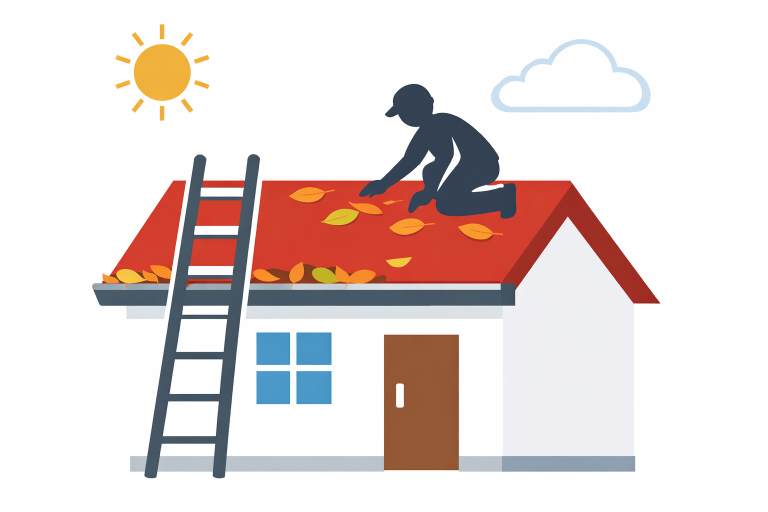
Accumulated debris traps moisture against the roof’s surface, which can accelerate deterioration and increase the risk of leaks. After severe weather events or during seasonal cleanups, check your roof for piles of leaves, pine needles, and other organic material. Removing debris ensures that water naturally flows away and that moss or algae does not take root.
Preventing Ice Dams
Homeowners in colder climates must be aware of ice dams. When heat from inside the home causes snow to melt and refreeze along the roof edges, ice dams form, preventing proper drainage. The trapped water may back up under shingles, causing leaks and water damage. Strategies to prevent ice dams include optimizing attic insulation and ventilation, and cleaning gutters before winter sets in.
Seeking Professional Assistance
Many roof issues are manageable with regular maintenance, but significant sagging, widespread leaks, or storm damage call for professional help. Experienced contractors bring the tools and expertise needed to perform thorough repairs, often spotting problems that are easy to miss without specialized training. Relying on trusted professionals ensures the highest standards of workmanship and peace of mind for your home’s future.
Final Thoughts
By proactively managing inspections, cleaning, repairs, and professional consultations, homeowners can enjoy greater comfort and security. These steps not only protect the home’s value but also create a safer living environment for your family year after year.


Leave a Reply