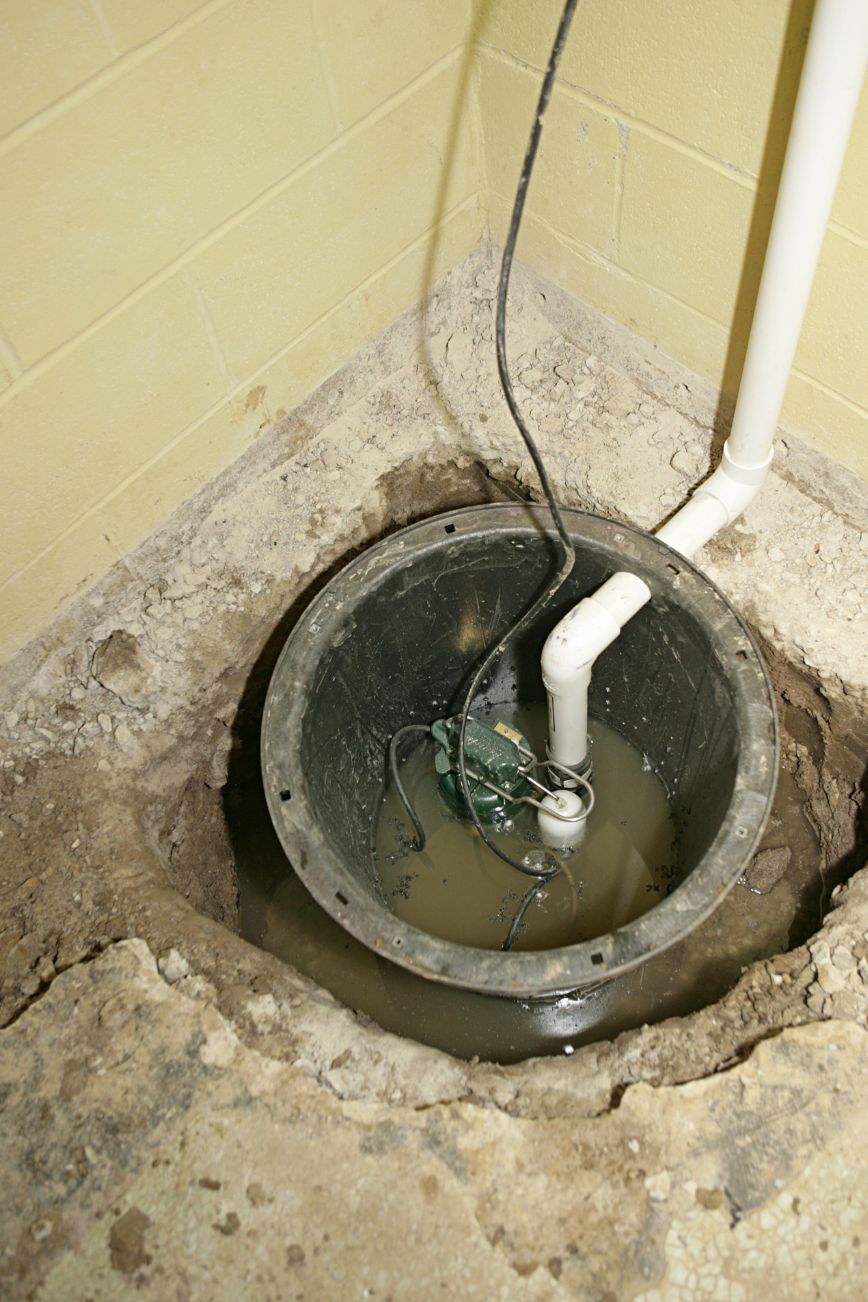
It’s 2 a.m. during the first big thaw of March. Rain has been falling on frozen ground all day, and somewhere under the basement floor the water table is rising toward the slab. In one house on the street, a small motor kicks on, hums for twenty seconds, and shuts off, and does it again every few minutes until morning. Nobody wakes up. In the house next door, there’s no pump, and by 6 a.m. There’s an inch of water across the finished basement floor, soaking the carpet, the drywall, and the boxes that were supposed to be safe down there.
The difference between those two houses is a sump pump, a piece of equipment most homeowners never think about until the night it matters. Here’s what it does, how it protects a basement, and how to make sure it’s ready when the water comes.
Basement Flooding Is Expensive
A wet basement isn’t a nuisance; it’s one of the costliest things that can happen to a house. According to the Insurance Bureau of Canada, as reported by Insurance Business, the average cost of a basement flood claim in Canada is about $43,000, and the frequency of basement flooding has been rising with heavier rainfall and aging municipal infrastructure.
A sump pump system costs a small fraction of that and runs for years. The math isn’t close.
What a Sump Pump Does
Water that collects around a foundation, from rain, snowmelt, or a high water table, pushes against the walls and floor. A sump system gives that water somewhere to go. Weeping tile or a drainage channel around the foundation collects it and directs it into a pit, the sump, at the lowest point of the basement. When water in the pit reaches a set level, a float switch turns on the pump, which pushes the water up a discharge pipe and out of the house, well away from the foundation.
In effect, the pump lowers the water table under the slab, relieving the hydrostatic pressure that would otherwise force water through cracks, joints, and the floor itself.
How It Protects the Basement
A working sump system prevents a chain of problems:
- Standing water and flooding during storms and thaws
- Seepage through the floor and wall joints caused by pressure beneath the slab
- Mould and mildew that follow persistent dampness
- Damage to finished spaces, flooring, drywall, and stored belongings
- Foundation stress from water pressure over years
- Insurance headaches, since many policies expect reasonable prevention
For a finished basement, a home office, or a rental suite, it’s the difference between usable space and a liability.
Types of Sump Pumps
- Submersible pumps sit inside the pit, sealed and quiet, and handle higher volumes. They’re the standard recommendation for most homes
- Pedestal pumps have the motor above the pit; they’re easier to service but louder and less powerful
- Battery backup pumps run when the power fails, which is exactly when storms are worst; some models send an alert when they activate
- Water-powered backups use municipal water pressure as a fail-safe where it’s available
- Combination systems pair a primary submersible pump with a battery backup in one pit
The right choice depends on how much water the house sees, how often the power drops, and whether anyone is home to notice a problem.
Signs It’s Time to Install or Replace
- No sump pump at all in a home with any history of dampness
- A pump that’s 7 to 10 years old, regardless of how it looks
- A pump that runs constantly, cycles rapidly, or makes grinding or rattling noises
- Visible rust, a stuck float, or a pit that fills with debris
- Water in the basement despite a pump that seems to work
- No battery backup in an area with storm-related outages
- A discharge line that freezes, clogs, or ends too close to the foundation
A pump that fails is worse than no pump, because the homeowner stops worrying.
Getting the Installation Right
A sump system is only as good as its sizing, placement, and discharge. The pit has to be at the true low point and connected to proper drainage; the pump has to be sized for the volume; the check valve has to stop water flowing back; and the discharge has to carry water far enough from the house that it doesn’t simply return. A home that has already had seepage often needs the drainage and waterproofing assessed at the same time, since a pump can’t fix water that’s coming through a cracked wall.
That’s why it helps to have Sump Pump Installation and Repair in Toronto handled by a company that also does waterproofing and foundation work, so the whole water path gets looked at. Supreme Basement Solutions, for example, installs submersible pumps and battery backup systems, replaces aging units, and services pits, float switches, and check valves, with a free assessment and itemized plan before any work starts. Whoever does the work, ask how the pump was sized, where the discharge goes, and what happens when the power fails.
Maintenance That Keeps It Ready
A sump pump needs a few minutes of attention a few times a year:
- Test it by pouring a bucket of water into the pit and watching the float trigger the pump and the water leave
- Clean the pit of silt, gravel, and debris that can jam the float or intake
- Check the discharge line for clogs, freezing, and proper distance from the house
- Test the backup battery and replace it on the manufacturer’s schedule, usually every few years
- Listen for new noises, longer run times, or rapid cycling
- Schedule a professional check before spring thaw and autumn rains
Beyond the Pump
A sump pump is one part of keeping a basement dry. The rest of the system matters too:
- Gutters and downspouts that discharge well away from the foundation
- Grading that slopes away from the house
- Sealed foundation cracks and, where needed, exterior or interior waterproofing
- A backwater valve to stop sewer backup, a separate risk the sump doesn’t address
- A dehumidifier to manage ambient moisture
Together, these turn a basement from the wettest room in the house into one of the most useful.
Conclusion
Sump pumps keep basements dry and protected by collecting the water that gathers around a foundation and moving it out of the house before pressure forces it through the floor and walls, preventing flooding, seepage, mould, and damage to everything stored below grade.
A properly sized submersible pump with a battery backup, installed as part of a complete drainage plan and tested a few times a year, is one of the most cost-effective protections a home can have. With the average basement flood costing tens of thousands of dollars, the small motor humming under the floor at 2 a.m. is doing some of the most valuable work in the house.



Leave a Reply