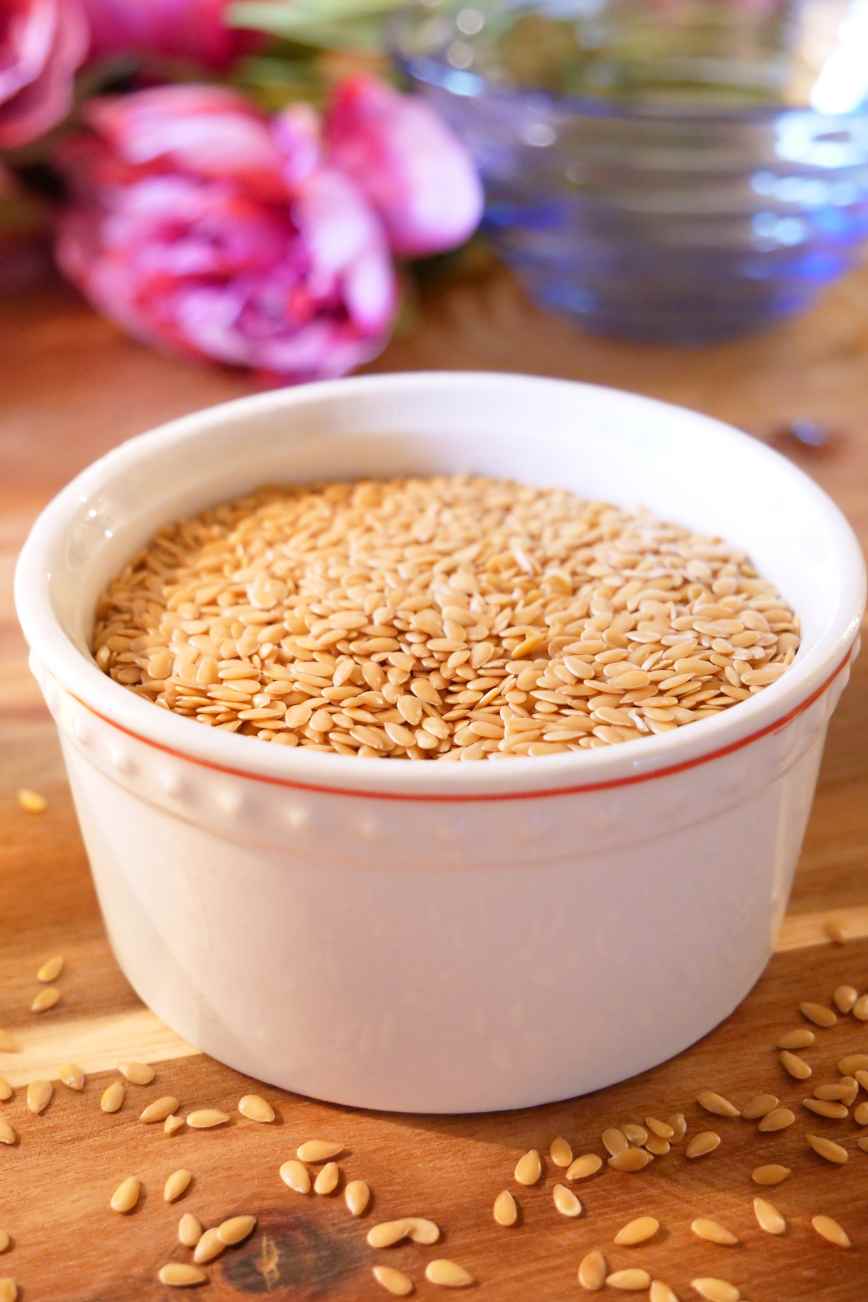
Sesame seeds are tiny but incredibly nutrient-dense — packed with calcium, iron, healthy fats, and unique lignans like sesamin. Yet most people either skip them or eat them wrong. Understanding how to eat sesame seeds properly can make a real difference in how well your body absorbs their nutrients.
Is It Okay to Eat Raw Sesame Seeds?
Yes, raw sesame seeds are safe. But here’s the catch — they contain phytic acid, an antinutrient that blocks mineral absorption. Toasting or soaking reduces phytates significantly. A 2009 study in the Journal of Food Science showed that roasting at 180°C for 20 minutes cut phytic acid by up to 20%.
Raw or Roasted: Which Is Better?
Roasted wins for flavor and digestibility. Toast them in a dry skillet over medium heat for 3–4 minutes, stirring constantly. They’re done when golden and fragrant. Be careful though — they burn fast.
One crucial detail most people miss: whole seeds often pass through your gut undigested. Grinding them right before eating boosts nutrient absorption dramatically.
Which Time Is Best to Eat Sesame Seeds?
Morning works best. Some Ayurvedic practitioners recommend a tablespoon of sesame oil or ground seeds on an empty stomach for better nutrient uptake. Pair them with breakfast — oatmeal, yogurt, or smoothies.
How to Eat Sesame Seeds for Specific Goals
For calcium: Choose unhulled seeds. They contain roughly 975 mg of calcium per 100g — nearly ten times more than hulled ones. Black sesame seeds are especially rich here.
For weight loss: Stick to 1–2 tablespoons daily. The fiber and protein keep you full, but at 573 calories per 100g, overdoing it backfires.
For constipation: Mix ground sesame with warm water or milk. The oil content acts as a mild natural laxative.
For cholesterol: A 2012 study published in the Journal of Medicinal Food found that consuming 40g of sesame daily for 60 days reduced LDL cholesterol by around 10% in participants.
Quick Ways to Add Sesame to Your Diet
- Sprinkle toasted seeds on salads, stir-fries, or rice bowls
- Blend into smoothies or mix into yogurt
- Make homemade tahini (just blend with a bit of oil)
- Use as crust for fish, chicken, or tofu
- Add to baking — bread, muffins, energy bars
- Drizzle sesame oil over soups or noodles
FAQ
Do Sesame Seeds Lower LDL?
Research suggests yes. The lignans sesamin and sesamolin have antioxidant properties that may help reduce LDL oxidation. Results vary, but consistent intake of 2–3 tablespoons shows promise in studies.
How to Eat Sesame Seeds With Milk?
Soak a tablespoon of seeds overnight, grind them, and stir into warm milk. Some add honey. This is a traditional method for boosting calcium intake, especially popular in Indian households.
White vs Black Sesame — What’s the Difference?
Black seeds have a stronger, slightly bitter taste and higher antioxidant content. White (hulled) seeds are milder, better for baking. For maximum minerals, go unhulled.
Final Thoughts
Sesame seeds are one of those foods that punch way above their weight. Grind them, toast them, and don’t exceed 2–3 tablespoons a day. If you have a sesame allergy — and it’s now recognized as one of the top 9 allergens by the FDA — avoid them entirely. For everyone else, even small daily amounts can support bone health, heart function and overall nutrition.





Leave a Reply