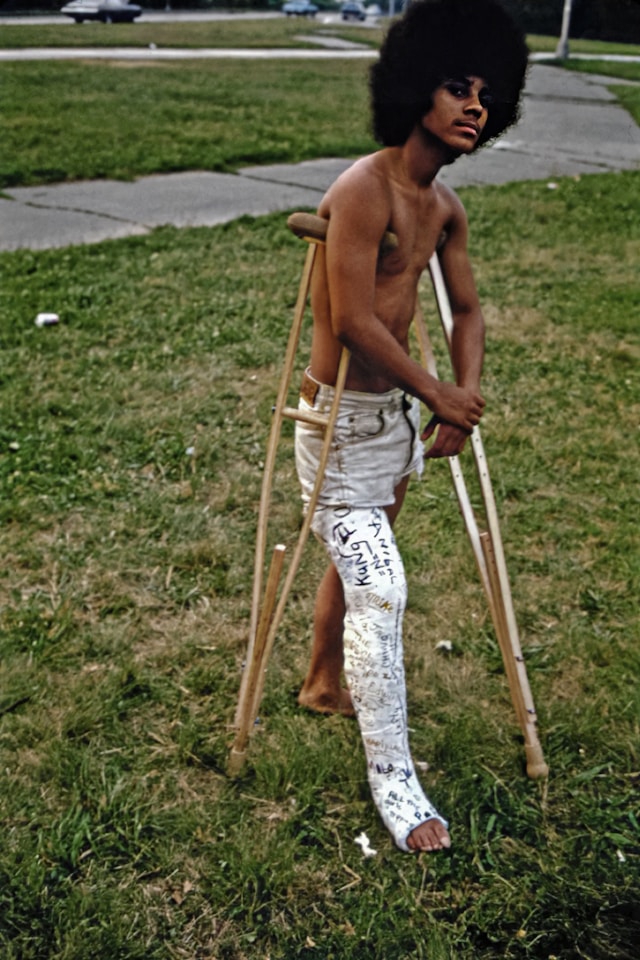
So, you’ve had an accident or illness that’s changed how you move, live, or even work. Suddenly, the world feels different. You may be overwhelmed by the aftermath of an injury, wondering how to handle the physical, mental, and financial pieces of recovery all at once. Here’s the thing: you don’t need to do everything perfectly right now. What you do need are a few key modifications that help you stay independent while your body heals.
Make Your Home Work for You
The first place you’ll notice challenges is at home. Stairs that used to be easy now feel like mountains. Showers may suddenly seem unsafe. Beds and couches may be too low or too high to get in and out of without pain.
This is where making small but smart changes matters. Stair ramps or stair chairs keep you moving between floors without risking another fall.
Adding handrails in hallways or bathrooms can help you achieve the balance you might be missing right now. If standing for a shower feels impossible, a shower seat or walk-in tub can be a lifesaver.
And don’t underestimate the value of adjusting your bed: A handicap-friendly bed, even if temporary, can make resting and getting up much easier.
These upgrades don’t have to last forever, but they give you dignity and comfort during recovery.
Keep Your Independence on the Go
Getting out of the house is just as important as moving around inside it. Fresh air, medical appointments, or even a quick run to the store help you feel like yourself again. The challenge is making those outings safe and manageable.
That’s where accessibility tools come in. A parking permit assessment is a game-changer when you’re recovering. Having closer access to entrances means less pain and fatigue, which encourages you to keep engaging with the world outside your home. You might also look into accessibility signals, like the sunflower lanyard that indicates a hidden disability, which can quietly let others know you may need extra support. Staying mobile doesn’t mean pushing your limits; it means using the tools available so you don’t lose confidence along the way.
Adjust Your Work Life
For many people, recovery eventually brings up the question of returning to work. This is where planning ahead really helps. Talk to your doctor about what accommodations you might need. Reduced hours, the ability to work from home, or taking extra breaks during the day could all make a big difference.
Sometimes, the solution is about equipment. An ergonomic desk, chair, or even a footrest can prevent strain if you’re sitting for long periods. If your role involves more physical tasks, you may need temporary reassignment to lighter duties. Be open with your employer or HR department about what you can and can’t manage. The more specific you are, the easier it is for them to support you. Remember, these arrangements are about protecting your progress so you can get back to full strength sooner.
Recovery is about adapting, not just enduring. By making adjustments at home, using the right tools outside, and setting up supportive work arrangements, you give yourself the best chance to heal while holding on to your independence. It may not be the life you had before your injury (at least not yet) but with the right modifications, it can still be a life filled with strength and joy.
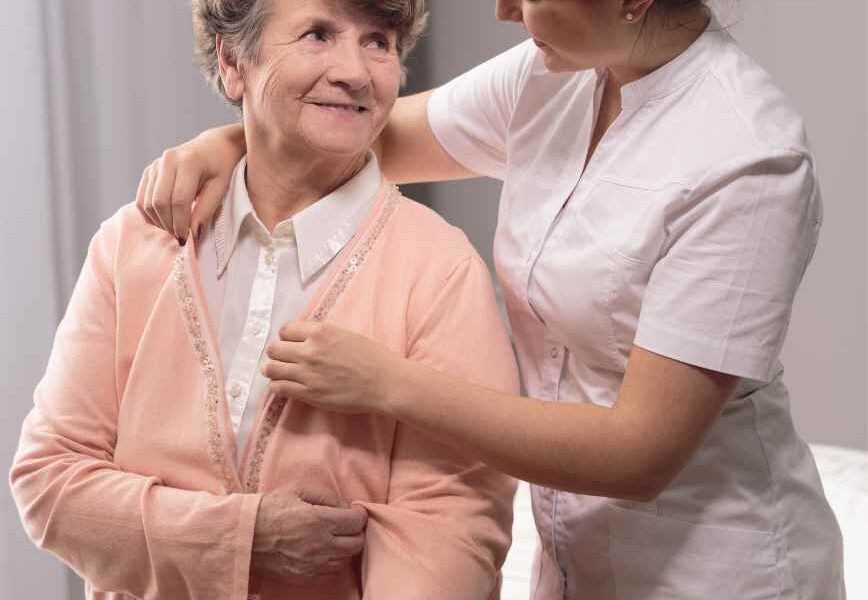

That photo reminds me of Woodstock. Quite the helpful tips. These are also helpful for the aging. As I get older, I am adjusting to things differently. I just couldn’t imagine being on crutches.
We RV with my 82 year mom who recently fell down stairs. We already had some things in place like walker and handles in bathrooms. However, we need a handicap placard.
I broke a toe this July, so this is useful!