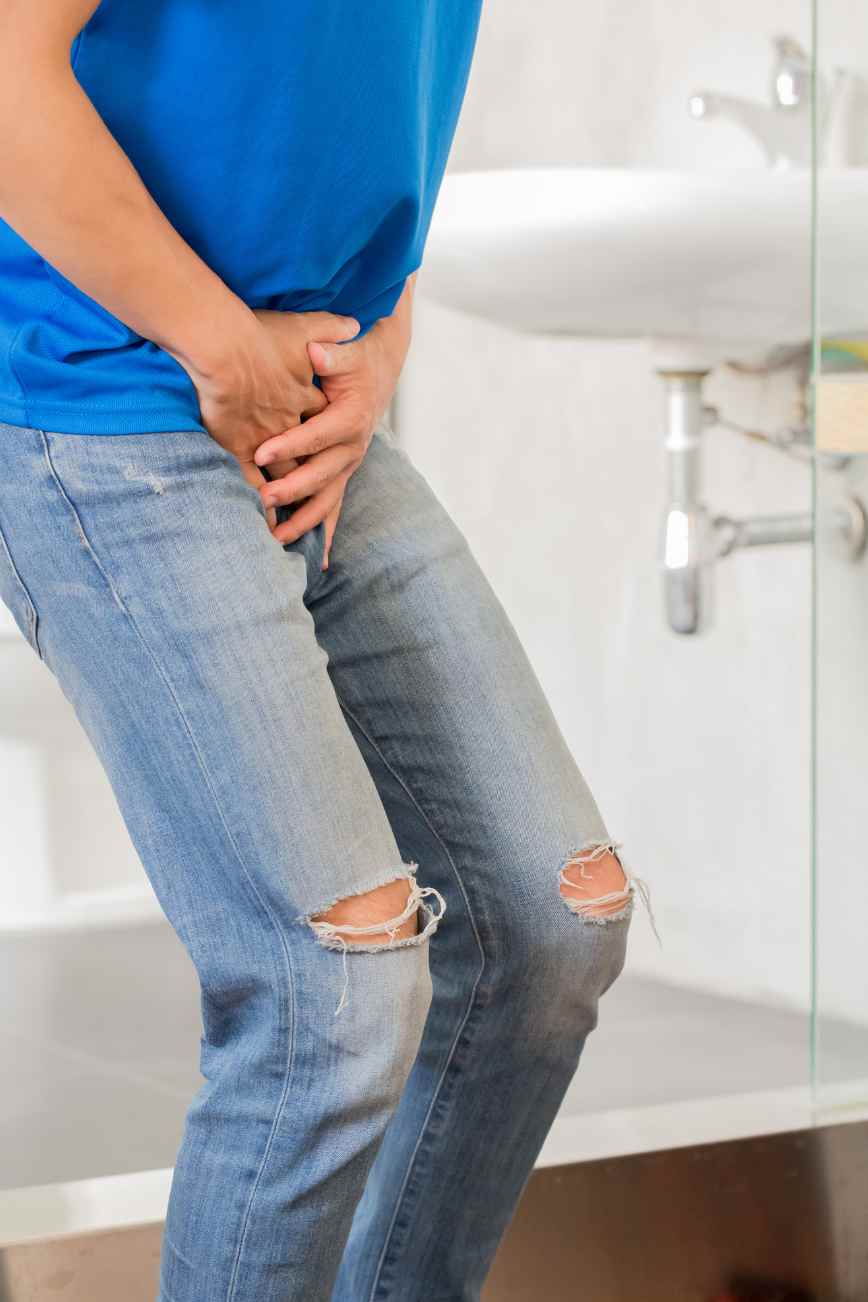
A sudden need to urinate can interrupt meetings, journeys, meals, and sleep. When it happens often, you may start checking where the nearest toilet is, avoiding long trips, or drinking less before leaving home. These habits may reduce worry for a while, but they do not explain why your bladder routine has changed.
An overactive bladder often causes a strong urge to urinate, frequent toilet visits, and waking up during the night to use the toilet. Urinary incontinence is when urine leaks without your control. Leakage may happen after a sudden urge or during activities such as coughing, laughing, lifting, or exercising. Understanding the difference is important because each problem can have different causes and treatment options.
Keeping a bladder diary can help you record how often you urinate, when leaks occur, and what you drink each day. A healthcare professional can review these patterns, identify possible causes, and recommend the most suitable treatment. Treatment may include bladder training, pelvic floor exercises, medication, or other procedures. Seek prompt medical advice if you also notice pain, burning, fever, difficulty urinating, or blood in your urine.
Everyday Habits That Influence Bladder Control
Frequent caffeine intake throughout the day can quietly affect how the bladder behaves. For example, someone who drinks several cups of coffee during work hours may notice a stronger or more sudden urge to urinate. Caffeine can stimulate the bladder, making it feel full sooner than it actually is.
Delaying bathroom visits can also play a role. A person who often ignores the urge to go because they are busy may unintentionally train their bladder to hold urine for longer than it should. Over time, this can lead to stronger urges or reduced bladder control, especially when the bladder finally signals the need to empty.
Even small hydration patterns can make a difference. Drinking very little during the day and then consuming a large amount of fluid in the evening may lead to nighttime urgency. This uneven pattern can disrupt the body’s natural rhythm and make symptoms more noticeable.
Strengthening the Body’s Natural Control
Pelvic Floor Awareness and Support
The pelvic floor muscles help control the release of urine. When these muscles are not used regularly or become weak, it may become harder to manage sudden urges or prevent leaks. Building awareness of these muscles can make a noticeable difference over time.
For instance, a person might begin by identifying the muscles used to stop urine flow and then practicing gentle tightening exercises while sitting at a desk or watching television. Doing this consistently, even for a few minutes each day, can improve control. The goal is not intensity but regular practice that becomes part of a daily routine.
Practical Adjustments for Daily Comfort
Spacing out fluid intake during the day can support better bladder control. Instead of drinking large amounts at once, a person can take smaller sips throughout the day. For example, keeping a water bottle nearby and drinking gradually during work hours can help the bladder adjust more comfortably.
Creating a simple bathroom schedule can also reduce sudden urgency. Setting regular times to use the restroom, such as every two to three hours, can help the bladder follow a more predictable pattern. This approach may reduce the likelihood of unexpected urges during important activities.
The Impact of Small, Consistent Changes
Small adjustments often lead to steady improvements in daily comfort. With better awareness of habits and body signals, people may notice fewer interruptions during work, travel, or rest. The need to constantly plan around restroom access can lessen over time, allowing more freedom in daily routines.
Understanding the difference between an overactive bladder and urinary incontinence is key to managing both conditions effectively. An overactive bladder mainly involves a sudden and frequent urge to urinate, while it refers to the loss of bladder control that leads to leakage. Recognizing these differences helps guide the right approach, whether it involves lifestyle changes, pelvic floor exercises, or professional care.





Leave a Reply