Key Takeaways
- Clear aligners provide a discreet solution for teeth straightening, preferred by many patients over traditional metal braces.
- Removability supports better oral hygiene and flexibility during eating and social gatherings.
- Mild to moderate alignment issues can often be effectively corrected with clear aligners.
- Success depends on patient compliance with daily wearing schedules.
- An initial consultation with a dental professional is essential to determine individual suitability and expected results.
Clear aligners have changed the landscape of orthodontic care, ushering in an era where straightening teeth is both convenient and discreet. These innovative systems enable patients to address dental misalignments without the visibility or discomfort of traditional braces. If you’ve considered clear aligner treatment, it may help to understand not only how aligners work but also their impact on dental health and lifestyle.
Unlike fixed appliances, clear aligners can be removed for meals or while cleaning your teeth. This flexibility, combined with their transparent appearance, has made clear aligners a popular option, especially among adults and image-conscious teens. Their near-invisible design means that only those closest to you are likely to notice you are undergoing orthodontic treatment.
Furthermore, advances in digital dental technology have made it easier than ever for orthodontists to create precise treatment plans, providing patients with a clear path from start to finish. While clear aligners are not universally suitable for every orthodontic need, their advantages have spurred growing interest among dental professionals and patients alike.
With the rise in demand, many questions have also surfaced about who makes a good candidate for clear aligners and what limitations they may have. Understanding these factors is crucial for anyone considering orthodontic correction. For a broader perspective on evolving dental technology, you can explore additional insights from the New York Times dental health section.
Understanding Clear Aligners
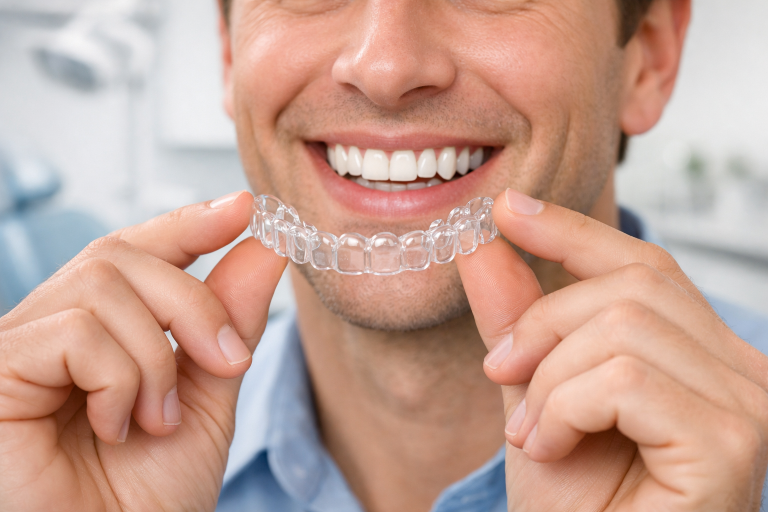
Clear aligners use a series of custom, transparent trays to guide teeth into better alignment gradually. Each set of trays is designed to move teeth incrementally, following a digital treatment plan mapped out by your orthodontist. Unlike metal braces, which are bonded to the teeth, clear aligners sit flush over your teeth and are hardly noticeable to others.
This treatment appeals to anyone seeking minimal lifestyle disruption and a less conspicuous way to improve their smile. The ability to remove the trays also encourages consistent and thorough brushing and flossing, which is vital for long-term oral health.
Benefits of Choosing Clear Aligners
People are drawn to clear aligners for several reasons:
- Discreet wear: The materials’ transparency makes aligners very hard to detect in everyday interactions.
- Removable: Patients can take the trays out for meals, special occasions, and when brushing or flossing, making oral hygiene easier to maintain.
- Gentle comfort: The lack of wires and brackets means less irritation for the cheeks and gums.
- Accurate outcomes: Modern 3D scanning and planning let your provider map out each stage of your alignment, often allowing you to see a preview of your final results.
Who Is a Good Candidate?
Clear aligners are particularly effective for individuals with mild or moderate misalignment concerns, such as crowded teeth, small gaps, or minor bite problems. Severe orthodontic problems, including significant bite corrections or large tooth rotations, may require traditional or more advanced options for optimal results.
A dentist or orthodontist will conduct a thorough examination, including physical exams, impressions, or digital scans, to determine whether you are an ideal candidate for clear aligners. Their expertise is especially important, as improper use of aligners can sometimes result in less predictable outcomes.
The Treatment Process
- Consultation: The process begins with a detailed evaluation and discussion of your dental goals.
- Digital scans or impressions: Technology is used to map your dental anatomy, producing a 3D digital model of your teeth.
- Custom tray fabrication: A laboratory creates a sequence of aligners tailored to your personal treatment plan.
- Daily wear: Each aligner tray is worn 20 to 22 hours daily, with a new tray typically switched every 1 to 2 weeks.
- Progress checks: Regular appointments help track movement, answer questions, and make adjustments to your plan if needed.
Compliance and Effectiveness
Success with clear aligners depends greatly on how consistently patients wear their trays. Wearing aligners for the prescribed amount of time daily ensures that each stage of the plan progresses as intended. Studies indicate that for mild to moderate alignment needs, clear aligners are highly effective in achieving favorable outcomes. However, more advanced cases may still benefit from conventional braces or other interventions. For more scientific discussion, see Healthline’s guide on clear aligners.
Potential Limitations
- Clear aligners are less suited to treating severe misalignment issues or complex bite problems.
- Success depends on strict adherence to the wearing schedule; even minor lapses can hinder results.
- Some users experience mild discomfort with new trays, typically lasting only a few days as the mouth adjusts.
Consulting with a Dental Professional
No matter your situation, consulting with a qualified dental provider is an essential step before pursuing clear aligner therapy. Your provider can offer predictions about treatment duration, outcomes, and whether this approach aligns with your needs and oral health history. This personalized guidance ensures your journey toward straighter teeth is both effective and aligned with your expectations.
Clear aligners have redefined orthodontic options by offering an unobtrusive, customizable, and comfortable way to achieve a healthier, more appealing smile. As with all medical treatments, informed decision-making, grounded in advice from experienced professionals, is key to success.




Leave a Reply