Key Takeaways
- The list price is only one part of the true cost of owning and preparing land.
- Zoning, water, access, utilities, and wastewater options should match the intended use.
- A visible road or nearby utility line does not guarantee legal access or affordable service.
- Written confirmation from the proper local agency is more reliable than listing language.
- Due diligence can reveal whether to proceed, renegotiate, or walk away.
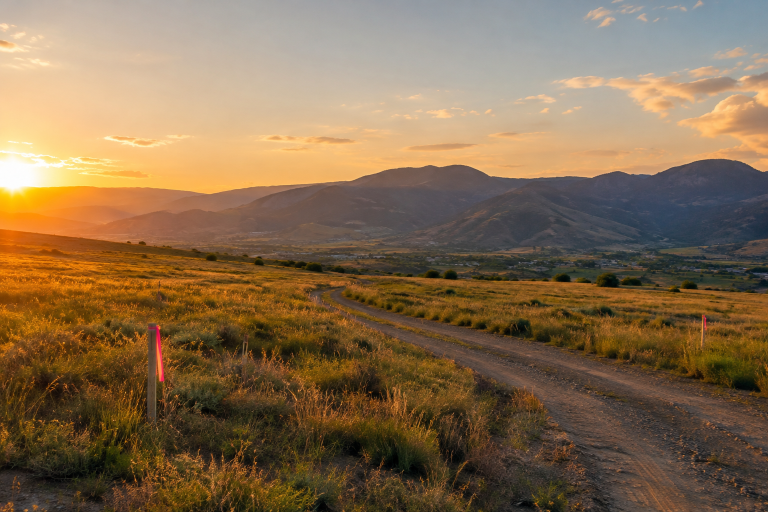
Buying vacant land near Salem can create an appealing path to a custom home, small acreage, recreation space, or a long-term investment. But a view of the mountains or a low per-acre price is only the beginning. Salem UT real estate experts Bybee + Co Realty LLC is a locally owned Utah real estate brokerage that serves Utah, Juab, Salt Lake, and Sevier counties, with experience in homes, land, and investment properties. Their local market perspective can help buyers ask better questions before committing to a parcel.
Land should be evaluated as both a real estate purchase and a future project. A parcel may look affordable until road work, power extensions, water service, septic installation, grading, permits, and holding costs are added to the plan.
Table of Contents
- Define the Goal
- Confirm Zoning
- Verify Water
- Check Access and Utilities
- Review Septic and Site Conditions
- Review Title and Restrictions
- Build a Full Budget
- Follow a Due Diligence Process
1. Define the Property Goal
Start with what the property must do. A parcel suitable for seasonal recreation may not support a year-round residence. Write down whether the goal is a primary home, cabin, manufactured home, agricultural use, animals, storage, investment holding, or future subdivision. Every later question should be tested against that goal.
2. Confirm Zoning and Allowed Uses
Identify whether Salem City, another municipality, or Utah County controls the parcel. Ask the planning department for the current zoning designation and whether the intended use is permitted, conditional, or prohibited. Review minimum lot size, setbacks, building height, lot coverage, accessory buildings, animal rules, guest-home rules, and any subdivision or development agreement requirements.
Get important answers in writing. A listing description may be useful for starting research, but it is not a substitute for a planning department determination or a building permit review.
3. Verify Water Rights and Water Service
“Water included” can mean very different things. It could refer to a culinary water connection, irrigation shares, an existing well, or a water right that must be transferred separately. Utah treats water rights as rights to beneficially use water, with records that may identify the source, quantity, priority date, diversion point, and place of use. Buyers can review Utah water-right information before assuming that a parcel has water available for a planned home or other use.
- Ask whether a water connection is installed, available, or merely nearby.
- Confirm connection fees, impact fees, meter costs, and extension requirements.
- Verify the water right number, ownership, approved use, and transfer process.
- Ask whether irrigation shares are included in the purchase contract.
4. Check Legal Access, Roads, and Utilities
Do not confuse a drivable route with a legal right to use it. Confirm public-road frontage or a recorded access easement, then ask who maintains the road, whether it is plowed, and whether emergency vehicles and construction equipment can reach the building area. Steep grades, seasonal conditions, drainage crossings, and bridge limits can affect a project long after closing.
Contact utility providers directly about electricity, gas or propane, internet, cellular coverage, water, sewer, trash service, and mail delivery. Service that is “at the road” may still require a buyer to pay for trenching, transformers, meters, line extensions, or easements.
5. Review Septic, Soil, Drainage, and Hazards
Where public sewer is unavailable, septic feasibility can determine whether a homesite is practical. Local health authorities typically administer permits and site requirements. The EPA’s septic system guidance notes that soil conditions, slope, lot size, local regulations, and home size can influence system design.
Ask whether a soil evaluation or percolation test is needed, where the primary and replacement drainfield areas would be located, and what setbacks apply. Walk the property and look for slope, exposed rock, erosion, standing water, drainage channels, fill, and wildfire exposure. A survey or geotechnical review may be worthwhile when the building area is uncertain.
6. Review Title, Easements, Taxes, and Restrictions
Order and read the title report before the due diligence deadline. It can identify recorded access, utility, drainage, conservation, or other easements that limit where a buyer can build. Also review property taxes, assessments, liens, boundary questions, homeowners association rules, covenants, and exclusions involving mineral, grazing, timber, or water rights.
7. Build a Full Land Purchase Budget
Compare parcels using total project cost, not price per acre alone. Build a budget that includes:
- Purchase price, earnest money, closing costs, and loan expenses.
- Survey, title review, water research, soil testing, and inspections.
- Utility connections, line extensions, trenching, meters, and permits.
- Road improvements, grading, excavation, drainage work, and retaining needs.
- Well, water shares, septic installation, or sewer connection costs.
- Property taxes, insurance, maintenance, and financing costs before construction.
Leave room for a contingency reserve. Site work often reveals conditions that are not visible in a listing photo or during a short showing.
8. Follow a Step-by-Step Due Diligence Process
- Document the intended use and nonnegotiable property requirements.
- Confirm the governing city or county, planning office, health department, and utility providers.
- Verify zoning, setbacks, density, and building requirements.
- Research water connections, wells, shares, and water rights.
- Confirm legal access, maintenance duties, and year-round road conditions.
- Verify sewer availability or begin research on septic and soil.
- Inspect the land for usable building area, drainage, slope, and hazards.
- Review title documents, easements, restrictions, taxes, and exclusions.
- Price every known cost, then decide whether to proceed, renegotiate, or cancel under the contract terms.
Common Questions Buyers Ask
Is cheap land always a good investment?
No. A low price may reflect access limits, missing utilities, difficult terrain, uncertain water, zoning restrictions, or a limited buyer pool. The better comparison is whether the parcel can support the intended use at a total cost that makes sense.
Can a buyer build on any lot with road access?
No. Legal access is only one requirement. Zoning, setbacks, wastewater, water, soils, utilities, permits, and recorded restrictions can all affect whether construction is possible.
When should a buyer walk away?
Consider walking away when the parcel cannot support the intended use, important documents are unavailable, access is unresolved, approvals appear unlikely, or the budget works only under optimistic assumptions.
Final Thoughts
Land near Salem, Utah can offer privacy, flexibility, and room to build around a personal vision. The strongest purchases begin with careful verification of use, water, access, utilities, septic options, site conditions, title, and total cost. Taking time before closing can prevent a costly surprise after it.





Leave a Reply