Key Takeaways
- Your home’s water system includes main lines, shut-off valves, meters, and branch pipes that all work together to deliver water safely.
- Knowing where key components are located helps you respond quickly during leaks or emergencies.
- Different pipe materials (copper, PEX, PVC, galvanized steel) vary in durability, cost, and long-term performance.
- Early warning signs such as low pressure, rising water bills, or discolored water often indicate hidden plumbing issues.
- Routine maintenance, like checking visible pipes and insulating exposed lines, helps prevent costly damage.
- Professional inspections are important for detecting hidden leaks and maintaining long-term plumbing health.
Understanding how water moves through your home is essential to keeping your plumbing in top shape. If you’ve just moved in or never given much thought to your pipes, understanding the basics can help you prevent costly problems and take better care of your property. Whether you handle basic maintenance yourself or rely on local professionals like sewer repair specialists in St. George, UT, this guide walks you through what to know about your home’s water lines.
Your plumbing is like the circulatory system of your house. By learning about the layout, materials, and warning signs of possible trouble, you’ll be better prepared to handle small issues as they arise and know when to call in the pros. Proactive homeowners save money and stress by identifying potential problems before they escalate. Regular checks and understanding the system can turn major disruptions into manageable fixes.
Components of Your Home’s Water Supply System
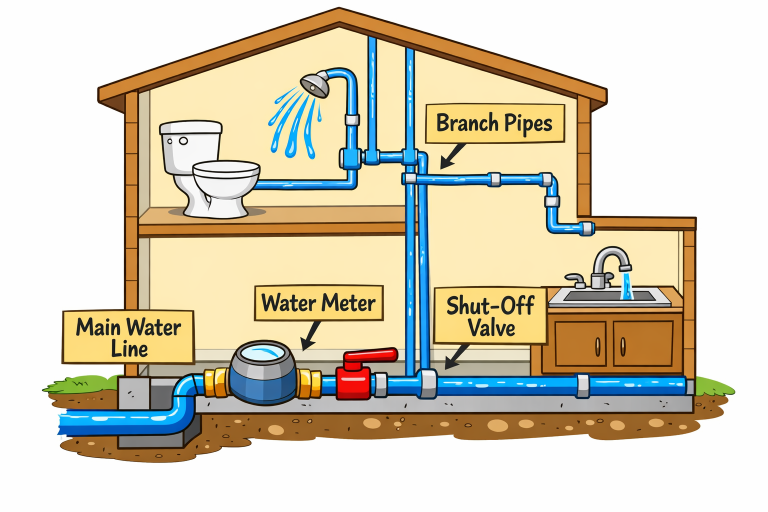
Your water supply system consists of several key components, each playing a role in delivering water to where you need it and allowing you to control its flow. Here are the essentials:
- Main Water Line: This large pipe brings fresh, pressurized water into your home from the city supply or a well.
- Shut-Off Valve: Placed near where the main line enters the house, the shut-off valve lets you quickly turn off the water during plumbing emergencies or for scheduled repairs.
- Water Meter: Usually installed at the main line entrance, the water meter tracks your household’s water use, helping you identify unusual spikes that may signal leaks.
- Branch Pipes: These smaller pipes run through your walls, floors, and ceilings, channeling water from the main line to your sinks, appliances, showers, and outdoor spigots.
Common Materials Used in Water Lines
Not every water line is made the same way, and the material used can affect durability, safety, and cost. Here’s a quick overview of what you might find in your home:
- Copper: A favorite in many modern homes, it is long-lasting and corrosion-resistant. It is suitable for both hot and cold water, but can be more expensive than other materials.
- PEX (Cross-linked Polyethylene): Flexible and simple to install, PEX won’t corrode and is commonly used as a cost-effective alternative to copper, especially for newer construction.
- PVC (Polyvinyl Chloride): Known for its affordability and ease of use, PVC is primarily used for cold-water lines. It’s lightweight but not suitable for hot-water delivery due to its heat sensitivity.
- Galvanized Steel: Common in homes built before the 1960s, these pipes tend to corrode and accumulate mineral deposits over time, which can restrict water flow and affect water quality.
Identifying and Locating Your Water Lines
Before you can effectively maintain or troubleshoot your plumbing, you’ll need to know how to track down the pipes. Here’s what you should do:
- Start at the main shut-off valve, usually found in a basement, crawl space, or utility closet. In warmer climates, it may be located outside near the foundation.
- Follow the largest pipe visible from the shut-off valve. This main supply splits into branches serving bathrooms, kitchens, and the laundry room.
- Take note of what the pipes are made of. If you see old, rust-colored piping or flaking metal, plan to budget for future upgrades.
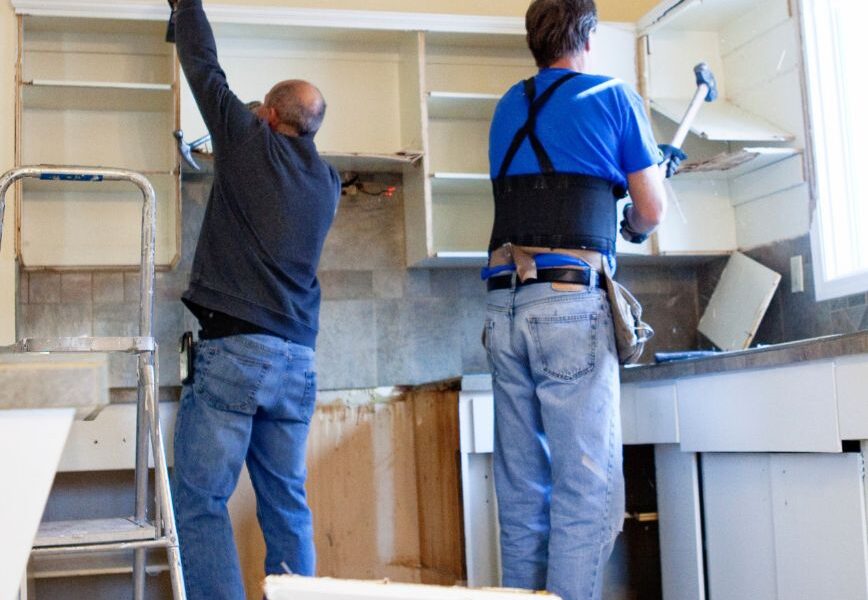
Understanding how your water lines run through the property also helps you plan renovations or simple repairs, preventing accidental damage when drilling or nailing into walls.
Signs of Potential Water Line Issues
Recognizing the early warnings of water line trouble can save your home from big messes and insurance headaches. Be on the lookout for these red flags:
- Unexpected spikes in your water bill, which could mean you have a leak in a hidden pipe.
- Water pressure that drops suddenly or seems lower than usual at multiple fixtures.
- Discoloration at the tap, an indicator of rust or sediment in aging pipes.
- Pooled water or soggy areas in your yard may signal an underground leak.
If you notice any of these signs, do not ignore them. Water damage can sneak up quickly, causing structural problems and creating the perfect environment for mold growth.
Maintenance Tips for Healthy Water Lines
A few maintenance habits go a long way in preventing major water line issues. Here are some easy steps to work into your home care routine:
- Check any visible pipes every year for signs of drips, corrosion, or cracking.
- Keep objects and clutter away from your main shut-off valve so it’s easy to access in an emergency.
- Insulate all pipes running through unheated spaces, such as garages, attics, or crawl spaces, to prevent freezing in winter.
- Every few years, invite a licensed plumber to do a comprehensive property inspection, particularly if your home is older or you suspect hidden leaks.
Small investments in preventive maintenance can make a huge difference in avoiding burst pipes or expensive plumbing repairs.
When to Call a Professional
While some home plumbing issues can be handled with basic tools and DIY skills, certain warning signs mean it is time to reach out to an expert. Contact a licensed plumber if you experience:
- Consistently low water pressure that simple solutions do not correct.
- Any visible corrosion, serious damage, or bulging in pipes.
- Tap water that stays discolored after running it for a while.
- Persistent dampness or water pooling in your home or your yard can indicate leaks below the surface.
Plumbing emergencies are serious and can quickly escalate into costly issues if left unresolved. For peace of mind, regular professional inspections are invaluable, especially if you live in an older home or have already noticed warning signs.
Additional Resources
Learning the basics of your home’s water lines may feel overwhelming at first, but being proactive reaps long-term rewards. Familiarize yourself with your plumbing, schedule regular maintenance, and never hesitate to get professional help when you need it. This combination will protect both your home’s value and your overall peace of mind.


Leave a Reply