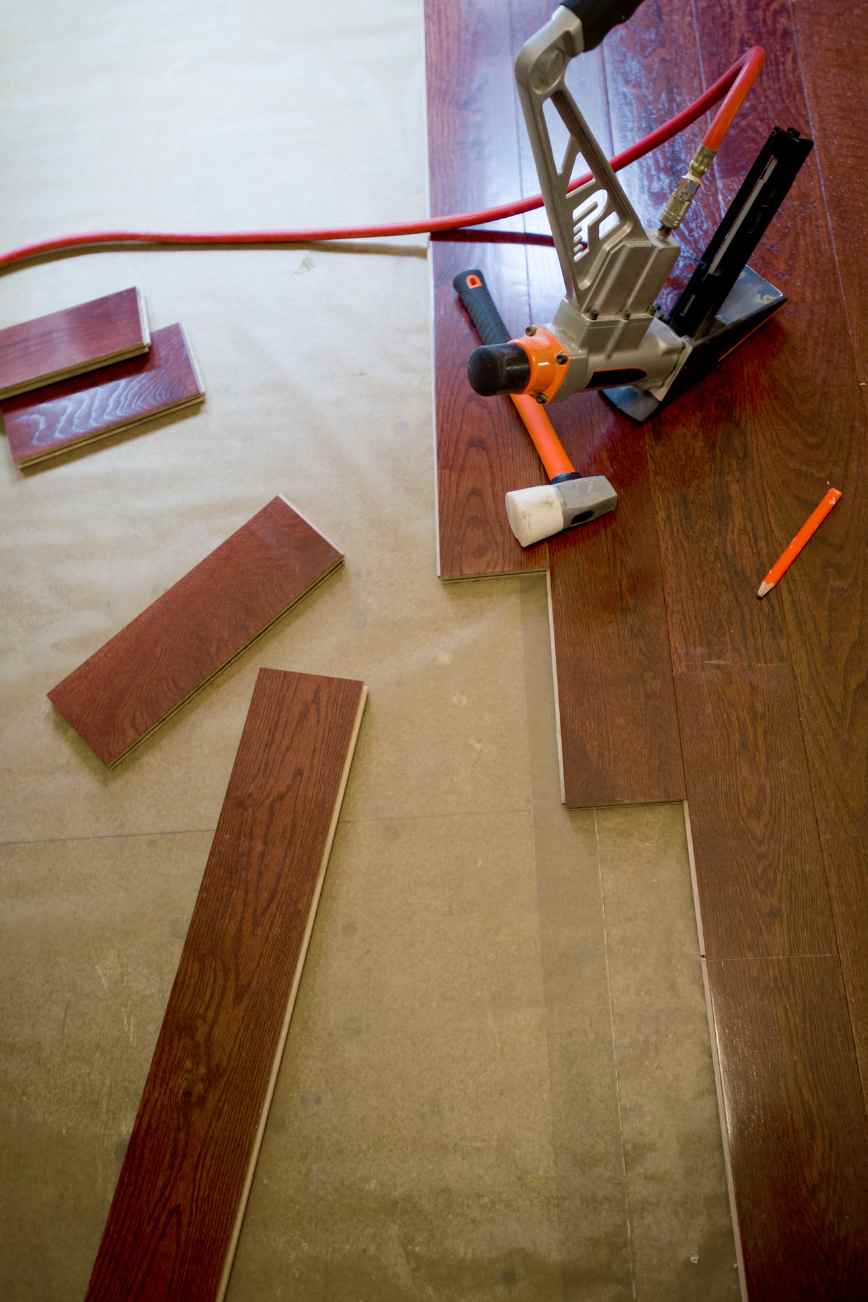
Changing your home’s flooring can completely transform how a space looks, feels, and functions. It can make a room feel brighter, warmer, larger, more modern, or more practical for everyday life. However, before you start pulling up old carpet or ordering samples, it is worth taking time to think through the details. Flooring is a long-term investment, and the right choice depends on more than style alone.
Think About How Each Room Is Used
The best flooring for one room may not be the best option for another. A busy hallway needs to handle heavy foot traffic, shoes, pets, and daily wear. A bedroom may need something softer and warmer underfoot. A kitchen or bathroom needs a surface that can cope with moisture, cleaning, and occasional spills.
Before choosing a material, think about your daily routine. Do you have children or pets? Do you entertain often? Do you need something low maintenance? A beautiful floor is only successful if it works with your lifestyle.
Consider Moisture and Durability
Moisture is one of the biggest factors to consider when choosing flooring. Bathrooms, laundry rooms, basements, and kitchens all need materials that can stand up to damp conditions. Some flooring options may look great at first, but can warp, swell, or stain if they are not suitable for the room.
This is especially important if you love the look of natural wood. Wood can bring warmth and character into a home, but it needs to be chosen carefully in areas where humidity is common. If you are exploring options such as wood flooring Ampthill, it is worth looking at products designed with the right finish, installation method, and moisture resistance for the space.
Set a Realistic Budget
Flooring costs can vary widely depending on the material, room size, subfloor condition, and installation requirements. It is easy to focus only on the price of the flooring itself, but there may be other costs involved. These can include removing old flooring, preparing the subfloor, buying underlayment, adding trim, and paying for professional fitting.
A slightly higher upfront cost may be worthwhile if the flooring lasts longer and requires less maintenance. Cheap flooring can sometimes become more expensive over time if it wears quickly or needs replacing sooner than expected.
Do Not Ignore the Subfloor
Your new flooring is only as good as the surface beneath it. If the subfloor is uneven, damp, damaged, or unstable, it can affect the final result. You may notice gaps, creaking, lifting, or premature wear.
Before installation, check whether the subfloor needs leveling, repairs, or moisture treatment. This step is not the most exciting part of a flooring project, but it can make a huge difference to the quality and lifespan of the finished floor.
Think About Maintenance
Every flooring type comes with its own care requirements. Some need regular sealing, polishing, or specialist cleaning products. Others only need sweeping and occasional mopping. Be honest about how much maintenance you are willing to do.
If you want a low-effort option, look for flooring that is easy to clean and resistant to everyday marks. If you are happy to put in a little more care, natural materials can offer a beautiful finish that develops character over time.
Match Flooring with Your Overall Style
Flooring has a major impact on the mood of your home. Light floors can make a room feel open and airy, while darker tones can add depth and sophistication. Wide planks can create a relaxed, modern feel, while patterned tiles or herringbone designs can add interest.
Try to think beyond current trends. Choose something that complements your furniture, wall colors, lighting, and long-term plans for the room.




Leave a Reply