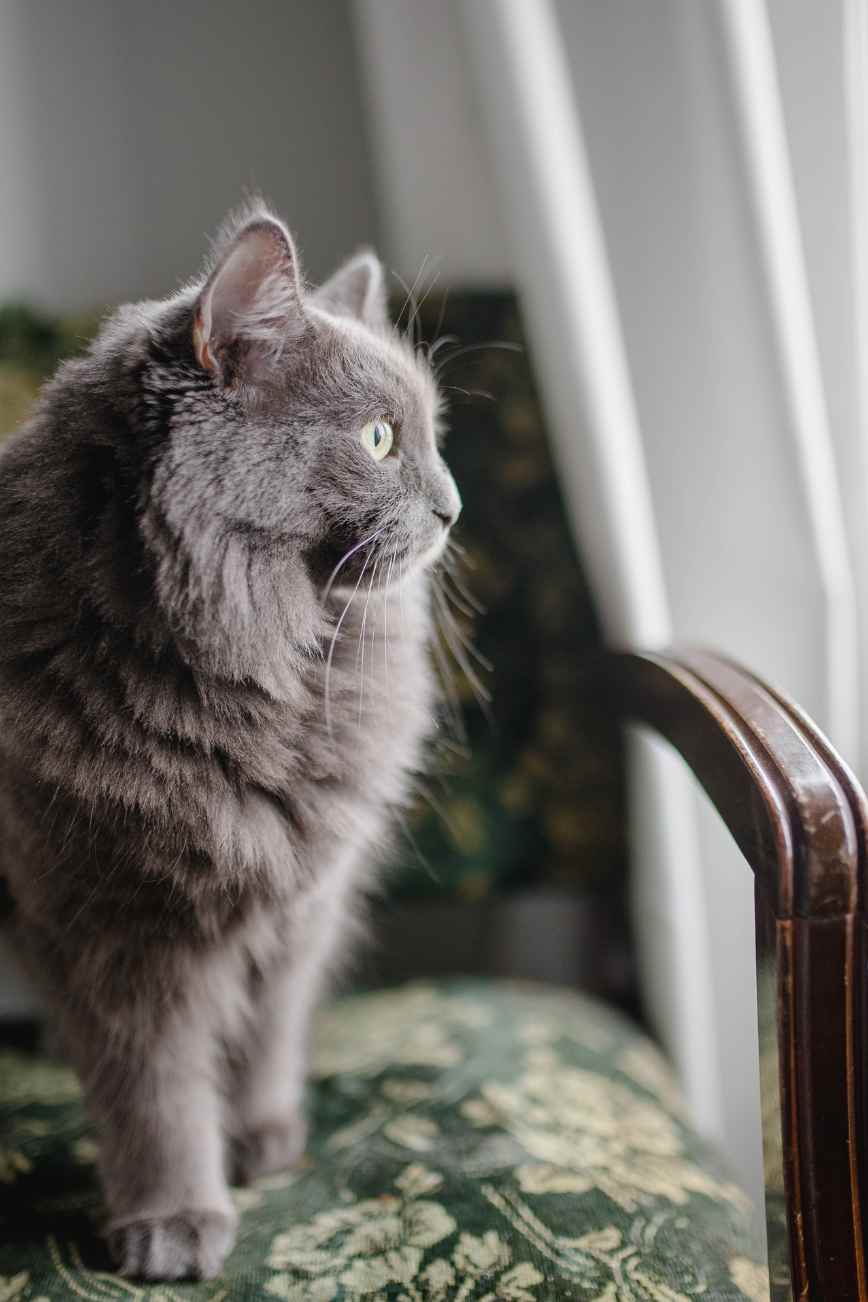
Cats are notoriously good at hiding discomfort, which means skin conditions can progress significantly before an owner notices something is genuinely wrong. Unlike dogs, who often scratch and lick visibly and dramatically when something bothers them, cats tend to groom excessively in more subtle ways, making early skin issues considerably easier to miss until they have become more advanced and uncomfortable.
Learning to recognize the early signs of common cat skin conditions helps owners catch problems sooner, when treatment is typically simpler and more effective. Here is a detailed, section by section guide to what every cat owner should know.
1. Excessive Grooming Is Often the First Warning Sign
Cats groom themselves regularly as normal behavior, which makes it genuinely tricky for owners to distinguish typical grooming from excessive grooming driven by skin irritation or discomfort. Watch for grooming that seems unusually focused on one specific area, grooming sessions that happen more frequently than normal, or grooming intense enough to create visible hair thinning or bald patches.
This distinction matters because excessive, localized grooming is frequently the earliest visible sign that something is bothering a cat’s skin, well before more obvious symptoms like visible lesions or significant hair loss become apparent to a casual observer.
2. Bald Patches and Hair Loss Deserve Investigation
Hair loss in cats can stem from numerous causes, ranging from allergies and parasites to stress related overgrooming and underlying medical conditions. Patches of thinning or missing fur, particularly if they appear suddenly or spread over time, warrant a veterinary evaluation rather than being dismissed as normal shedding, since the underlying cause can vary considerably in both severity and appropriate treatment.
Paying attention to the pattern of hair loss, whether it is symmetrical, localized to one area, or spreading, gives a veterinarian valuable diagnostic information, which is worth noting and mentioning specifically during any veterinary visit related to a cat’s skin or coat concerns.
3. Red, Raised, or Crusty Lesions Are Not Normal
Skin lesions that appear red, raised, ulcerated, or crusty are never a normal finding on a cat and always warrant veterinary attention. One specific condition that can present this way is eosinophilic granuloma in cats, a group of skin conditions related to allergic or immune responses that can produce distinctive lesions, often on the lips, face, or thighs, and that generally respond well to appropriate veterinary treatment once properly diagnosed.
MedcoVet has published detailed information specifically to help pet owners understand conditions like this one, recognizing that unfamiliar medical terminology can make it genuinely difficult for owners to understand what they are looking at or how seriously to take a particular skin finding until they have more context.
4. Scabs and Miliary Dermatitis Often Point to Allergies
Small, crusty scabs scattered across a cat’s body, sometimes described as feeling like sandpaper when petting the cat, are a hallmark of a condition called miliary dermatitis. This presentation is frequently, though not always, associated with an allergic response, commonly to flea bites, environmental allergens, or food ingredients, and identifying the underlying trigger is typically the key to effective long term management.
Owners who notice this scabby texture, even in a cat that seems otherwise comfortable and is not obviously bothered by it, should still bring it to a veterinarian’s attention, since underlying allergic conditions often benefit significantly from early identification and management.
5. Changes in Skin Color or Texture Warrant Attention
Beyond visible lesions, changes in skin color, thickening, or an oily or flaky texture can all indicate underlying skin conditions ranging from fungal infections to hormonal imbalances. These changes are sometimes easier to feel than to see, particularly on cats with thick or dark colored fur, making regular gentle petting and handling a genuinely useful way to notice changes early.
Building a habit of occasionally running your hands over your cat’s body during normal petting sessions, rather than only during obvious grooming or bathing, helps owners notice these subtler textural changes before they progress to more visibly obvious symptoms.
6. Environmental and Seasonal Factors Can Influence Skin Symptoms
Many cat skin conditions fluctuate with the seasons, flare-ups tied to pollen counts in spring and summer, dry indoor heating in winter that can worsen flaky or itchy skin, or increased flea activity during warmer months in regions where fleas are not controlled year round. Recognizing these seasonal patterns helps owners distinguish a genuinely new problem from a recurring, environmentally triggered one that may need ongoing rather than one time management.
Keeping a simple record of when symptoms appear or worsen, and noting any changes in the household environment, new carpet, a new laundry detergent, a change in litter, can give both owners and veterinarians valuable clues when trying to identify a trigger. This kind of pattern recognition is often what turns a frustrating, recurring skin issue into one that can finally be managed effectively once the actual trigger is identified.
Final Thoughts
Recognizing the early signs of common cat skin conditions, excessive grooming, hair loss, lesions, scabs, and textural changes, gives owners a genuine head start in getting their cat appropriate care before a condition progresses. Because cats are so skilled at masking discomfort, proactive attention from owners plays an outsized role in catching these issues early.
If you notice any of these signs in your own cat, scheduling a veterinary evaluation sooner rather than later is almost always the right call. Most skin conditions respond well to treatment when caught early, and getting a proper diagnosis removes the guesswork of trying to identify and manage a skin issue without professional guidance.



Leave a Reply