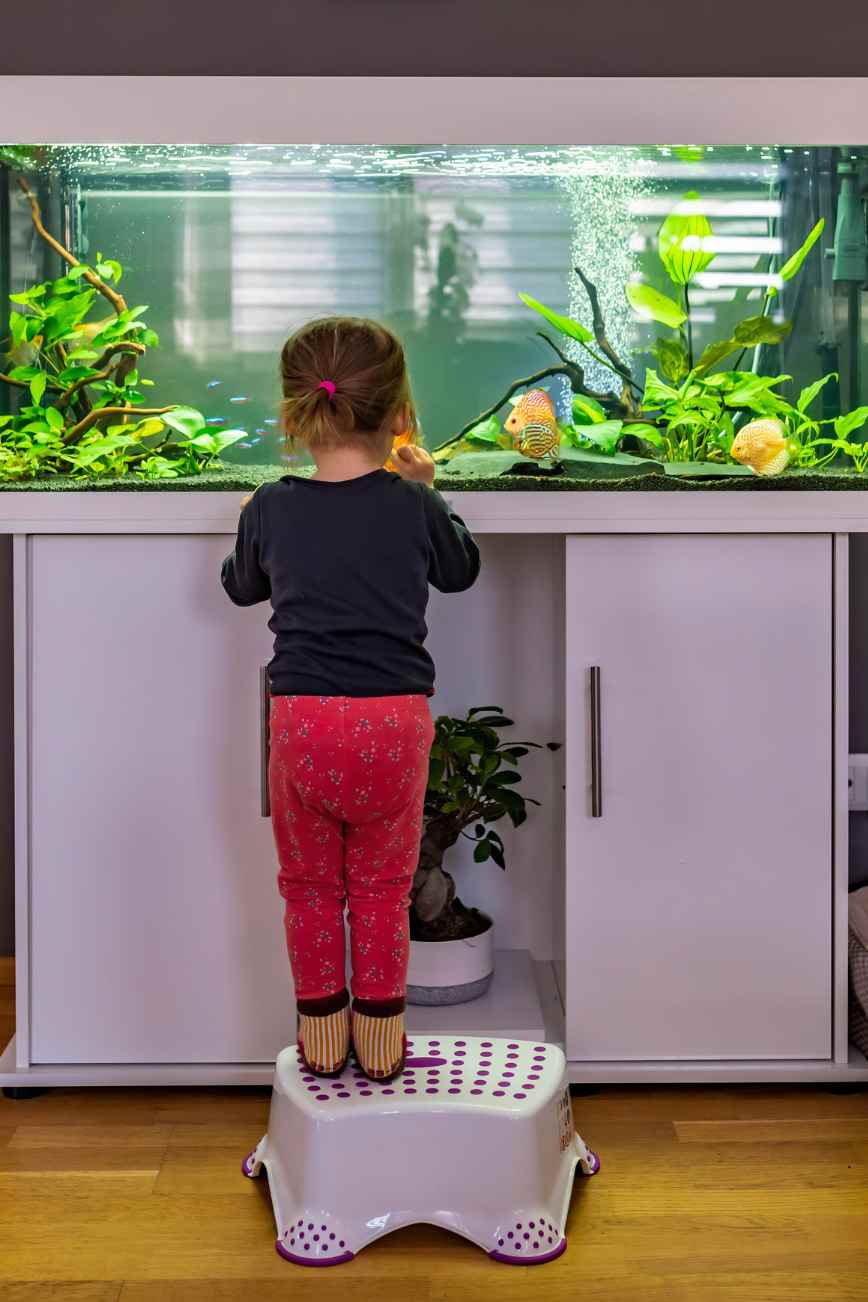
Dogs and cats are the most common pets, but many people also keep fish, lizards, and exotic insects. Since these animals require specific living conditions, owners purchase aquariums and other glass containers to ensure their pets’ comfort. Naturally, when it’s time to move, the question arises: how can you safely transport an aquarium?
Though aquariums, terrariums, vivariums, and other specialized glass enclosures appear sturdy when stationary, they are highly vulnerable to damage during transport. The combination of fragile glass, heavy weight, sensitive equipment, and living plants or animals makes moving them considerably more complex than packing ordinary household goods. For this reason, professional packing https://plusonemoving.ca/calgary is often the safest option. It addresses the following challenges:
Fragility of the glass structure
Aquarium and terrarium panels are designed to withstand pressure when stationary, but not impacts or uneven forces when being lifted or transported. Even a slight twist while carrying the enclosure can put stress on the seams. Professional movers know how to lift large glass enclosures evenly and use protective materials that minimize vibration and accidental impacts.
Weight of the enclosure
Even when completely emptied, large aquariums remain heavy due to their thick glass construction. Improper lifting techniques can damage the aquarium and increase the risk of personal injury. Professional movers use lifting straps, dollies, and team-lifting methods to safely transport heavy enclosures through doorways, staircases, and narrow hallways.
Specialized equipment
Many aquariums and terrariums contain specialized equipment that requires careful handling: filters, pumps, heaters, lighting systems, thermostats, misting equipment, and monitoring devices, which often need to be disconnected, packed separately, and protected from moisture and impact. Professional movers usually label and organize these components to make reinstallation easier after the move.
The substrate and decorative elements
Unsecured rocks, driftwood, ceramic decorations, and large branches can shift during transport and crack the glass from the inside. These components are typically removed, individually wrapped, and packed separately before the enclosure itself is transported.
Having living plants or animals inside enclosure during the move
Fish, reptiles, amphibians, insects, and exotic plants usually cannot remain inside the enclosure during transportation. They often require temporary containers with suitable ventilation, temperature control, and, where appropriate, water quality management. Professional movers who are experienced with specialty relocations can coordinate the handling of these items while minimizing stress on living organisms.
Temperature-related damage
During moves in extremely hot or cold weather, rapid temperature changes may affect the glass, sensitive equipment, or living organisms inside. Experienced movers plan transportation routes to minimize unnecessary exposure and recommend appropriate protective measures when environmental conditions are challenging.
Finally, aquariums and terrariums can be expensive, particularly custom-built models with specialized filtration systems or rare plants and animals. Professional packing is usually much less expensive than replacing a damaged enclosure or repairing valuable equipment. The expertise of professional movers provides greater protection for the equipment and its contents, ensuring a safer, more efficient, and less stressful relocation for owners and their valuable collections.

Leave a Reply