Table of Contents
- Why Two Similar Homes Can Offer Very Different Value
- Step 1: Set a Complete Home-Buying Budget
- Step 2: Compare Location, Not Just ZIP Code
- Step 3: Review the Property’s Physical Condition
- Step 4: Check Flood Exposure and Insurance Details
- Step 5: Compare Condos, Townhomes, and Single-Family Homes
- Step 6: Review Condo Documents Carefully
- Step 7: Use Comparable Sales Instead of Guesswork
- Step 8: Build a Simple Home Comparison Scorecard
- Questions to Ask Before Writing an Offer
- Choose the Home That Fits the Full Picture
Two Naples properties can have similar asking prices, square footage, and number of bedrooms while offering very different long-term value. The smarter comparison goes beyond photos and list price to consider ownership costs, location, condition, insurance, community requirements, and future flexibility.
When reviewing Naples FL homes for sale, buyers can use The Norgart Team’s searchable listing resource to compare properties across Naples and nearby areas such as Old Naples, Port Royal, Aqualane Shores, Gulf Shore Boulevard, and Pelican Bay. As a Naples-based real estate group, The Norgart Team provides local property information that can help buyers evaluate inventory by neighborhood, property type, price range, and location before narrowing their choices.
Why Two Similar Homes Can Offer Very Different Value
A lower-priced home is not automatically the more affordable option. A condominium with substantial association dues, older systems, and higher insurance costs may create a larger monthly obligation than a more expensive single-family residence. Likewise, a beautifully renovated property may still require attention if the roof, drainage, electrical panel, or storm protection is outdated.
Use a consistent process as you tour homes, compare disclosures, and discuss offer terms. Looking at every property through the same categories can reduce emotional decision-making and make the best overall fit easier to identify.
Step 1: Set a Complete Home-Buying Budget
Start with the expected monthly ownership cost, not just the purchase price or down payment. Before deciding what feels comfortable, estimate the full cost of living in each property.
- Mortgage principal and interest
- Property taxes
- Homeowners insurance
- Flood insurance, if required or advisable
- Condominium or HOA fees
- Utilities, lawn care, pool service, and pest control
- Seasonal maintenance and anticipated repairs
Request a current insurance estimate before making a serious offer. Insurance availability and premiums can materially affect affordability. Also, remember that association fees may cover valuable services, such as exterior maintenance, landscaping, building insurance, water, or amenities, but they still belong in your monthly budget.
Step 2: Compare Location, Not Just ZIP Code
Naples neighborhoods can feel very different even when they are only a short drive apart. Consider how each address works for your everyday routine, including traffic patterns, privacy, beach access, medical services, shopping, dining, and travel to Southwest Florida International Airport.
Questions to Compare for Every Location
- How long does it take to reach work, school, groceries, and healthcare?
- Is the area walkable or suitable for biking?
- How much street traffic, construction activity, or seasonal congestion is nearby?
- Is the property near beaches, parks, golf, boating, or other priorities?
- Does the setting fit your preferred level of privacy and activity?
Visit each location more than once when possible. A quiet weekday morning can feel entirely different from a weekend afternoon or a busy seasonal evening.
Step 3: Review the Property’s Physical Condition
Fresh paint, staged furniture, and updated countertops can make a strong first impression, but major systems usually determine the true repair risk. Compare the age, condition, and maintenance history of the home’s essential components.
- Roof and roof repair history
- Heating and cooling equipment
- Electrical panel and wiring
- Plumbing lines, fixtures, and a water heater
- Windows, exterior doors, and storm protection
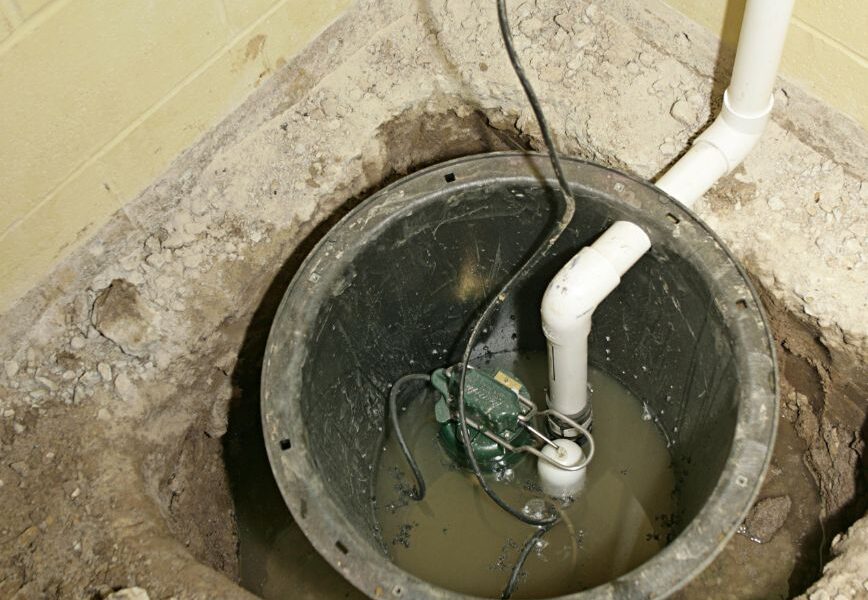
- Foundation, drainage, grading, and visible moisture concerns
- Pool surface, equipment, enclosure, and safety features
A licensed home inspector can help identify issues that are easy to miss during a showing. Ask for permits, invoices, warranties, and repair records when they are available, especially for roofs, windows, HVAC equipment, and substantial renovations.
Step 4: Check Flood Exposure and Insurance Details
Flood exposure is property-specific. Buyers should review flood maps, elevation information, drainage conditions, prior water intrusion, and available claim history rather than assuming all coastal or inland homes carry the same risk. Standard homeowners’ insurance generally does not provide the same protection as a separate flood policy.
The City of Naples flood mitigation guidance is a useful public resource for understanding flood-related property considerations. Ask insurance professionals how the roof age, impact-rated openings, wind mitigation features, elevation, and location may affect coverage options and premiums. Ideally, obtain estimates before the inspection period ends.
Step 5: Compare Condos, Townhomes, and Single-Family Homes
Property type changes both lifestyle and responsibility. Condos can simplify exterior upkeep, while single-family homes often provide more privacy and control. Townhomes can offer a middle ground, but maintenance obligations vary widely by community.
- Condos: May include shared amenities and exterior maintenance, but buyers should examine dues, rules, reserves, building condition, and possible assessments.
- Townhomes: May provide private entrances and more space while retaining some shared maintenance and community restrictions.
- Single-family homes: Often offer greater autonomy, but owners typically manage roofs, landscaping, pools, exterior repairs, and storm preparation directly.
For any association-governed property, compare monthly fees, included services, parking, storage, pet policies, rental restrictions, reserve funding, and recent or planned assessments.
Step 6: Review Condo Documents Carefully
With a condominium, the building matters as much as the individual unit. Request the declaration, bylaws, budget, financial statements, board meeting minutes, insurance information, reserve details, inspection reports, and notices concerning repairs or assessments.
Florida condo buyers should pay special attention to structural inspections, reserve funding, planned capital work, and the association’s ability to meet upcoming obligations. The Florida DBPR condominium information and resources page provides state guidance on condominium requirements and buyer-relevant issues. For complicated documents or material concerns, consider consulting a qualified real estate attorney.
Step 7: Use Comparable Sales Instead of Guesswork
An asking price reflects a seller’s strategy. Market value is better evaluated through recent closed sales of homes with similar location, property type, living area, lot size, condition, views, and renovation level. Active listings can show current competition, but completed sales reveal what buyers have recently paid.
More days on market do not always mean a bargain. A property may be slower to sell because of a difficult layout, needed repairs, high carrying costs, restrictive community rules, or an unrealistic original price.
Step 8: Build a Simple Home Comparison Scorecard
Score each home from one to five in these categories:
- Location and daily convenience
- Purchase price and comparable-sale support
- Estimated monthly ownership cost
- Insurance availability
- Flood and storm exposure
- Condition and expected repairs
- Association fees, rules, and reserves
- Resale potential
- Fit for your lifestyle and plans
Questions to Ask Before Writing an Offer
- How does the price compare with recent closed sales?
- What will the total monthly ownership cost likely be?
- Can the property be insured at a reasonable cost?
- Are there roof, plumbing, electrical, drainage, or structural concerns?
- Are there pending assessments, major repairs, or community projects?
- What is included with the sale?
- Which inspection, financing, and appraisal contingencies are appropriate?
- What could affect resale value later?
Choose the Home That Fits the Full Picture
The best home is not always the newest, the least expensive, or the most visually polished. Compare price, condition, location, insurance, fees, maintenance duties, and future flexibility together. A thorough review before making an offer can help prevent costly surprises after closing and lead to a decision that fits both your budget and your lifestyle.




Leave a Reply