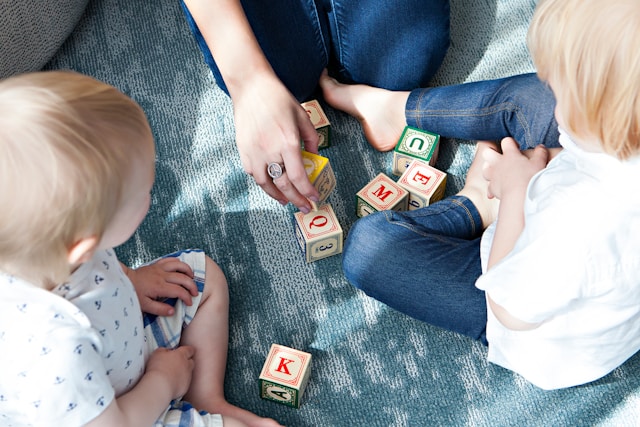
As a parent, you’re always thinking about your child’s growth and well-being. It’s easy to feel pressured by all the educational toys and structured programs that promise to give your little one a head start. But sometimes, one of the most powerful tools for development doesn’t come in a box or follow a curriculum. It can be as simple as an everyday play that you and your child can enjoy together.
The Power of Play-Based Learning
Kids learn about the world through play. Instead of just being told facts, they’d rather explore and solve problems in a fun way. Think about when a toddler stacks blocks until the tower tumbles as if they’re doing a mini-physics experiment. Or when a preschooler sorts crayons by color, learning how to classify things. This child-led method sparks a real love for learning. Research shows that play-based learning is important in early childhood education, as it helps kids build a strong foundation for school later on.
Simple Activities for Motor Skills
Play is also essential for developing both gross and fine motor skills. Gross motor skills involve the big muscles used for running, jumping, and climbing. Fine motor skills, on the other hand, require small, precise movements of the hands and fingers. You can encourage these with simple, fun activities:
- Building: Using blocks, LEGOs, or even recycled cardboard boxes helps with hand-eye coordination and understanding space.
- Art: Scribbling with crayons, finger painting, or rolling and shaping play-dough strengthens the hand muscles needed for writing.
- Puzzles: Simple peg puzzles for toddlers and more complex jigsaws for older kids improve dexterity and problem-solving skills.
Most children develop these skills at their own pace. But if your kid is struggling with coordination, seeking pediatric occupational therapy can offer the specific support and guidance they need.
Encouraging Communication Skills
Every conversation during playtime is a chance for your child to develop language. For example, when you narrate what’s happening: “You’re pushing the yellow car so fast!” you’re expanding their vocabulary and showing them how sentences work. Pretend play is especially great for communication. You can host a make-believe tea party or a trip to a pretend grocery store to encourage kids to use language to share ideas, negotiate roles, and tell stories. Reading books together, singing songs, and asking open-ended questions like “What do you think happens next?” are also playful ways to build strong communication skills.
Building Social-Emotional Foundations
Play is where your kid can learn how to navigate relationships, understand emotions, and develop empathy. Simple games teach crucial lessons about taking turns, following rules, and being a good sport. Pretend play lets children imagine what it’s like to be a doctor, a parent, or even a superhero. In turn, this helps them understand different perspectives, which is a key part of the five domains of child development that play supports. By setting up playdates and showing positive social interactions, you can help your child build the emotional intelligence they’ll need for life.
When to Seek Expert Guidance
Every child develops at their own unique pace, so it’s normal for them to be strong in some areas and face challenges in others. However, if you have ongoing concerns about your child’s development, always trust your instincts and seek guidance. Your pediatrician is a great first resource and can help determine whether a referral to a developmental specialist is needed. Most importantly, embracing everyday play can give your child the tools they need to thrive while creating cherished memories together.
If you’re worried about your child’s development in any way, it’s a good idea to raise it with your doctor. What’s nice about going to a medical professional is that they see your child’s development progress through key phases. The gap often allows them to see whether the pace of their development is right.
World of Pediatrics is an example of a pediatric practice that does just this. It works with children of all ages, from newborns to teenagers, providing them with regular checkups, mental health services, and advice for parents who might be concerned.





Leave a Reply