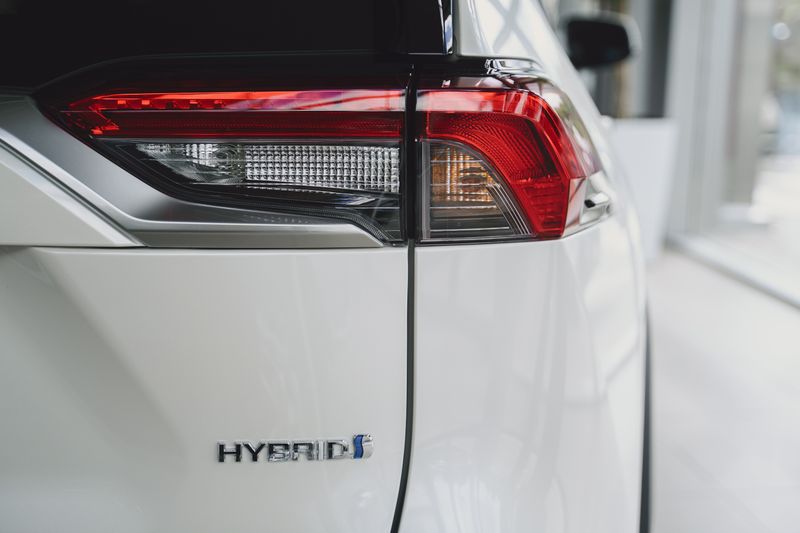
Hybrid cars bridge that gap between fully electric and gas engines. The two are paired within one system, allowing drivers to use one or the other depending on driving conditions. This setup is perfect for those looking for more eco-friendly driving options but can’t or don’t want to commit to going fully electric. And hybrid cars allow you to use less fuel than a standard gas engine alone without the need to be plugging in or changing how you drive. It’s often seen as a middle step between both, but it can still be a big decision before you decide if this is right for you.
Let’s take a look at a few practical details that matter when determining if a hybrid car is right for you.
Fuel Savings Over Time
A hybrid’s fuel economy advantage comes mainly from its ability to switch between the gas engine and an electric motor, which reduces fuel use especially in stop-and-go city driving.
The savings add up over time, although it might not be apparent immediately, especially with the higher purchase price; but for those who do frequent long drives or are on the highway frequently, the savings will be more noticeable faster compared to fully gas-powered engines. Models like the hyundai kona hybrid are built around this dual-powered setup, offering a middle ground for those ready to dip their toes into hybrid models.
Battery Life and Replacement Costs
Hybrid batteries are built to last many years, often well beyond a typical car loan. But they do eventually degrade and lose some capacity over time.
Typically, the battery will come with a warranty covering around eight to ten years or a mileage limit. As it varies, it’s a good idea to check carefully before buying so you know what to expect, especially for used hybrids nearing the end of that coverage. Replacement costs can vary too by model, and while prices have come down in recent years, there is still a significant expense worth factoring into ownership costs.
Tax Incentives and Rebates
Various tax credits and rebates exist for hybrid and electric vehicles, though eligibility depends on the specific model, purchase price, and sometimes incomes set by local or federal programs. These incentives can meaningfully offset the higher upfront cost of a hybrid compared to a similar gas-only model. It’s always worth checking if your purchase qualifies for any incentives on offer, as the rules around these programs change frequently and you might not fit the eligibility requirements as standard.
Maintenance Differences From Gas-Only Cars
Hybrids generally need less frequent brake maintenance than gas-only cars since regenerative braking reduces wear on the brake pads over time. However, hybrid-specific components like the battery cooling system and power electronics require specialized knowledge to service properly, meaning not every mechanic is equipped to work on them. Routine services like oil changes and tire rotations largely stay the same as with a gas-only car, so the difference mostly shows up when something hybrid-specific needs attention. Plus, you might find there are higher repair costs from mechanics experienced with hybrid motors.





Leave a Reply