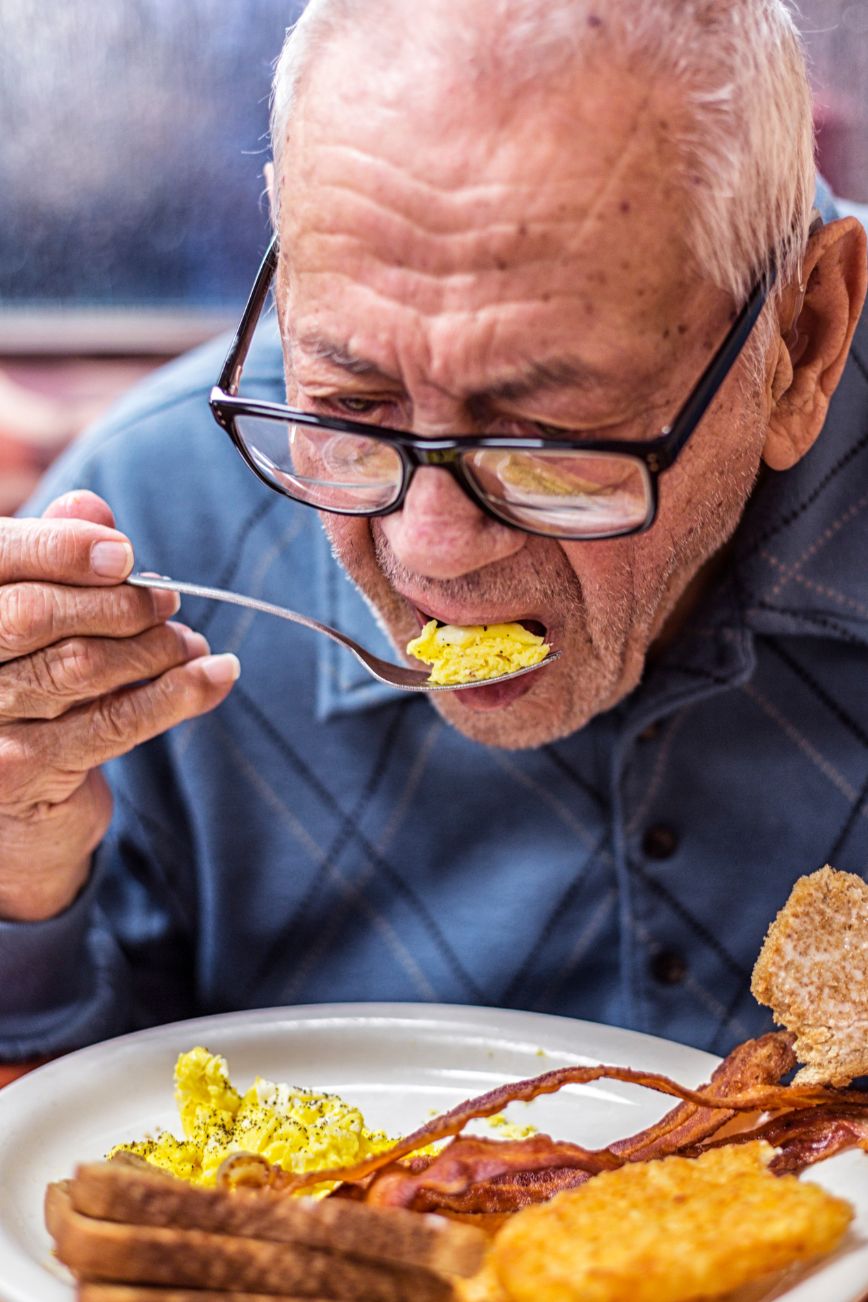
Eating is one of life’s fundamental pleasures and a cornerstone of maintaining health, vitality, and independence. However, as people age, the act of enjoying a meal can gradually transform from a comforting daily ritual into a frustrating or painful challenge. Eating difficulties among seniors are remarkably common, yet they often go unaddressed until significant nutritional deficiencies, involuntary weight loss, or reduced quality of life occur.
Understanding why older adults experience trouble eating is the crucial first step toward finding effective solutions. These difficulties rarely stem from a single source; rather, they typically arise from a combination of dental health issues, age-related physiological changes, underlying medical conditions, and medication side effects. Here is a closer look at the most common causes of eating difficulties in older adults and practical ways to manage them.
1. Tooth Loss, Broken Teeth, and Ill-Fitting Dentures
Perhaps the most direct and prevalent cause of eating difficulties in seniors is compromised dental health. Decades of natural wear and tear, periodontal (gum) disease, and tooth decay can lead to missing, fractured, or unstable teeth. When key teeth are missing or damaged, chewing fibrous vegetables, lean meats, nuts, and whole grains becomes painful or impossible.
To compensate, many older adults turn to traditional removable dentures. However, the jawbone naturally resorbs and changes shape over time following tooth loss, causing once-snug dentures to lose their fit. Ill-fitting appliances can slip, click, or rub against sensitive gum tissues, creating painful sore spots during meals. As a result, many seniors involuntarily restrict their diet to soft, heavily processed foods, which often lack essential vitamins and protein.
Restoring solid chewing capability is essential for both adequate nutrition and comfort. For seniors seeking a permanent, highly stable solution to widespread tooth loss, exploring options like full arch dental implants in Odessa can help restore natural chewing strength, eliminating the slippage and discomfort associated with removable prosthetics.
2. Chronic Dry Mouth (Xerostomia)
Saliva plays a vital, often understated role in eating. It lubricates food, begins the digestion of carbohydrates, protects tooth enamel, and enables smooth, safe swallowing. When saliva flow drops significantly—a condition known as xerostomia, or chronic dry mouth—chewing and swallowing become noticeably difficult.
Dry mouth is rarely a natural consequence of aging itself, but rather a common side effect of medications. Many older adults take prescription drugs for high blood pressure, heart disease, anxiety, depression, or urinary incontinence. A significant number of these pharmaceuticals reduce salivary gland secretion. Without sufficient saliva, dry or dense foods like bread, crackers, and lean meat feel abrasive, increasing the risk of choking and leading many seniors to abandon meals early.
3. Dysphagia and Neurological Conditions
Dysphagia is the medical term for swallowing difficulties, where passing food or liquid from the mouth to the stomach requires abnormal physical effort or becomes unsafe. In older populations, dysphagia is frequently linked to neurological issues, including:
- Stroke: Can weaken the throat muscles or disrupt the neural pathways that control the automatic swallowing reflex.
- Parkinson’s Disease: Affects motor control and coordination necessary for efficient chewing and moving food toward the back of the mouth.
- Dementia and Alzheimer’s Disease: Can alter sensory perception, causing individuals to forget how to chew, hold food in their mouth without swallowing, or lose the motor coordination needed for safe eating.
Dysphagia requires careful management, as it increases the risk of aspiration—where food or liquids enter the lungs—potentially triggering severe respiratory infections like aspiration pneumonia.
4. Diminished Taste and Smell
As the body ages, the total number of functional taste buds decreases, and the olfactory sense naturally dims. Certain systemic illnesses, upper respiratory conditions, and long-term medications can further dull these senses. When food loses its aroma and distinct flavor, mealtime loses much of its sensory appeal.
Seniors dealing with a diminished sense of taste and smell often experience a reduced appetite. They may consume smaller portions, skip meals entirely, or over-season food with excessive salt or sugar in an attempt to make it flavorful, which can complicate management of conditions like hypertension or diabetes.
5. Reduced Muscle Strength and Joint Mobility
Chewing requires strong facial muscles and smooth motion in the temporomandibular joint (TMJ). Age-related muscle loss, known as sarcopenia, can reduce the strength of the jaw muscles responsible for biting pressure. Arthritis in the jaw joint can also make repetitive chewing painful.
Additionally, hand and arm mobility issues heavily impact mealtime independence. Conditions like severe osteoarthritis, tremors, or muscle weakness can make holding utensils, cutting food, or guiding cups difficult, turning mealtime into an exhausting physical task.
Practical Strategies for Improvement
Addressing eating difficulties requires a personalized approach based on the primary underlying causes:
- Prioritize Dental Care: Repairing compromised teeth, relining ill-fitting dentures, or considering fixed implant-supported solutions can restore basic chewing function.
- Manage Dry Mouth: Encourage frequent sips of water during meals, utilize over-the-counter saliva substitutes, and ask a physician if dry-mouth-inducing medications can be adjusted.
- Modify Textures: Moisten meats and grains with gravies, healthy oils, or broths. Pureeing or slow-cooking foods ensures nutrient-dense options remain easy to chew and swallow safely.
- Enhance Flavors Naturally: Use aromatic herbs, garlic, citrus juices, and spices to stimulate taste buds without relying on excess salt or sugar.
By identifying the root causes of eating challenges early, caregivers and seniors can implement targeted adjustments to protect nutrition, restore mealtime comfort, and promote long-term health.




Leave a Reply