Key Takeaways
- Gelato, sorbet, frozen yogurt, and ice cream each offer a distinct balance of creaminess, density, sweetness, and flavor.
- Sorbet is often a refreshing dairy-free choice, while gelato is known for a smooth, dense texture.
- Frozen yogurt brings a mild tang that works especially well with fruit and lighter toppings.
- Ingredients, allergens, portion size, and toppings can matter as much as the dessert category itself.
- Miami heat makes timing important. Frozen desserts are generally best enjoyed soon after they are served.
On a warm Miami afternoon, a cold dessert can be as welcome as a break in the shade. Whether the day includes time near the water, shopping around Aventura, or a late dinner with friends, the best frozen choice depends on more than simply finding the coldest option.
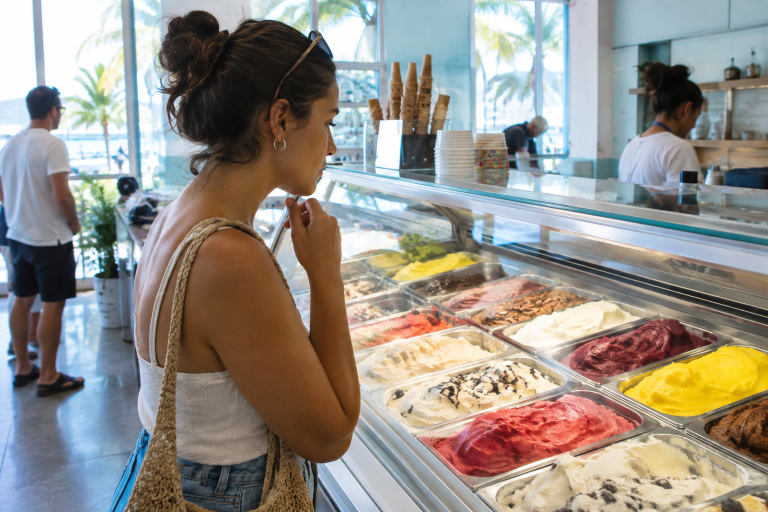
For a local example, Miami gelato shop Anita Gelato serves Aventura and the surrounding South Florida community with handcrafted gelato, sorbets, frozen yogurt, sugar-free selections, and toppings. Its Aventura location highlights the broad range of choices a modern dessert stop can offer, from fruit-forward scoops to richer, dessert-inspired flavors, making it a useful reference point for comparing frozen treats.
Why Frozen Desserts Work So Well in Miami
Miami’s warm, humid conditions make bright, chilled flavors especially appealing throughout much of the year. A mango or passion fruit sorbet can feel crisp after a beach day, while a small scoop of chocolate or pistachio gelato can be a satisfying finish after dinner. The right choice comes down to the experience you want: light and refreshing, creamy and indulgent, or somewhere in between.
It also helps to think about where and when you will eat it. A dessert enjoyed at the counter can keep its intended texture longer than one carried through a sunny parking lot or left in a warm car. If takeout is the plan, choose a nearby destination and head home without unnecessary stops.
Gelato, Sorbet, Frozen Yogurt, and Ice Cream: The Main Differences
These desserts may share a freezer case, but their bases and textures are not identical. Food science guidance on gelato and ice cream explains that gelato generally contains less air than typical ice cream, contributing to its dense, smooth feel. Recipes vary by shop and flavor, so ingredients should always be checked when dietary needs are involved.
- Gelato: Usually milk-based and churned for a dense, silky texture. It is a strong match for intense flavors such as chocolate, coffee, hazelnut, pistachio, or caramel.
- Sorbet: Commonly made with fruit, water, and sweetener. It is often dairy-free and can emphasize the clean, vivid character of citrus, berries, melon, mango, or tropical fruit.
- Frozen yogurt: A yogurt-based option with a recognizable tang. Its flavor can create a pleasant contrast with fruit, chocolate, and crunchy toppings.
- Ice cream: Typically made with milk and cream, creating the familiar rich profile many people expect from classic flavors such as vanilla, cookies and cream, or butter pecan.
How to Choose Based on Flavor and Texture
- Choose gelato for flavor intensity. Its smooth, compact texture can make roasted nuts, cocoa, coffee, and caramel feel especially full-bodied.
- Choose sorbet for freshness. Fruit flavors can provide a clean finish after a heavy meal or a hot afternoon outdoors.
- Choose frozen yogurt for tang. The gentle tartness can prevent a topping-heavy cup from tasting overly sweet.
- Choose ice cream for familiar richness. It is often the easiest pick when the goal is a classic, creamy dessert experience.
Nutrition labels and recipes can differ widely, even within the same category. A comparison of summer frozen treats from University of Illinois Extension notes that fat, sugar, and serving sizes vary, so no single category is automatically the lighter choice. A modest serving and toppings selected with intention can make a difference.
Choosing for Dietary Needs
- Dairy-free: Sorbet can be a good starting point, but confirm the ingredient list and ask about possible cross-contact with dairy products.
- Lower-fat preference: Sorbet and some frozen yogurt options may be worth comparing, though lower fat does not necessarily mean lower sugar.
- No-added-sugar needs: Ask which flavors fit that preference, and review the available product information rather than relying on a flavor name alone.
- Allergies: Ask specifically about dairy, nuts, eggs, gluten, and shared scoops, topping stations, or equipment.
- Kosher preferences: Confirm current certification details directly with the shop, including questions about sauces and toppings.
How Toppings Change the Dessert
Toppings can turn a good scoop into a more balanced one. Fresh berries add acidity to creamy flavors. Roasted nuts add crunch to pistachio or chocolate. A small drizzle of sauce can add sweetness without covering the flavor of the base. Rather than layering every available option, try one main topping and one contrast.
- Mango sorbet with fresh berries for a bright, fruit-centered combination.
- Pistachio gelato with roasted nuts for a deeper nutty finish.
- Tart frozen yogurt with berries and a small amount of chocolate for sweet, tangy, and crunchy contrast.
What to Ask Before Ordering
- Which flavors are dairy-free or plant-based?
- Which choices contain nuts or other common allergens?
- Are there no-added-sugar options available today?
- Which toppings pair well with the chosen flavor?
- Are there kosher details that should be reviewed before ordering?
Serving Temperature and Miami Heat
Frozen desserts begin softening as soon as they leave the freezer. For the best texture, order close to the time you plan to eat, especially when walking outdoors or driving across Miami-Dade County. Use a sealed container for takeout, consider an insulated bag for a longer ride, and avoid refreezing a dessert that has completely melted.
Simple Pairing Ideas
- Tropical: Mango or passion fruit sorbet with fresh fruit.
- Rich: Chocolate or hazelnut gelato with toasted nuts.
- Balanced: Frozen yogurt with berries and a restrained chocolate topping.
- Family-friendly: One creamy flavor, one fruit flavor, and one familiar classic so everyone has an option.
Common Questions About Frozen Desserts
Is gelato healthier than ice cream?
Neither is automatically healthier. Recipes, serving sizes, mix-ins, and toppings all affect the final result. Gelato can feel rich in a smaller serving because of its dense texture, while some ice creams may contain more cream.
Is sorbet always dairy-free?
Sorbet is commonly made without dairy, but recipes can vary. Check the ingredients and ask about preparation practices if dairy avoidance is important.
Does frozen yogurt always contain live cultures?
Not necessarily. The presence and survival of live cultures can vary by product and processing method, so it is best to ask the shop or review product details.
Which dessert is best for a hot day?
Sorbet may feel the most refreshing, while gelato and frozen yogurt offer a creamier experience. The best answer depends on your preferred texture, flavor, and dietary needs.
Final Decision Checklist
- Choose the texture you want: dense, creamy, light, or tangy.
- Check ingredients, allergens, and dietary details before ordering.
- Match the flavor to the weather and the rest of the meal.
- Add toppings for contrast rather than clutter.
- Enjoy the dessert soon after it is served for the best experience.





Leave a Reply