Key Takeaways
- Detailed preparation is the cornerstone of a lasting and attractive stain.
- Proper cleaning and sanding are needed for good stain adhesion and a smooth look.
- Using a pre-stain conditioner on softwoods helps avoid streaks and splotches.
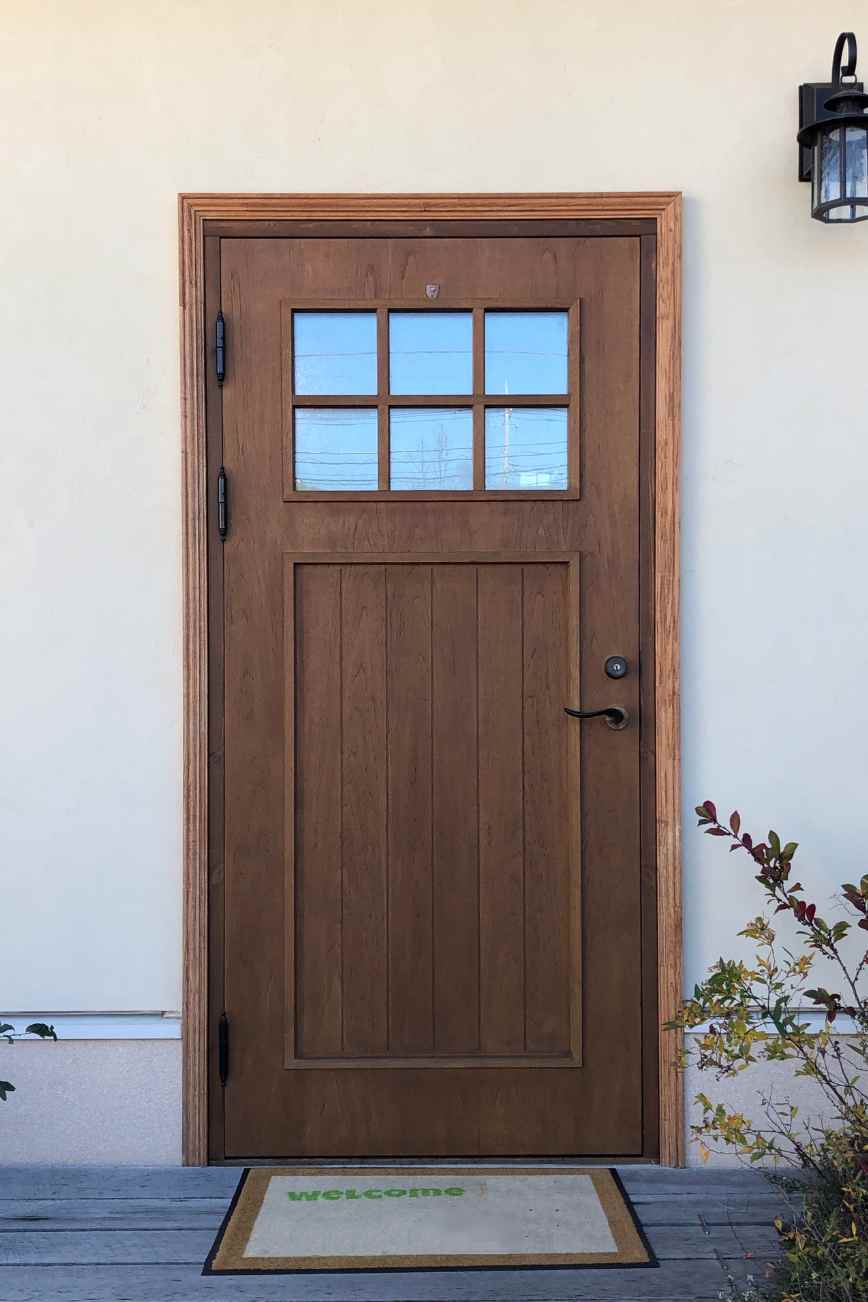
Giving your wood door a beautiful new look is more than just applying a coat of stain. The process begins with the right preparation to ensure a smooth, even finish that stands the test of time. Whether you are refreshing an old door or finishing a new one, every step matters in helping the stain penetrate properly and last for years. For a comprehensive overview from start to finish, check out a guide on how to stain a door.
Careful preparation not only enhances the natural grain and character of a wood door but also helps prevent issues like peeling, blotching, and premature wear. With a little patience and some attention to detail, you can achieve results that look professional and increase your door’s longevity.
Remove Hardware and Protect Surroundings
Begin by carefully removing all door hardware, including handles, hinges, locks, and any decorative fixtures. Place screws and components in a labeled container to avoid misplacement during reassembly. This step ensures the entire door surface is fully accessible, allowing for a smooth, even stain application without interference from metal parts that could become discolored. If your door includes glass panels, protect them using painter’s tape and plastic sheeting to prevent accidental staining. Proper preparation not only improves the final finish but also helps achieve a clean, professional-looking result with minimal cleanup afterward.
Clean the Door Surface
Cleanliness is crucial before you start sanding or staining. Dust, fingerprints, oils, and previous finishes all interfere with stain absorption. Wipe the door thoroughly with a damp microfiber cloth to lift away surface particles. For more persistent grime or grease, opt for a mild soapy water solution, rinsing and drying fully when done.
Let the door dry completely before continuing to ensure moisture doesn’t affect the finish or cause the wood fibers to rise and create a rough texture. If any mildew or mold is present, use a diluted vinegar solution or a wood cleaner to address it before proceeding.
Sand the Door
Sanding removes surface imperfections and helps the wood absorb stain evenly. Start with medium-grit sandpaper (between 100 and 120 grit) and work along the wood’s grain. Avoid circular or random sanding motions, as these can create visible marks that show through the stain. After the initial pass, switch to finer sandpaper (180-220 grit) for a smooth, blemish-free surface.
Be gentle on veneered doors or areas where the wood is particularly thin, as over-sanding can wear through the veneer and cause irreparable damage. Once sanding is complete, vacuum up dust and wipe down the door with a tack cloth to leave the grain clean and open.
Apply Pre-Stain Conditioner (Optional)
Some woods, particularly softwoods like pine and fir, tend to absorb stain unevenly due to their porous and inconsistent grain structure. This can result in blotchy finishes, dark patches, and an unbalanced appearance if not properly treated. To address this issue, applying a pre-stain wood conditioner is essential. The conditioner penetrates the wood and helps regulate absorption, especially in more porous areas, allowing the stain to spread more evenly across the surface. After application, it must be left to dry for the manufacturer’s recommended time, usually between 15 and 30 minutes, before proceeding with staining for optimal, professional-quality results.
Choose the Right Stain
Select a high-quality stain that works with your specific wood type and aligns with the look you want to achieve. Water-based stains dry faster and tend to produce less odor, while oil-based stains can offer deeper coloration and rich warmth. If you are unsure which stain is best, this guide from Homes & Gardens has useful advice on stain types and color selection.
Before applying stain to the entire door, always test it on a hidden section or a spare piece of the same wood. This confirms the color outcome and helps you gauge how many coats you may need.
Apply the Stain
Use a paintbrush, foam applicator, or clean cotton cloth to apply the stain. Always work in the direction of the wood grain for the most natural appearance. Let the stain soak into the wood for the amount of time recommended by the stain manufacturer. Then, gently wipe away any extra stain with a separate clean cloth, again following the grain direction.
For a richer color, additional coats may be added after the previous layer dries thoroughly. Patience is important: rushing the process can cause streaking or sticky surfaces that compromise the finish.
Seal the Door
Once satisfied with the depth and consistency of the stain, the next step is sealing. A clear finish is critical to protect the door from wear, UV damage, and moisture. Polyurethane is a popular choice for its durability, but you can also consider varnish, lacquer, or another product compatible with your stain type.
Apply 2 to 3 thin, even coats, allowing each layer to dry as instructed on the product label. Lightly sand with fine-grit sandpaper between coats to maintain a smooth finish and help subsequent layers bond properly.
Reattach Hardware and Reinstall the Door
When the protective finish is completely dry, reattach all hardware and any decorative elements. Give everything a once-over to make sure the door operates smoothly, the hardware is secure, and there are no missed spots or tacky areas. The result is a door that not only looks beautiful but is now protected and ready for years of use.
When you follow these careful steps, you set the stage for a professionally stained wood door that enhances both the beauty and longevity of your home’s entryways. For additional tips and common mistakes to avoid, Dunbar Painting offers a helpful resource that expands on this process.





Leave a Reply