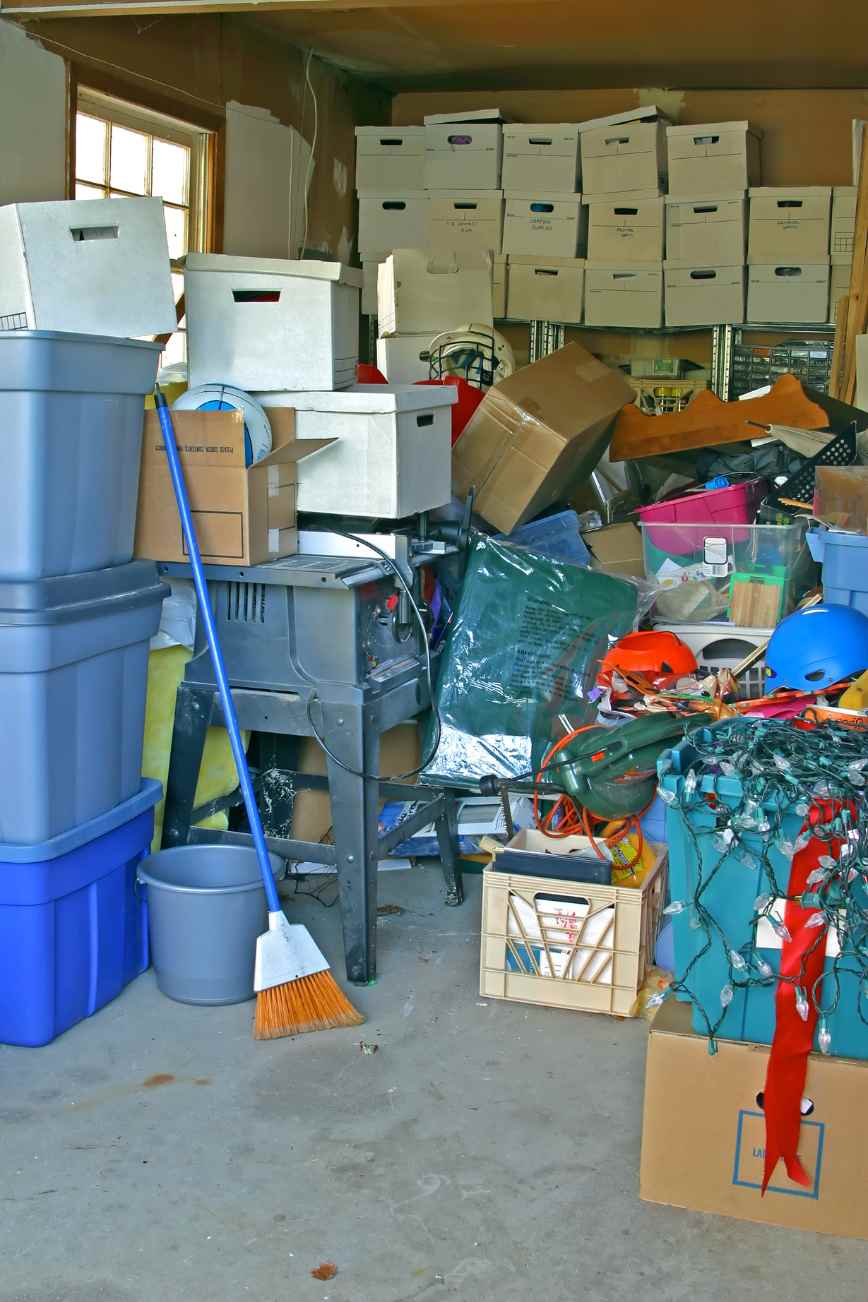
Garages are often the most challenging area during residential moves. Unlike standard rooms in a house, garages are usually used for long-term storage rather than daily living, which leads to accumulation and complexity. As a result, moving a garage requires significantly more time, planning, and caution than other areas of a home.
One of the main challenges is the variety of items stored inside. Garages often contain tools, bicycles, sports equipment, automotive supplies, gardening materials, spare furniture, and seasonal decorations. Bulky or oddly shaped items are quite difficult to pack efficiently. Unlike boxed household goods, garage items do not always have standardized packaging, which increases the need for sorting, disassembly, and protective wrapping.
Heavy equipment is another complicating factor. Common examples are lawnmowers, snow blowers, power tools, workbenches, and storage cabinets. Some equipment may require partial disassembly or draining of fluids before transport. Without proper preparation, there is a higher risk of injury or damage during loading and unloading. Professional movers https://paramountmoving.ca/victoria/service/residential-victoria-movers/ often require extra tools or manpower to handle garage contents.
Other challenges include:
- Presence of hazardous or sensitive materials. Many garages store chemicals such as paints, solvents, motor oil, fuel, pesticides, and cleaning agents. These substances require special handling because they can be flammable, toxic, or environmentally harmful if spilled. Moving companies may refuse to transport certain hazardous materials, meaning homeowners must dispose of or relocate these items separately. This adds an extra layer of coordination and safety management to the moving process.
- Increased time for sorting. Garages are often disorganized spaces, where items are often placed without clear labeling or structure, making it difficult to identify what should be kept, discarded, or moved. This lack of organization slows down the packing process and can lead to rushed decisions, increasing stress during a move.
- Environmental exposure. Unlike interior rooms, garages are often less insulated, meaning items may be exposed to humidity, dust, and temperature fluctuations. These conditions can damage cardboard boxes, rust metal tools, and degrade materials over time. Therefore, extra care is needed to properly clean and protect items before transport.
- Space limitations. Garages are often narrow or crowded, which makes it difficult for movers to safely navigate with large items. Limited vehicle access or poor driveway conditions can also slow down loading operations.
Emotional attachment. Many homeowners store long-term personal projects, hobby equipment, and sentimental items in garages. This can make decisions about disposal or relocation more time-consuming.





Leave a Reply