Key Takeaways
- Roper gear pumps serve vital roles in sectors such as chemical, transportation, and oil and gas industries.
- Regular inspections and correct lubrication practices are essential for sustaining pump performance and efficiency.
- Prompt responses to common pump challenges are vital to minimizing unexpected downtime and maintaining safety.
Roper gear pumps have become an essential solution for industries requiring robust, dependable fluid handling systems. Renowned for their adaptable design and consistent performance, Roper Pumps meet the demands of sectors such as chemical manufacturing and oil and gas processing. Understanding how these pumps can be applied and properly maintained is critical to ensuring seamless, long-lasting operation.
By integrating these pumps into a facility’s operations and observing recommended maintenance strategies, businesses can significantly decrease downtime and maintenance costs while optimizing productivity. Their compatibility with a range of fluids, reliability across challenging work environments, and improved service life make Roper gear pumps the cornerstone of many industrial fluid management systems.
Companies that invest in proactive care and continuous monitoring of their gear pumps benefit from reduced risk and greater reliability in their operations. Establishing a strong routine for inspection and swift response to potential issues is crucial in fast-paced, high-demand sectors where every minute of uptime counts.
Industrial Applications of Roper Gear Pumps
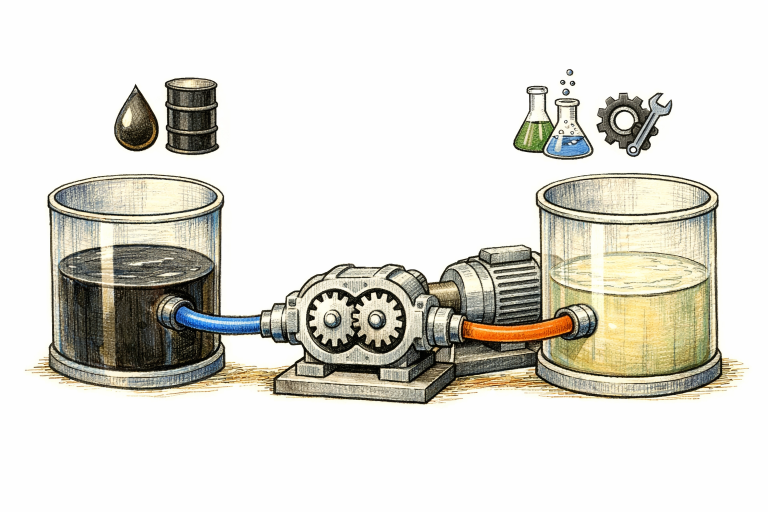
The versatile nature of Roper gear pumps allows them to handle tasks ranging from the movement of thin solvents to the transfer of highly viscous materials. Their adaptability and robust construction are particularly valued in industries demanding unwavering reliability and precision.
Chemical Manufacturing
Roper gear pumps are crucial for maintaining consistent fluid transfer in chemical production facilities. They are capable of processing a wide array of substances, including highly reactive or abrasive chemicals, by providing a controlled, pulse-free flow. This characteristic is vital in applications requiring exact dosing or careful blending of ingredients, which in turn helps minimize production inconsistencies and waste. Additionally, choosing appropriate pump construction materials and seals allows safe handling of corrosive substances that could otherwise degrade less specialized equipment.
Transportation Equipment Manufacturing
In the assembly of transportation and heavy machinery, Roper gear pumps are entrusted with vital hydraulic and lubrication roles. Whether circulating hydraulic fluid for industrial presses or applying lubricants to complex machinery components, their steady output ensures equipment stays operational and efficient. The ability to handle diverse viscosities and operate dependably under varying temperature conditions means they are frequently chosen for both central lubrication systems and paint transfer units. Standardizing on a single pump type, such as Roper, can simplify inventory management and make technician training more effective.
Oil and Gas Industry
Within the demanding environment of oil and gas processing, these pumps excel at managing thick fluids such as bitumen, resins, and fuel oils. The use of advanced materials like Vesconite Hilube bushings has enabled longer service intervals and improved resistance to the abrasive and corrosive properties common in this sector. The pumps’ positive displacement mechanism is well-suited for applications where precise, high-pressure fluid transfer is necessary.
Maintenance Best Practices
Even the most reliable pumps can only deliver top performance when supported by diligent maintenance routines. Implementing comprehensive procedures for monitoring and servicing gear pumps enhances both productivity and system longevity. According to Forbes Technology Council, establishing a proactive maintenance culture is fundamental in preventing catastrophic failures and ensuring equipment reliability.
Regular Inspections
Conducting frequent and systematic inspections is a foundational element in any reliability program. Technicians should examine each pump for signs of leaks, abnormal vibrations, and corrosion, which can indicate deteriorating seals, alignment problems, or fluid incompatibility. Logging inspection results in a detailed maintenance record helps identify recurring issues or potential process improvements.
Proper Lubrication
Applying the right lubricant at scheduled intervals, as recommended by the equipment manufacturer, is crucial for minimizing internal friction and wear. Over time, lubricants can degrade or become contaminated by process fluids. Regular lubricant analysis and monitoring allow early detection of potential failures and ensure smooth, efficient operation. This practice also reduces the odds of catastrophic pump damage and costly unplanned downtime.
Addressing Common Issues
Proactive operators are vigilant for warning signs such as decreased flow, odd noises, temperature spikes, or visible fluid leaks. Identifying and rectifying these symptoms early minimizes operational risks and helps maintain safe, compliant workspaces. Having standardized protocols in place empowers staff to quickly resolve or escalate issues, preventing small problems from growing into large, costly disruptions.
Conclusion
Roper gear pumps underpin critical processes across a wide range of industries by delivering the flexibility, efficiency, and durability that today’s applications demand. By focusing on proper application, selecting materials and construction appropriate for the service environment, and committing to proactive maintenance, organizations can maximize their return on investment and keep their processes running smoothly. Recognizing and quickly responding to operational changes or potential problems is the best way to ensure continuous uptime and safeguard production goals.




Leave a Reply