Table of Contents
- What Are Clinical Trials?
- Types of Clinical Trials
- Phases of Clinical Trials
- Eligibility Criteria
- Informed Consent
- Potential Benefits and Risks
- Common Misconceptions
- How to Find Clinical Trials
Clinical trials are essential for advancing medical knowledge and developing innovative treatments. For anyone considering taking part in a clinical trial, understanding the process, potential benefits, and risks is crucial. Many individuals explore opportunities to participate in clinical studies to not only contribute to future advancements but also to access cutting-edge medical care and therapies that may not be widely available.
Participating in a clinical trial can seem intimidating or complex. However, knowledge about what clinical trials involve can help people make informed choices. By learning about the structure of trials, their phases, and how participant safety is prioritized, you can approach the idea with clarity rather than uncertainty.
The process for enrolling in a clinical trial includes a careful review of eligibility, a thorough explanation of your rights and responsibilities, and multiple safeguards to protect your health. Volunteers are closely monitored, ensuring a unique level of medical attention and support throughout the process.
Whether the hope of personal health benefits drives you or you want to help advance medical science for others, understanding clinical trials is the first step in deciding whether or not they may be right for you.
What Are Clinical Trials?
Clinical trials are research studies conducted with volunteers that evaluate new medical, surgical, or behavioral interventions. These trials are foundational in determining whether new therapies or drugs are safe and effective for treating specific health conditions. They are critical to the discovery of fresh medications, procedures, and health strategies that can prevent, detect, or treat diseases and chronic illnesses.
Researchers design clinical trials to answer specific questions about proposed treatments and their impact on health outcomes. Participation ranges from small groups receiving new therapies to large studies aimed at establishing the most effective and safest interventions. According to the National Institutes of Health, clinical trials play a central role in advancing medical science and patient care.
Types of Clinical Trials
There are several types of clinical trials, each with its own objective within the broader landscape of medical research:
- Treatment Trials: Test new treatments, including medications, therapy combinations, or new surgical and radiation techniques.
- Prevention Trials: Focus on discovering methods to prevent the onset of specific illnesses or the recurrence of disease.
- Diagnostic Trials: Aim to develop more accurate diagnostic methods for detecting medical conditions or diseases.
- Screening Trials: Seek to identify effective procedures or tests for detecting diseases earlier in their development.
- Quality of Life Trials: Explore therapies and strategies to improve comfort and manage chronic health issues in daily life.
Phases of Clinical Trials
Every clinical trial progresses through specific phases to ensure safety and effectiveness at multiple levels:
- Phase I: A small group of participants is exposed to a new intervention primarily to assess its safety and identify any side effects.
- Phase II: The study expands to a larger population, further analyzing safety while beginning to evaluate the treatment’s effectiveness.
- Phase III: Even larger participant groups are involved, providing comprehensive comparisons with existing treatments and accumulating more information on safety and efficacy.
- Phase IV: These trials take place after regulatory approval (such as FDA approval in the United States) to gather long-term data on the intervention’s performance across varied populations and to identify any rare or long-term side effects.
Eligibility Criteria
Each clinical trial defines specific eligibility requirements. Common criteria can include age, sex, diagnosis details, disease stage, prior treatment history, and coexisting health issues. This selection process helps maintain the integrity of the study results and protects participant safety by matching the right patients with the right trials.
Informed Consent
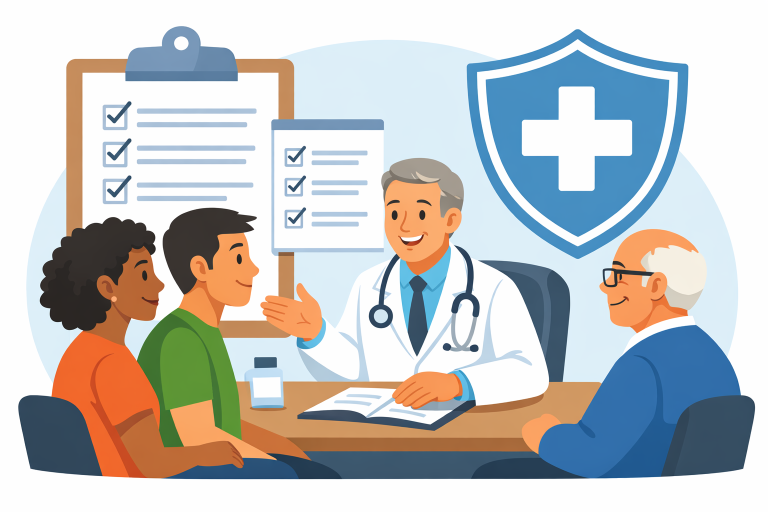
Before enrolling, participants must complete an informed consent process. This process educates individuals about the trial’s purpose, procedures, expected length, possible risks and benefits, and participant rights. Asking questions is encouraged, and the right to withdraw consent at any time is a critical safeguard throughout the study, as noted by the American Cancer Society.
Potential Benefits and Risks
Potential Benefits
- Potential access to new or innovative treatments before public availability.
- Close medical supervision and access to top-tier healthcare professionals.
- Opportunity to contribute to research benefiting future patients with similar conditions.
Potential Risks
- Risk of experiencing unexpected side effects or adverse reactions.
- A new treatment may prove no more effective than the standard treatment or may not work at all.
- Participation might require additional doctor visits, time, or travel compared to standard treatments.
Common Misconceptions
- Myth: Clinical trial participants are “guinea pigs.” Fact: Medical research adheres to strict ethical standards to ensure participant safety is always the top priority.
- Myth: Only terminally ill patients participate in trials. Fact: Many trials seek healthy volunteers or people at early or moderate stages of a disease.
- Myth: Every trial involves a placebo. Fact: While placebo groups exist in some studies, many trials offer participants the current standard treatment.
How to Find Clinical Trials
- Consult your healthcare provider to determine if clinical trials are suitable for your condition or interest.
- Search online resources such as ClinicalTrials.gov, where you can filter based on disease, location, and other factors.
- Reach out to local hospitals, universities, or research institutions, as many host their own clinical studies.
Deciding to join a clinical trial is significant and requires consideration of both potential benefits and risks. Thoroughly understanding the process with professional guidance helps participants make the best choices for their health and contributes to advancements in care for everyone. Additionally, participating in a clinical trial presents an opportunity to develop a deeper relationship with your healthcare team, as trial staff is specifically trained to provide support, answer questions, and address any concerns you may have during the study. This collaborative environment ultimately ensures that volunteers receive comprehensive care tailored to their unique medical needs.





Leave a Reply