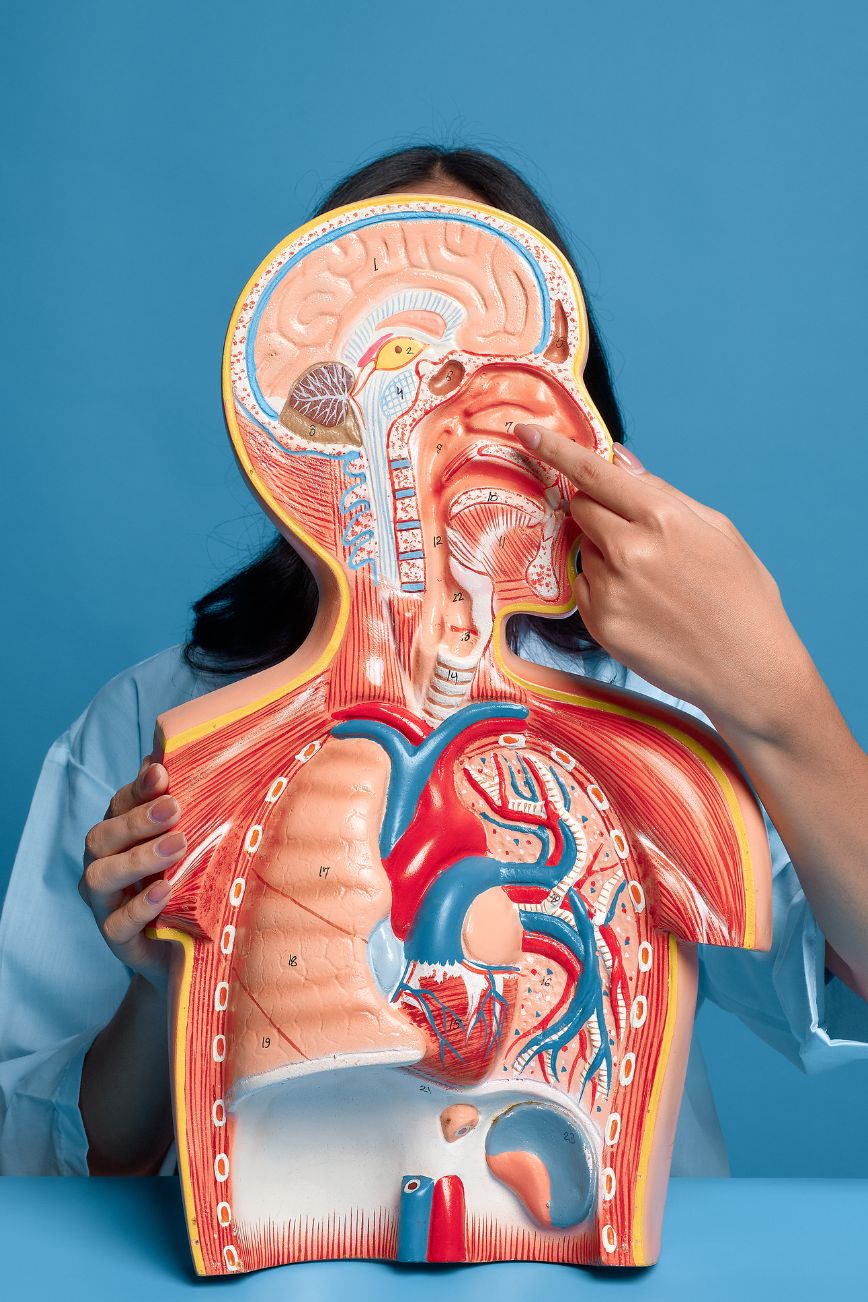
You’re on the subway platform at 34th Street, and everyone around you seems to be breathing normally. You, meanwhile, are doing that thing you always do: mouth slightly open, one nostril doing all the work, a faint whistle on the inhale that you’ve stopped noticing because it’s been there for as long as you can remember. At night it’s worse. You wake with a dry mouth, your partner mentions the snoring, and you’ve been through three brands of nasal strips and a small fortune in decongestant.
Most people in this situation assume they have allergies, or a permanent cold, or that they’re just “a mouth breather.” But for a surprising number, the real issue isn’t what’s happening inside the nose. It’s the shape of the nose itself. Here are the signs that your nasal structure, rather than your sinuses or your environment, may be the thing getting in the way of a full breath.
First, Know That You’re Not Unusual
A nose that isn’t perfectly built is the norm, not the exception. According to the Cleveland Clinic, about 8 out of 10 people have a nasal septum that’s at least a little off-center.
For most, that slight deviation causes no trouble. But when the septum is crooked enough, or when other structures such as the nasal valves or turbinates are involved, airflow gets restricted in ways that are easy to live with and easy to misdiagnose. The following signs are worth paying attention to.
You Breathe Better Through One Side Than the Other
This is the classic sign. Press one nostril closed and breathe in; then switch. If one side feels noticeably tighter every time, regardless of season or time of day, the cause is likely structural. Nasal congestion from allergies or a cold tends to shift from side to side and comes and goes. A blockage that always lives on the same side points to the shape of the septum or the internal wall of the nose.
Decongestants and Allergy Meds Don’t Fix It
Sprays, antihistamines, and rinses reduce swelling in the soft tissue lining the nose. They can’t move cartilage or bone. If you’ve tried the full arsenal and still feel blocked, or if relief lasts only briefly before the stuffiness returns, medication may be treating the wrong problem. Many people spend years cycling through products before someone suggests looking at the structure instead.
Your Nose Collapses When You Inhale Sharply
Take a quick, deep breath in through your nose. If the sides of your nose pinch inward or feel like they’re closing off, you may have nasal valve weakness or collapse. The nasal valve is the narrowest part of the airway, and if the cartilage supporting it is weak, narrow, or was affected by a previous injury or surgery, it can fold in under the pressure of inhaling. This often shows up during exercise, when the body is demanding more air than the nose can deliver.
You Snore, Sleep Poorly, or Wake With a Dry Mouth
When the nose can’t move enough air, the body switches to mouth breathing at night. The result is snoring, a dry mouth and throat in the morning, restless sleep, and daytime tiredness that has nothing to do with how many hours you were in bed. Structural obstruction can also contribute to sleep-disordered breathing, which is worth taking seriously for reasons well beyond comfort.
Recurring Sinus Infections or Pressure Headaches
A blocked or narrowed passage doesn’t drain well. Mucus pools, bacteria settle in, and infections come back again and again. Chronic sinus pressure across the cheeks, forehead, or behind the eyes, especially if it’s worse on one side, can be a downstream effect of a septum or turbinate problem rather than a primary sinus condition.
You Had a Nose Injury, Even a Long Time Ago
A broken nose from a childhood fall, a sports collision, or a car accident can shift the septum or weaken the cartilage without changing how the nose looks from the outside. Many people don’t connect breathing trouble in their thirties to a bump on the nose they took at twelve, but the link is common.
What Evaluation and Treatment Actually Look Like
If several of these signs sound familiar, the next step is an evaluation by a specialist who looks at both function and structure, usually with a physical exam, a look inside the nose with a small scope, and sometimes imaging. When the problem is structural, medication won’t resolve it, but surgery often can. For someone considering functional rhinoplasty in NYC with Dr. Lisiecki, that process starts with identifying exactly which structures are restricting airflow, whether that’s a deviated septum, collapsing nasal valves, enlarged turbinates, or a combination.
Because the internal and external anatomy of the nose are closely connected, functional correction can sometimes be combined with cosmetic refinement in a single procedure when desired. The goal is to restore comfortable breathing while maintaining a natural-looking result, with both functional and aesthetic considerations planned together from the beginning.
Questions worth asking at any consultation:
- Which specific structures are causing my obstruction?
- Is surgery necessary, or are there non-surgical options worth trying first?
- What will recovery involve, and when will I notice a difference in breathing?
- Will the shape of my nose change, and can I have input on that?
A good consultation should leave you with a clear understanding of what is causing the problem, what your treatment options are, and what results you can realistically expect.
Small Things That Help in the Meantime
Structural issues need structural fixes, but a few habits ease symptoms while you sort out next steps:
- Sleep with your head slightly elevated
- Use a humidifier in dry, heated apartments
- Rinse with saline to keep passages clear of irritants
- Try external nasal strips at night to hold the valve area open
- Avoid overusing decongestant sprays, which can make congestion worse over time
If breathing problems persist despite these measures, a specialist evaluation can help determine whether an underlying structural issue is contributing to your symptoms.
Conclusion
The signs that your nasal structure may be affecting your breathing tend to hide in plain sight: one side that’s always tighter, medication that never quite works, a nose that pinches shut when you inhale hard, snoring and dry mouth in the morning, sinus infections that keep returning, or an old injury you’d forgotten about.
Since most people have at least a slightly off-center septum, some restriction is common, but living with the effects doesn’t have to be. A proper evaluation can pinpoint exactly what’s in the way, and when the cause is structural, correcting it can turn breathing from something you work at into something you stop noticing altogether, which is exactly how it should be.


Leave a Reply