Straightening teeth in adulthood feels like migrating a live database while maintaining complete system uptime. When your bite shifts out of balance over decades, uneven pressure wears down enamel, strains jaw joints, and accelerates gum recession.
Achieving a stable smile requires evaluating root staging and compliance rather than focusing solely on transparent trays. If you are exploring clinical options for invisalign treatment in Singapore dental teams provide, reviewing how attachment staging directs three-dimensional force gives you an objective baseline for your timeline. Planning early protects your alveolar bone while keeping tooth movement predictable.
The Mechanics of Digital Force Staging
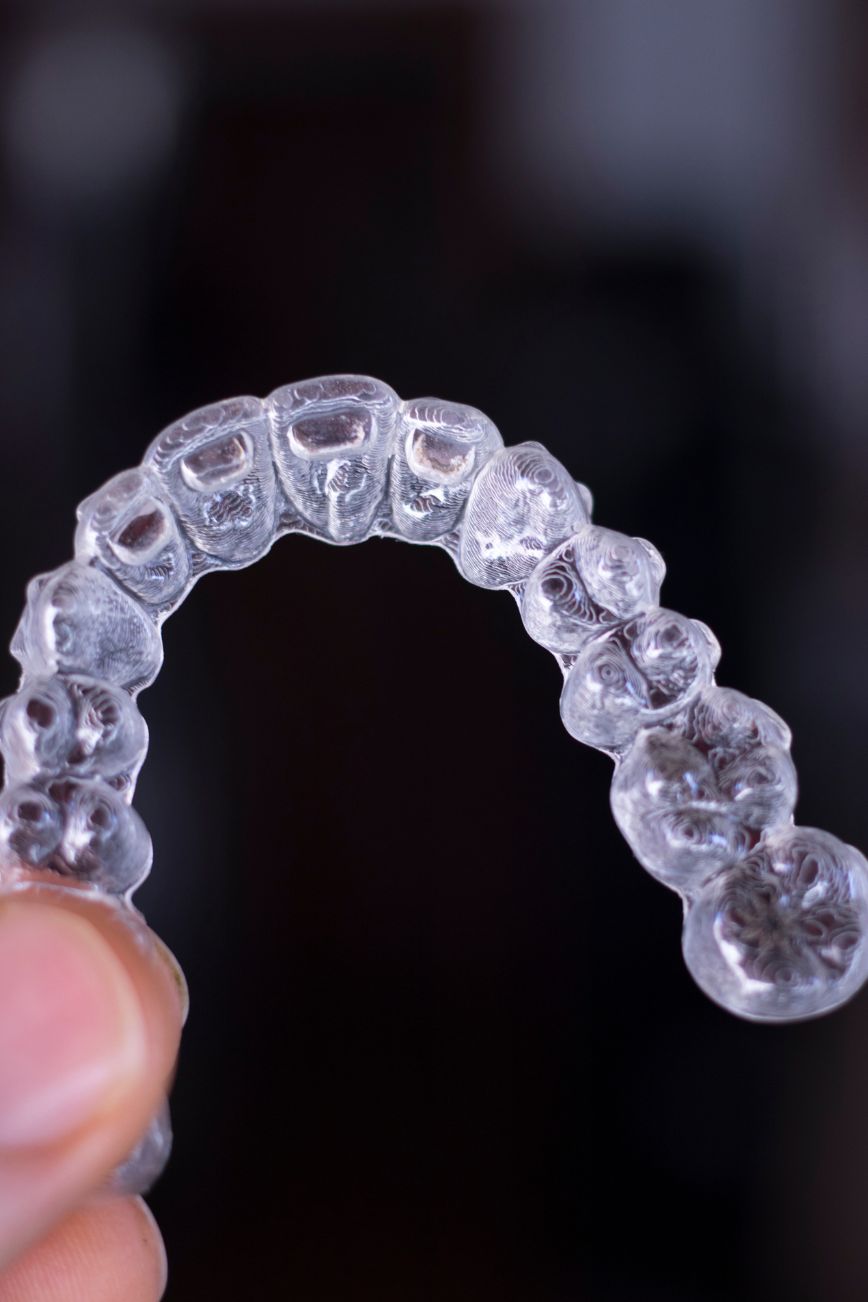
Clear aligners do not move roots through simple surface tension; they rely on calibrated physical leverage. Because slippery plastic trays cannot grip wet enamel on their own, orthodontists bond small, tooth-coloured composite resin attachments to specific teeth.
These microscopic attachments function as directional anchor points. When a fresh tray clips over them, the plastic exerts controlled rotational and vertical forces on the root apex deep within the alveolar bone. Over two-week intervals, osteoclast cells absorb bone tissue on the compression side while osteoblast cells build fresh bone on the tension side, safely securing the root in its new position.
Removable Convenience versus Attachment Grip
Standard guides often promote clear aligners as invisible devices requiring zero lifestyle changes. The non-obvious trade-off is that achieving difficult root movement demands placing raised composite attachments across your front teeth.
Choosing clear aligners trades smooth enamel for raised composite grips and strict twenty-two-hour daily wear discipline. Leaving trays out for three to four hours a day halts continuous force. Teeth rapidly rebound toward original positions, causing trays to lose their grip and requiring refinement scans that add months to your schedule.
The Premature Tray Advancement Mistake
A very common and expensive mistake adult patients make is switching to their next aligner tray ahead of schedule. People fall into this trap because they assume that changing trays every five days instead of the prescribed ten to fourteen days will fast-track their final results.
In reality, bone remodelling cannot be rushed. While tooth crowns tilt forward quickly, supporting bone requires at least ten days to rebuild cellular support. Forcing a fresh aligner over unready teeth creates visible air gaps. Once tracking fails, attachments unseat from their plastic pockets, forcing your dentist to discard remaining trays and order an entirely new series.
Calculating Real Two Year Alignment Economics
Let us examine a concrete worked example comparing an unmonitored mail-order aligner kit against a supervised clinical aligner protocol over twenty-four months. Consider an individual who buys a direct-to-consumer clear tray kit for 2,200 dollars to save money upfront.
Because remote kits lack attachments and cannot adjust bite contacts, two upper premolars tip into traumatic collision. Repairing this malocclusion requires eighteen months of clinical re-treatment costing 6,400 dollars, alongside 1,200 dollars for bite equilibration, bringing total spending to 9,800 dollars. In contrast, an initial clinical protocol costing 6,500 dollars includes 3D scans, monitoring, and retainers. Sourcing a supervised protocol upfront saves 3,300 dollars while protecting teeth from irreversible trauma.
Core Daily Habits for Clean Tracking
Ensuring steady tooth movement while keeping your enamel spotless requires establishing simple, repeatable operational habits throughout your daily routine. Treating your aligner routine like a disciplined schedule keeps your treatment on track.
Incorporate these practical operational habits into your daily schedule:
- Clean teeth before reseating your trays: Brush and floss thoroughly after every meal to avoid sealing food sugars and bacteria beneath plastic trays.
- Use silicone seating chewies daily: Bite down firmly on cylindrical chewies for five minutes each morning and evening to fully engage attachment grips.
- Store trays in protective cases immediately: Keep aligners inside a ventilated travel case whenever eating to prevent accidental breakage or loss.
A Clear Rule for Tray Tracking
You do not need an orthodontic degree to know whether your teeth are tracking properly inside your clear aligners. You can apply a straightforward decision rule called the zero-gap contact check before advancing to your next tray set.
Stand in front of a mirror under bright lighting and inspect the biting edges of your front teeth while wearing your current aligners. If the clear plastic sits completely flush against every tooth edge with zero visible air space, your roots are moving on schedule and you may safely switch to the next set. If you see visible air gaps wider than one millimetre between the plastic and any tooth, do not switch trays; wear your current set for four additional days and contact your clinic to prevent losing attachment tracking.
Straightening adult teeth is ultimately about building a strategy that respects root movement mechanics and jaw health. By avoiding mail-order shortcut kits, sticking to daily wear schedules, and checking aligner tracking regularly, you protect both your oral health and your finances. Approach your orthodontic planning with calm strategy, rely on clinical facts, and move forward with quiet confidence in your care plan.




Leave a Reply