Evolution granted Homo sapiens the unique ability to walk upright, but gravity extracts a heavy toll for this privilege. The entire weight of your internal organs presses down on the fragile vascular network resting at the base of your pelvis. For millennia, humans squatted briefly in the woods to empty their bowels, engaging their muscles naturally and quickly.
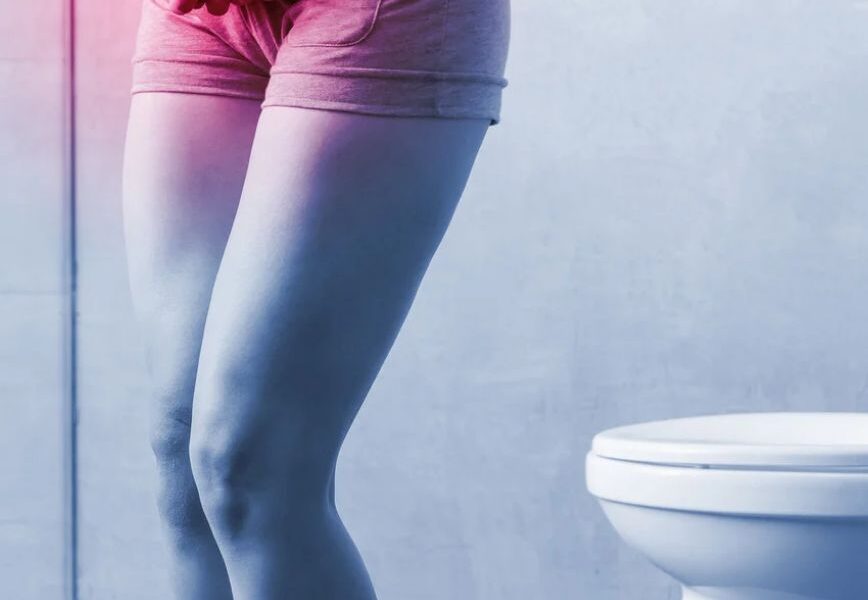
Today, we sit on porcelain thrones for twenty minutes, reading glowing screens, applying immense and entirely unnatural downward pressure on the delicate venous cushions in our lower rectum. The vessels swell, stretch, and eventually bleed. The instinct of modern man is to seek an aggressive surgical fix for a mechanical problem caused purely by lifestyle. If you are frightened by the blood and researching a piles treatment in Singapore clinic, you must first understand the asymmetric risks involved in tampering with this anatomy.
The Mistake Of Naive Intervention
The most catastrophic mistake you can make is demanding a surgical excision for a mild, early-stage haemorrhoid. Patients panic at the sight of bright red blood and demand the doctor simply cut the offending tissue away.
This is the ultimate naive intervention. These vascular cushions are not useless anomalies; they are highly sensitive biological seals that help you differentiate between solid, liquid, and gas. Amputating a grade one or grade two haemorrhoid subjects you to weeks of excruciating agony and risks creating permanent strictures, where the scar tissue shrinks and narrows the anal canal. You destroy a vital sensory organ to fix a problem that merely required less pressure.
The Rubber Band Asymmetry
When intervention is truly necessary, you must seek the highest payoff with the lowest biological risk. Most lifestyle blogs suggest soothing creams are the only alternative to the knife. The real answer is rubber band ligation, a procedure that exploits the natural fragility of the swollen vein.
Instead of cutting tissue, the doctor uses a small device to slip a tight rubber ring around the base of the internal haemorrhoid. This cuts off the blood supply instantly. Within five to seven days, the swollen tissue simply withers and falls off into the toilet, leaving a small, natural scar that anchors the remaining tissue upward. You trade the agony of an open surgical wound for a dull ache that lasts exactly twenty-four hours.
The Trap Of The Donut Cushion
When dealing with the pain of swollen veins, people rush to buy inflatable donut cushions to sit on at their office desks. This seems like a perfectly logical way to relieve pressure on the area.
In reality, sitting on a donut cushion is a massive mechanical error. The hole in the centre of the cushion leaves the perianal area entirely unsupported. As gravity pulls your body weight down, the hole acts like a vacuum, pushing the inflamed veins further out of the body and severely restricting blood return. You must throw the donut away and sit on a flat, firm surface to keep the tissue properly compressed.
Reading The Blood Signs
You need a concrete way to assess the severity of your situation without immediately assuming you have a terminal disease. You must learn to read the biological evidence left in the bowl.
- Bright, vivid red blood dripping into the water after a hard bowel movement is highly indicative of a tearing haemorrhoid.
- Blood that only appears on the toilet paper is typically a shallow fissure in the skin.
- Dark, maroon blood that is mixed deeply into the stool itself implies bleeding from higher up in the colon, demanding an immediate colonoscopy.
The Posture Heuristic For Toilets
You cannot cure a mechanical disease if you refuse to change the mechanical environment that created it. You need a strict, unbreakable heuristic for your daily bathroom habits.
Apply the three-minute rule. You enter the bathroom, leave your mobile phone in another room, and sit down. If your bowels do not move within three minutes, you stand up and leave. You do not force it, and you do not wait. Straining against a closed system forces blood into the fragile veins, blowing them up like tiny balloons. By adopting a posture of brief, natural function, you remove the physical stress and allow the resilient tissue to slowly repair itself.

Leave a Reply