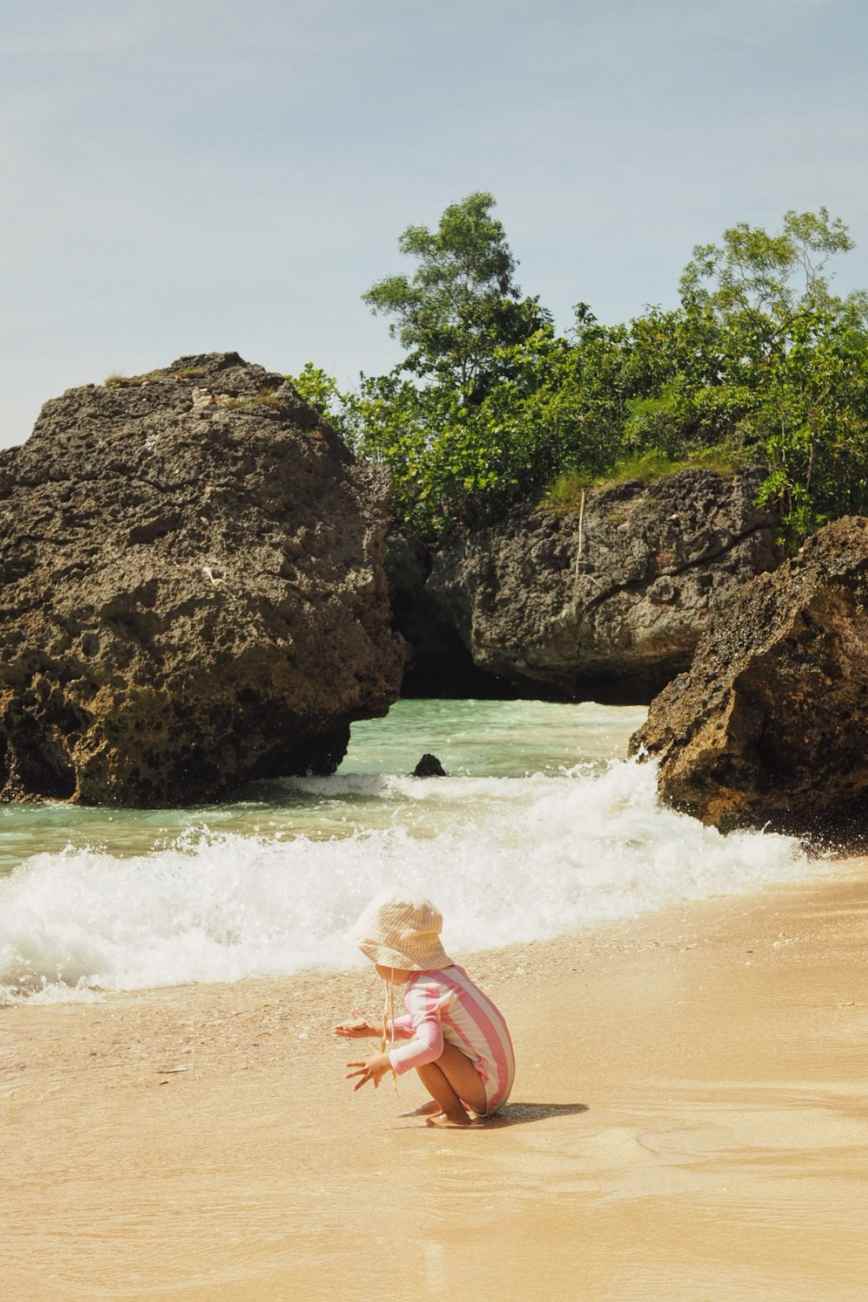
There is something nice about watching children get so involved in playing outside that they forget to ask an adult what they should do next. Remember those days? We would go outside and just play. Even when we were by ourselves. My little brother would spend hours on the front porch on his own playing with his little cars. No one else, just him and those cars. Our mom would tell him to stay on the porch where she could see him through the screen and he would always say, “Okay Mommy, I will stay right here.” He never left the porch. Kids don’t do things like that much anymore.
I know they can’t really stay alone outside anymore but I feel like it is important that they learn to just play on their own. It helps broader their imagination and creativity levels. One minute they’re digging in the dirt. Ten minutes later, the dirt has become a construction site, three sticks have important jobs, and a rock has somehow become part of an elaborate story nobody else understands.
That kind of independent play is good for children, but it doesn’t always happen automatically. Kids who are accustomed to structured activities or plenty of indoor entertainment may need a little help figuring out what to do when they’re sent outside. The answer usually isn’t planning more activities for them. It’s creating an outdoor space where they’re safe, comfortable, and free to come up with their own ideas.
Start With a Space Where They Can Actually Play
Children are more likely to play independently when adults aren’t constantly telling them to be careful with everything around them. I mean don’t turn them loose to run amuck in the backyard if it is full of dangerous items. Instead, create an area where normal kid behavior is expected. Balls can roll across the ground. Chalk can cover the pavement. Toys can be moved around. A little water can spill without creating a crisis.
For families who spend a lot of time outside, having a comfortable area for adults nearby can help too. A patio, porch, or outdoor composite decking area can give parents a place to sit while children play within sight.
Independent play doesn’t mean unsupervised play. Younger children still need appropriate adult supervision, especially around water, roads, climbing equipment, pets, and other potential hazards. The goal is to give them room to direct their own play without an adult directing every minute of it.
Put Outdoor Toys Where Kids Can Reach Them
If children have to ask an adult every time they want a ball, bucket, or piece of sidewalk chalk, their play isn’t going to be very independent. So a simple outdoor storage bin can make a big difference. Fill it with things they already enjoy. Balls, bubbles, chalk, buckets, toy trucks, gardening tools made for children, and outdoor-safe toys don’t require complicated instructions.
You don’t need to fill the yard with expensive equipment either. Sometimes a bucket and a shovel will keep a child occupied longer than the toy you spent an hour putting together. Cardboard boxes can become garages. Sticks become tools. Rocks become treasure. Children are very good at assigning important jobs to ordinary objects.
Give Them Things That Move
Outdoor play becomes much more interesting when children can move in different ways. Bikes, scooters, balls, wagons, and age-appropriate ride-on toys give children a reason to explore a safe outdoor space.
Older children may be interested in larger recreational vehicles such as a can am kids buggy, but parents should pay close attention to the manufacturer’s age recommendations, required protective equipment, safe riding areas, and adult supervision requirements. Motorized recreational vehicles are very different from ordinary backyard ride-on toys and should be treated accordingly.
For younger children, even a basic pedal toy can create an entire afternoon of pretend play. You can draw roads with sidewalk chalk. Add parking spaces. Let them make a pretend shop or drive-through. Then leave the story to them. You may discover they’re going to work, visiting Grandma, delivering a package, or taking a stuffed animal to the doctor. Don’t worry if none of it makes sense to you. You’re not in charge of transportation.
Resist the Urge to Fix Boredom Immediately
“I’m bored.” Those are two words that you are certainly going to hear at some point. They are also the two words that will send an adult scrambling for entertainment. Growing up we didn’t always have that. How many of your parents just said “Find something to do”. That was it and we usually did. Now, with small children you can’t always say that.
What you can do is give them a few minutes. Sometimes it takes them a minute or two to move onto something else and if you just wait they will. This not only helps keep them strengthen independent play, it helps them figure things out for themselves. If they don’t move on you can nudge them gently with things like “You can see what’s in the outdoor toy box.”
Don’t Make Every Outdoor Activity Educational
Yes, we want our children to learn but sometimes they just need to be kids. They learn when they play regardless. They are learning if that stick will fit across the hole they dug. They are experimenting when they pour water from one container into another.
Although sometimes that hole is just a hole and that is alright too. We don’t have to put our agenda and need to have them learning every second of the day onto them. With independent play you will be surprised at what they do actually learn.
Rotate Outdoor Toys
Make sure that you rotate out the outdoor toys instead of just buying more. You don’t necessarily need more toys. Take some toys and put them away to limit the number of toys available each day. That way they aren’t bouncing between all of them without being interested in any of them.
When you put some away the bubble mower is suddenly interesting and fun again after not having it for a few days or even a week. It keeps the toys you have a fresh and new experience without spending any money. This works surprisingly well with indoor toys too, which is useful information considering how quickly toys seem to multiply when nobody is looking.
Make Outside Part of the Normal Day
Outdoor play doesn’t have to be a special event. In fact, children may become more comfortable playing independently when going outside is simply part of everyday life. After breakfast, everyone might spend some time outside before the day gets hot. Late afternoon might be another natural time for backyard play.
Some days they’ll stay interested for a long time. Other days they’ll be ready to come inside after fifteen minutes. That’s fine. The goal isn’t to meet a required number of outdoor hours or create a picture-perfect childhood summer. It’s to make outside a familiar place where children know how to entertain themselves. Give them a safe place, a few things to work with, and enough time to come up with an idea. Then try not to be surprised when the empty cardboard box becomes more important than every outdoor toy you bought.


Leave a Reply