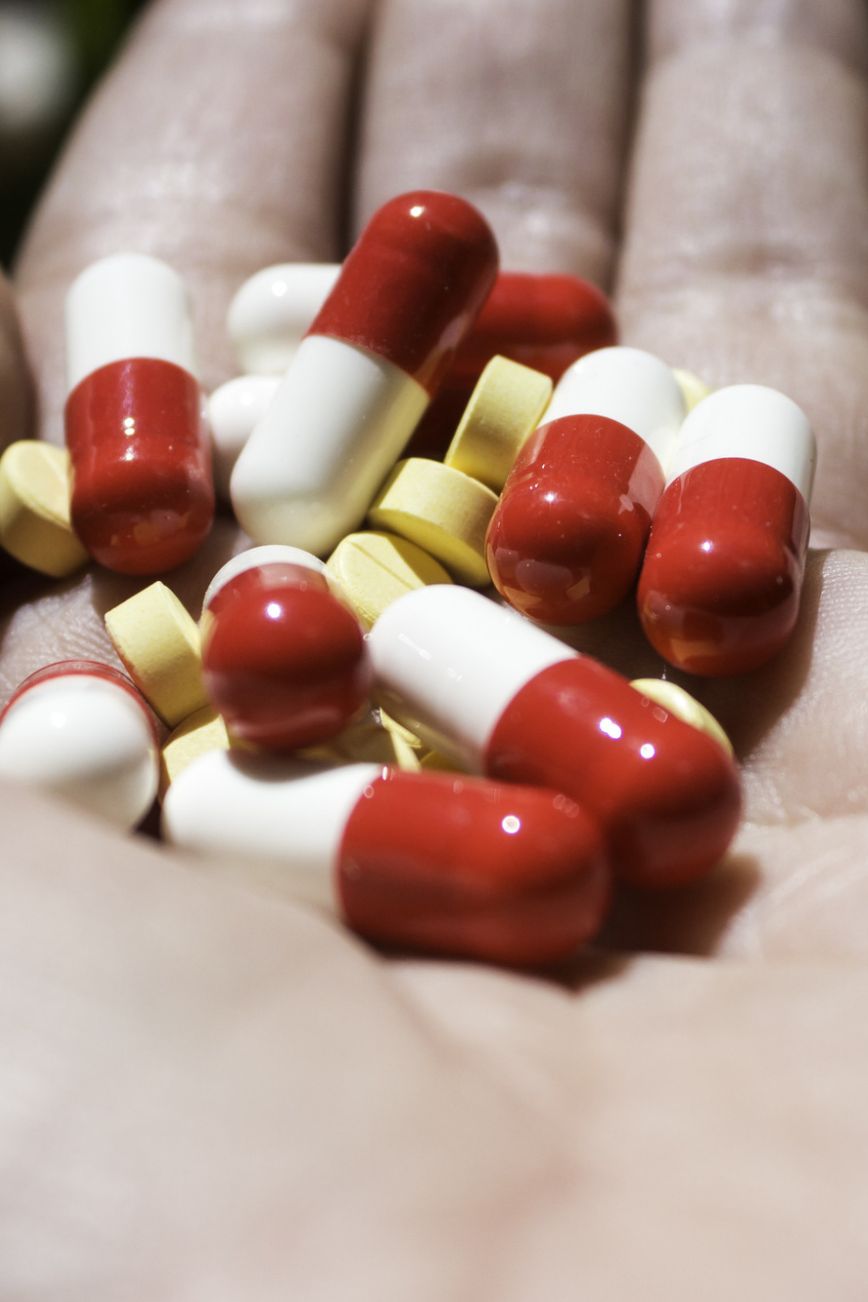
The hardest part of asking for help is often the second question. The first one, “Can I stop?”, gets answered with a yes from anyone who cares about you. The second one, “How?”, gets a dozen conflicting answers: just quit, go to meetings, go away for a month, white-knuckle it, pray. Somewhere in that noise is a phrase that sounds clinical and a little intimidating, medication-assisted treatment, and it’s the one with the strongest evidence behind it for opioid and alcohol use disorders.
If you or someone you love is exploring medication-assisted treatment on Long Island, this guide explains what it actually is, what the medications do, why it’s paired with counseling, and how it can support a lasting recovery.
Most People Who Need It Aren’t Getting It
The gap between who could benefit and who receives treatment is wide. According to the Centers for Disease Control and Prevention, an estimated 9.4 million U.S. adults needed treatment for opioid use disorder in 2022, but only about 55 percent received any treatment and only 25 percent received medications for the condition, with more than 40 percent not perceiving that they needed treatment at all.
Part of that gap is stigma, part is access, and part is simply not knowing what the treatment involves. That last part is fixable.
What Medication-Assisted Treatment Is
Medication-assisted treatment, often shortened to MAT, is the use of FDA-approved medications, combined with counseling and behavioral therapies, to treat substance use disorders. It is most established for opioid use disorder and alcohol use disorder.
The key word is “assisted.” The medication isn’t the whole treatment; it’s the part that stabilizes the brain and body so the rest of treatment can work. Addiction changes brain chemistry, and the cravings and withdrawal that follow are physiological, not a failure of willpower. MAT addresses the physiology directly.
How the Medications Work
For opioid use disorder, three medications are approved:
- Buprenorphine partially activates the same receptors opioids do, enough to prevent withdrawal and cravings but with a ceiling that limits euphoria and overdose risk. It’s often prescribed as a daily film or tablet, or a monthly injection
- Methadone fully activates opioid receptors at a controlled, steady dose, preventing withdrawal without the highs and lows of misuse. It’s dispensed through specialized programs
- Naltrexone blocks opioid receptors entirely, so opioids have no effect. It’s given as a monthly injection after detox is complete
For alcohol use disorder:
- Naltrexone reduces the rewarding effect of alcohol and the craving for it
- Acamprosate helps restore brain chemistry disrupted by long-term drinking and eases post-withdrawal discomfort
- Disulfiram causes an unpleasant reaction if alcohol is consumed, acting as a deterrent
Which medication fits depends on the substance, the person’s history, other health conditions, and preferences, and it’s a decision made with a medical provider.
Why the Counseling Matters
Medication quiets the physical storm; counseling addresses everything the storm was covering. Evidence-based therapies used alongside MAT include:
- Cognitive behavioral therapy to identify triggers and change patterns of thinking and behavior
- Motivational interviewing to strengthen a person’s own reasons for change
- Contingency management, which rewards progress with tangible incentives
- Family therapy to repair relationships and build support at home
- Group therapy and peer support for connection and accountability
- Treatment for co-occurring conditions such as depression, anxiety, PTSD, and bipolar disorder, which frequently travel with addiction
Without this work, medication alone leaves the causes untouched. Without medication, counseling is often fighting a body that can’t sit still long enough to engage.
Where It Fits in the Stages of Recovery
MAT isn’t a single event. It threads through the whole process:
Detox and stabilization. Medically supervised withdrawal, where medications ease symptoms safely and the person is evaluated for ongoing treatment. Many people begin buprenorphine or methadone at this stage.
Residential or inpatient care. A period of structured treatment, often several weeks, where medication is adjusted, counseling is intensive, and co-occurring conditions are addressed. Programs that offer medication assisted treatment in Long Island typically begin it during detox and continue it through residential care with ongoing medical and psychiatric oversight.
Wellbridge, for example, provides medically supervised detox and residential treatment on a dedicated campus, combines medication with cognitive behavioral therapy, family therapy, and group work, and was founded in partnership with a major health system to integrate research into care. Whatever program you consider, ask whether MAT is available from the first day, who manages the medication, and how it continues after discharge.
Outpatient care and aftercare. After residential treatment, medication continues under an outpatient prescriber while therapy, support groups, and alumni programs maintain momentum.
Long-term maintenance. Many people remain on medication for months or years. That’s not a sign treatment failed; it’s the same logic as managing any chronic condition.
Common Misunderstandings
Medication-Assisted Treatment (MAT) is often misunderstood, but separating myths from facts is essential to understanding its role in recovery.
- “It’s just replacing one drug with another.” Medications used in MAT are prescribed, dosed, and monitored to stabilize, not to produce a high. The evidence shows they reduce overdose deaths, illicit use, and relapse
- “You have to get off it to be really sober.” Recovery is measured by a life rebuilt, not by whether a prescription ends. Tapering is a decision made with a provider, when and if it’s appropriate
- “It’s only for severe cases.” MAT is appropriate across the spectrum of opioid and alcohol use disorders
- “It replaces therapy.” It doesn’t; it makes therapy possible
MAT is not a shortcut or a substitute for recovery—it’s an evidence-based tool that supports healing, reduces risks, and helps people build healthier, more stable lives.
Questions to Ask a Treatment Program
Choosing the right treatment program is an important step toward recovery. Asking the right questions can help you understand your options and ensure you receive safe, personalized, and comprehensive care.
- Which medications do you offer, and who prescribes and monitors them?
- Can I start medication during detox?
- What therapies accompany the medication?
- How are co-occurring mental health conditions treated?
- What does the plan look like after I leave, including the prescriber I’ll see?
- Is the program licensed and accredited, and does it accept my insurance?
The right treatment program should offer clear answers, qualified professionals, and a plan that supports your recovery beyond treatment. Remember, informed choices can help you take the next step toward lasting wellness.
Conclusion
Medication-assisted treatment supports addiction recovery by treating the physical side of substance use disorder, the cravings and withdrawal that drive relapse, with proven medications, while counseling, therapy, and peer support address the reasons behind it and build a different life.
It runs through every stage, from detox to residential care to long-term maintenance, and it works best in programs that integrate medical, psychiatric, and therapeutic care under one plan. With millions of people who need treatment never receiving it, and only a quarter of those with opioid use disorder getting medication, the most important step is often simply understanding that this option exists, that it’s evidence-based, and that asking “how” has a real answer.




Leave a Reply