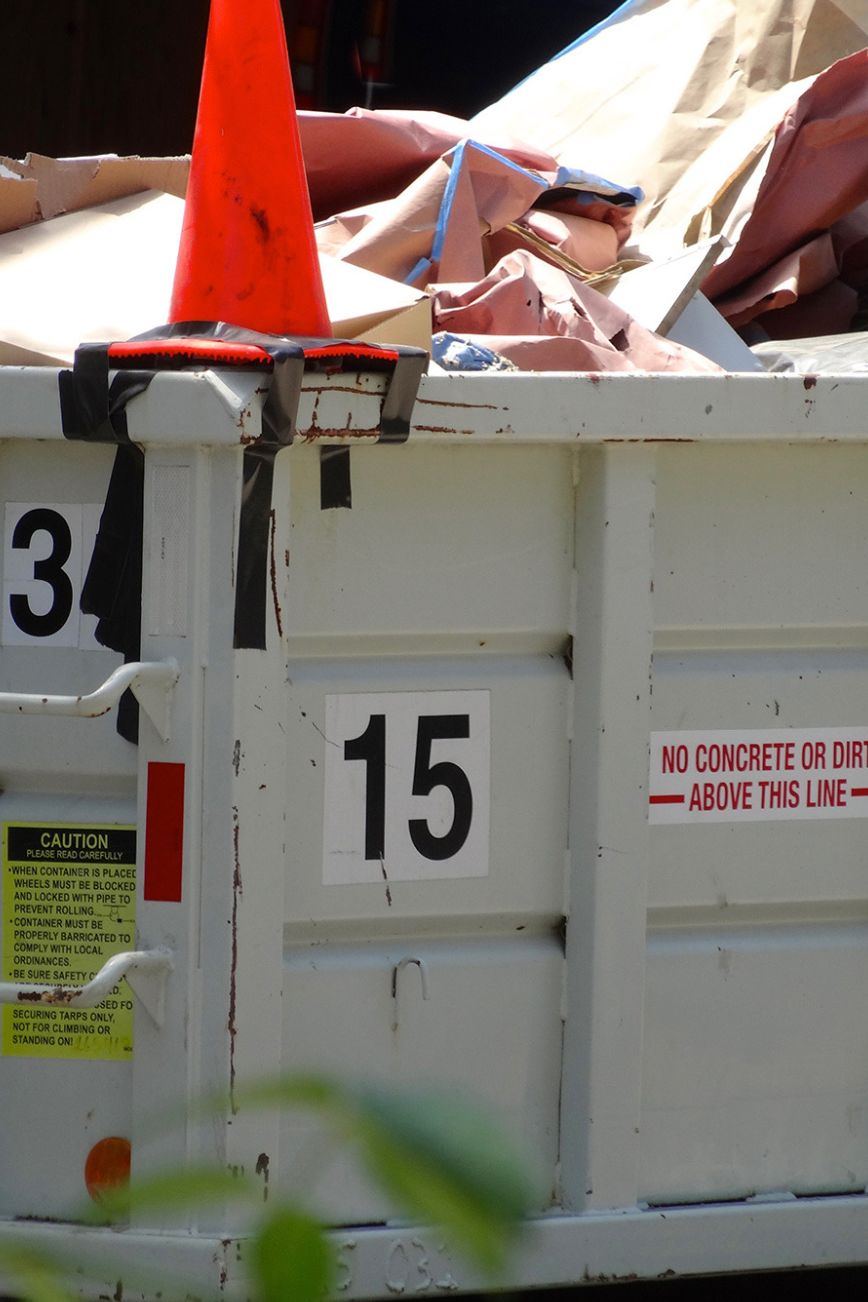
Picture a Saturday morning when a homeowner finally decides to clear out an overflowing garage before putting the house on the market. Boxes, broken furniture, and renovation scraps quickly turn a simple weekend cleanup into a major project. Renting a dumpster in NY seems like an easy solution, but unexpected weight charges, delayed deliveries, or driveway damage can create additional problems.
The right rental company should make waste removal easier, not more complicated. Before booking a roll-off container, homeowners and contractors should check a few important details to avoid unexpected expenses, protect their property, and keep their projects on schedule.
Why Careful Preparation Matters Before Booking a Container
Home cleanouts, landscaping projects, and remodeling jobs often generate more debris than standard curbside trash collection can accommodate. However, dumpster rental companies differ in their container options, weight allowances, disposal policies, and delivery services.
The U.S. Environmental Protection Agency’s guidance on construction and demolition materials highlights the importance of reducing, reusing, and recycling building materials wherever possible. Understanding how a rental company handles different waste types can help you plan disposal responsibly while keeping your project organized.
Confirm Container Sizes, Weight Limits, and Prohibited Items
Choosing the wrong dumpster size can increase your project expenses. A container that is too small may require an additional pickup, while an oversized option can take up unnecessary space on your property.
When comparing options for dumpster rental in Hampton Bays, NY, ask the provider about these essential details:
- Available container sizes: Look for a company offering multiple roll-off options, such as 6-yard, 10-yard, 15-yard, 20-yard, 30-yard, and 40-yard containers. Smaller sizes work well for limited cleanouts, while larger options accommodate extensive renovations and construction projects.
- Included weight allowances: Find out how much debris the rental price covers and what additional charges apply if you exceed the limit. Materials such as concrete, brick, dirt, and roofing shingles can add substantial weight.
- Restricted materials: Ask which items cannot go into the container. Hazardous waste, chemicals, batteries, tires, and certain other materials may require specialized disposal.
- Rear loading doors: Check whether the dumpster has a walk-in rear door. This feature makes loading heavy furniture, appliances, and bulky debris easier without lifting everything over the container walls.
Check Driveway Protection and Local Placement Permits
A heavy roll-off dumpster can damage asphalt, crack pavers, or leave marks on concrete if it is placed improperly. Before delivery, discuss how the company protects residential surfaces and handles placement requirements.
Consider these practical site preparations:
- Protective wood boards: Ask whether the driver places wooden boards beneath the dumpster’s wheels or contact points to reduce the risk of driveway scratches and pressure damage.
- Delivery clearance: Measure your driveway entrance and check for low-hanging branches, overhead power lines, narrow gates, or other obstacles that could interfere with the delivery truck.
- Street placement permits: If your driveway cannot accommodate the container, check local regulations before arranging placement on a public street or sidewalk. Contact the appropriate town department to confirm whether a permit or other approval is necessary.
Compare Transparent Pricing and Rental Flexibility
Unexpected delays are common during home renovations and major cleanouts. Weather conditions, contractor schedules, or additional debris discovered during a project can extend the rental period.
Review these pricing and scheduling details before agreeing to a rental:
- Itemized pricing: Request a written estimate that explains delivery, pickup, disposal charges, included weight, potential overage fees, taxes, and any additional costs.
- Flexible rental periods: Confirm how many days are included in the standard rental agreement and whether you can extend the period if your project takes longer than expected.
- Reliable delivery and pickup: Ask about available delivery windows and how much notice is required to schedule collection. A company with sufficient equipment and responsive customer support can help prevent unnecessary project delays.
Conclusion
Hiring the right dumpster rental company can make a home cleanout, renovation, or construction project considerably easier. Checking container sizes, weight allowances, placement requirements, driveway protection, and rental terms beforehand helps prevent unnecessary expenses and scheduling problems. With a little preparation and a clear understanding of the rental agreement, you can keep waste removal manageable and your project moving in the right direction.
Frequently Asked Questions
What size dumpster do I need for a standard garage or basement cleanout?
A 10-yard dumpster is often suitable for a smaller cleanout, while larger projects involving bulky furniture or renovation debris may require a 15-yard or 20-yard container.
How do dumpster rental companies protect my driveway from damage?
Some companies place wooden boards beneath dumpster contact points to help protect driveway surfaces from scratches, marks, and pressure damage.
Do I need a permit to rent a dumpster for my home?
A permit may not be necessary for private-property placement, but requirements vary by location, so check with your local authorities before scheduling delivery.
What items are usually prohibited in a roll-off dumpster?
Commonly restricted materials include hazardous chemicals, motor oil, batteries, propane tanks, tires, and certain electronics, although specific rules depend on the waste hauler and disposal facility.




Leave a Reply