Fall is a gorgeous season, but it sure leaves a mess behind. Leaves pile up, flower beds fade, and your lawn starts gearing up for winter. The good news? A little work now saves you a lot of frustration come spring. So grab your gloves and let’s walk through it together.
Before you dive in, think about where all that debris is going to end up. Bags fill up faster than you’d expect, and many curbside pickup programs have limits on how much they’ll take. If you have a big yard or plenty of mature trees, it might be smart to rent a trailer for yard waste. That way, you can haul everything to a compost facility or drop-off site in one or two trips instead of ten. Trust us, your back will thank you.
1. Rake And Remove Leaves
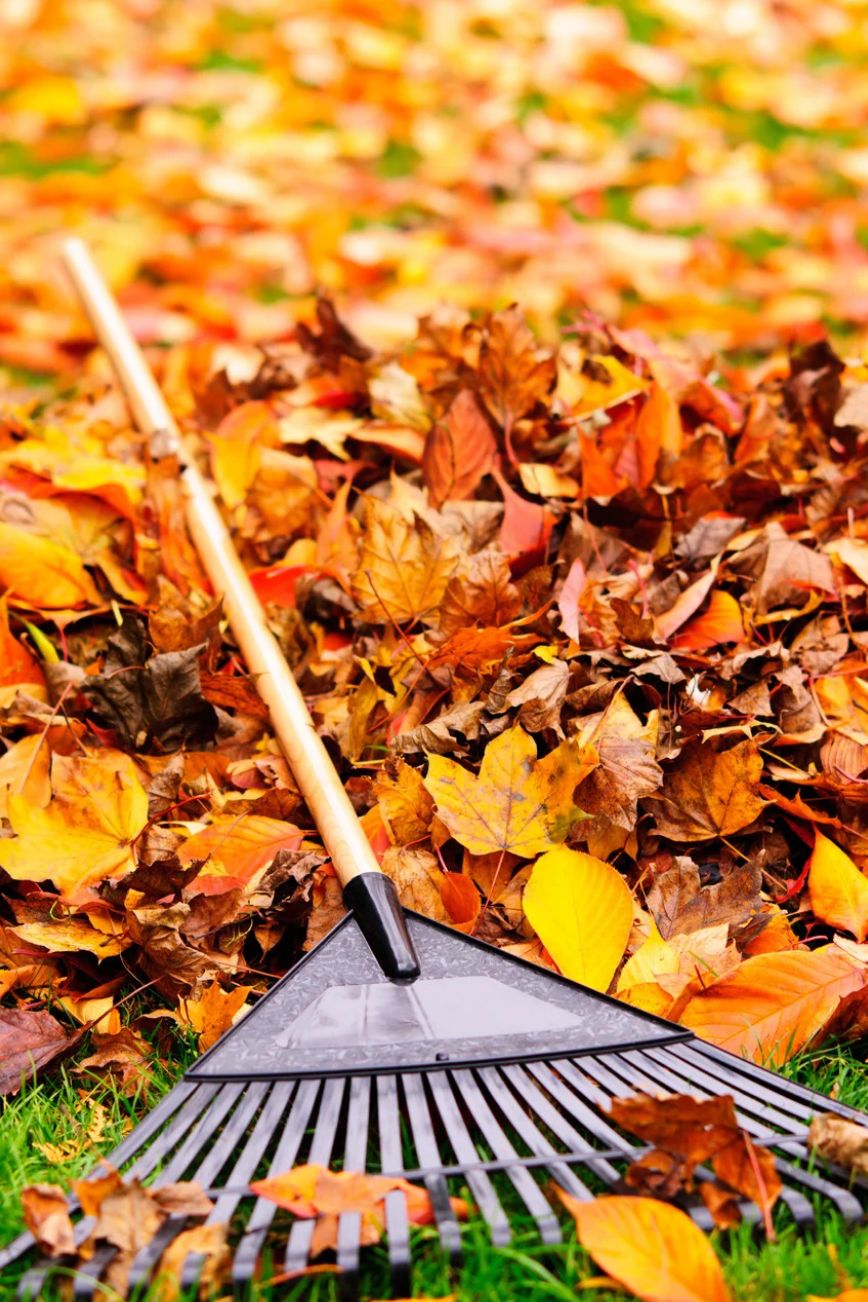
This is the big one. A thick layer of leaves can smother your grass, trap moisture, and invite mold and pests. You don’t have to wait until every last leaf has fallen, either. Raking in a few rounds is much easier than tackling one giant pile in November.
Not a fan of raking? Try running your mower over thinner layers of leaves. The shredded pieces break down quickly and actually feed your soil. Just don’t let them get too deep.
2. Give Your Lawn Some Attention
Your grass is still growing, even as the temperatures drop. Keep mowing until it stops, and lower your blade a notch for the last cut or two. Shorter grass is less likely to mat down under snow.
Fall is also a great time to:
- Aerate compacted soil
- Overseed thin or bare patches
- Apply a slow-release fall fertilizer
These steps help your lawn build strong roots before winter sets in.
3. Clean Out Your Garden Beds
Spent annuals and dead vegetable plants can harbor disease and insects over the winter. Pull them out. If any plants showed signs of disease this year, toss them in the trash rather than your compost pile.
Perennials are a little different. Some can be cut back now, while others are better left standing for birds and pollinators. Seed heads on plants like coneflowers make a nice winter snack for finches. Once beds are tidy, add a fresh layer of mulch to protect roots from freezing.
4. Trim Trees And Shrubs
Take a slow walk around your property and look up. Do you see dead, broken, or overhanging branches? Those can become a real hazard during winter storms, especially if they’re near your roof, driveway, or power lines.
Light trimming is fine for most shrubs this time of year. Hold off on heavy pruning, though. Cutting too much can trigger new growth that won’t survive the cold. And if a branch is too high or too heavy to handle safely, call a pro.
5. Clear Gutters And Drains
It’s not glamorous work. But clogged gutters can lead to water damage, ice dams, and leaks that cost far more than an afternoon on a ladder. Scoop out leaves and debris, then flush the gutters with a hose to make sure water flows freely.
While you’re at it, check your downspouts and any yard drains. You want water moving away from your foundation, not pooling next to it.
6. Store Tools And Protect Outdoor Items
You’re almost done. Now it’s time to put everything away properly so it’s ready to go next year.
Drain and coil your garden hoses, and shut off outdoor spigots to prevent frozen pipes. Clean your tools, sharpen any dull blades, and store them somewhere dry. Patio furniture, cushions, and grills should be covered or moved into a shed or garage.
That’s it. Six steps, one cleaner yard, and a much easier start to spring. Pick a sunny weekend, put on some music, and knock it out.




Leave a Reply