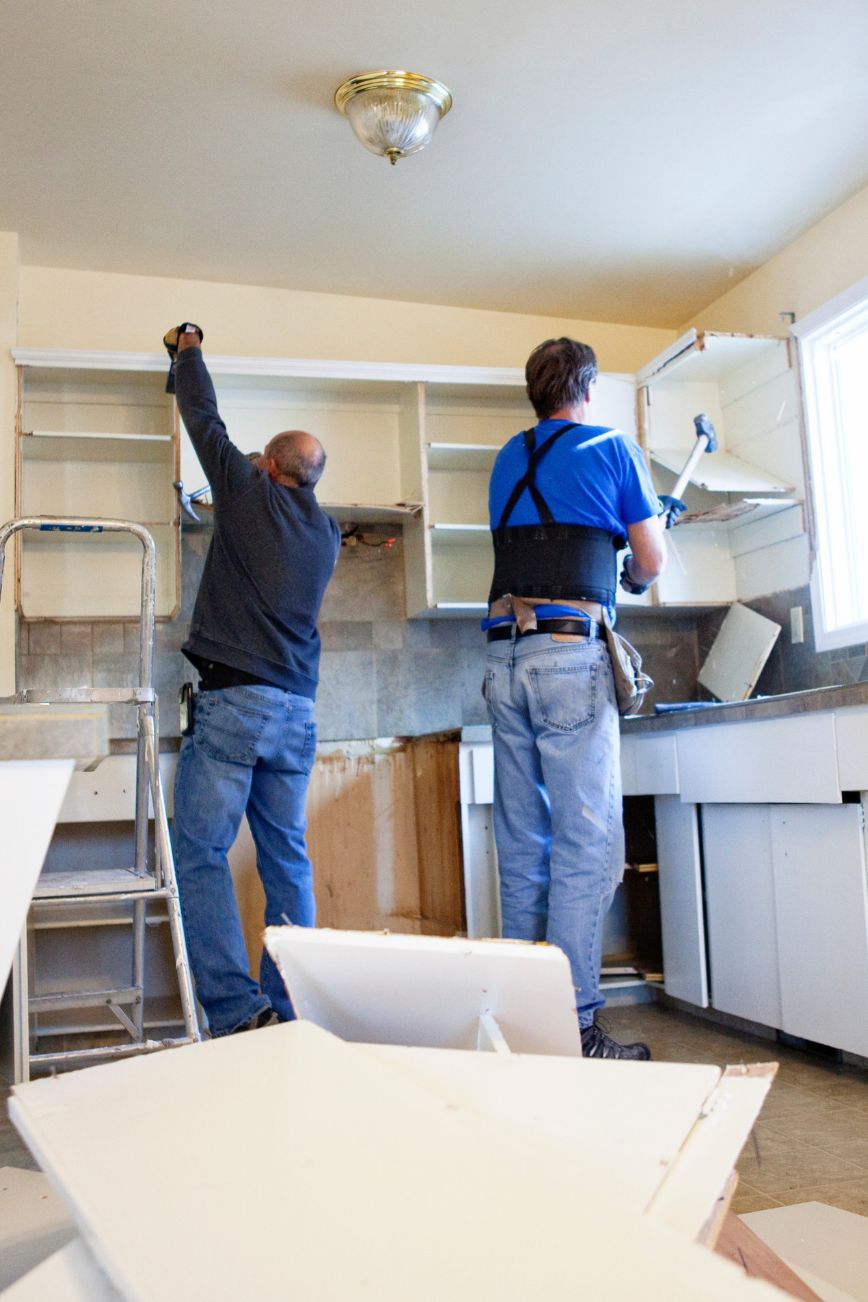
Here is a quick test for any remodeler you meet: can they explain, in plain words, how your budget and your taste will fit into one realistic plan? If the answer is vague, keep looking. In San Diego, where kitchens often open onto patios and living rooms built for year-round entertaining, the room works hard, and the wrong match can mean cost overruns, delays or a finish you never quite love.
This guide walks through a calm way to choose: set your numbers, define your style, decide where to compromise, find candidates, check credentials, compare estimates and spot warning signs. It is general information, not legal or financial advice, so verify details yourself.
Start With a Budget You Can Defend
Before you talk to anyone, decide how much you can comfortably spend, and then split it into parts:
- Design and planning
- Cabinets, countertops and fixtures
- Appliances and lighting
- Labor, permits and cleanup
- A cushion for surprises, such as outdated wiring or hidden damage
Remember the hidden costs of living without a kitchen for a while, like extra meals out. A budget with a built-in cushion gives your remodeler a clear target and keeps stress low when something unexpected appears.
Pin Down Your Style Before You Shop
Style is easier to describe with pictures than with adjectives. Save photos of kitchens you like, then look for patterns: light or dark cabinets, open shelves or closed storage, warm wood or cool stone. Note things you dislike too, since that can be equally helpful.
Think about how you actually cook. A family that bakes together needs different counter space than a couple who mostly reheats takeout. Style that ignores daily habits tends to disappoint.
Where Budget and Style Collide
Most projects need trade-offs. Decide ahead of time where to splurge and where to save:
- Splurge: things you touch daily, such as cabinet hardware, a good faucet or a well-planned layout
- Save: items that are easy to swap later, such as paint, lighting fixtures or décor
- Stay flexible: materials with similar looks at different prices
Ask any remodeler to show you alternatives at two price points, so you can see what changes and what doesn’t.
Where to Look for Candidates
Start by asking trusted neighbors, coworkers and friends who have recently renovated their kitchens for recommendations. You can also research kitchen remodelers in San Diego by browsing company websites, reading customer reviews carefully and looking at completed projects similar to your vision. Pay attention to contractors who explain their process clearly, answer questions patiently and give you time to make decisions rather than pressuring you to sign quickly.
Aim to shortlist three contractors so you can compare their experience, communication, proposed timelines and estimates without feeling overwhelmed.
Check Credentials Before You Fall for a Portfolio
Beautiful photos matter, but they aren’t proof of reliability. Verify the license directly with the state, and ask about insurance. California’s contractor licensing board also notes that licensed contractors must carry a $25,000 contractor license bond. The board cautions that the bond may not cover multiple complaints or a project worth more than the bond, and that bonds don’t guarantee competency, so treat it as one safeguard among several, not a promise that nothing can go wrong.
Questions to Ask on the First Call
A short conversation reveals a lot. Consider asking:
- Is my project within your usual range of work?
- Who will be on site each day, and who is my main contact?
- How do you handle permits and inspections?
- How are changes priced and approved?
- What does the payment schedule look like?
- How do you protect the rest of my home from dust?
Listen for specific answers. Confident professionals welcome questions.
Compare Estimates Side by Side
Ask each remodeler to bid on the same scope, and read the details, not only the total. Check whether cabinets, countertops, demolition, electrical, plumbing and disposal are included, and whether allowances are listed for items you haven’t chosen yet. A low bid that leaves out major items often ends up costing more later.
If two estimates differ widely, ask each company to explain why. The answer can teach you more than the number.
What a Design-First Process Can Look Like
Understanding a company’s process can help you decide whether its approach matches your expectations. Kanna Construction, a San Diego-based firm, outlines a process that starts with an on-site consultation, including measurements and photos, followed by a design and layout proposal. The proposal is then refined according to the homeowner’s preferences and material selections before moving forward once it’s signed. Regardless of which contractor you choose, ask to review a sample proposal and confirm that the agreed-upon process and project details are clearly documented in your contract.
Warning Signs to Watch For
Pause if you notice any of these:
- Pressure to sign today for a “special” discount
- A large payment request before work is defined
- No written contract or vague descriptions
- Reluctance to share license details
- Estimates that arrive with almost no itemization
One sign isn’t always fatal, but several together suggest moving on.
Conclusion
Choosing a kitchen remodeler is easier when you know your numbers and your taste before the first meeting. Set a budget with a cushion, collect photos, decide where to splurge and save, then check credentials and compare written estimates on the same scope. Trust clear communication over polished sales talk. With a short list, good questions and a contract you understand, your San Diego kitchen can match both your budget and your style, and the room you use every day will feel like it was made for you.





Leave a Reply