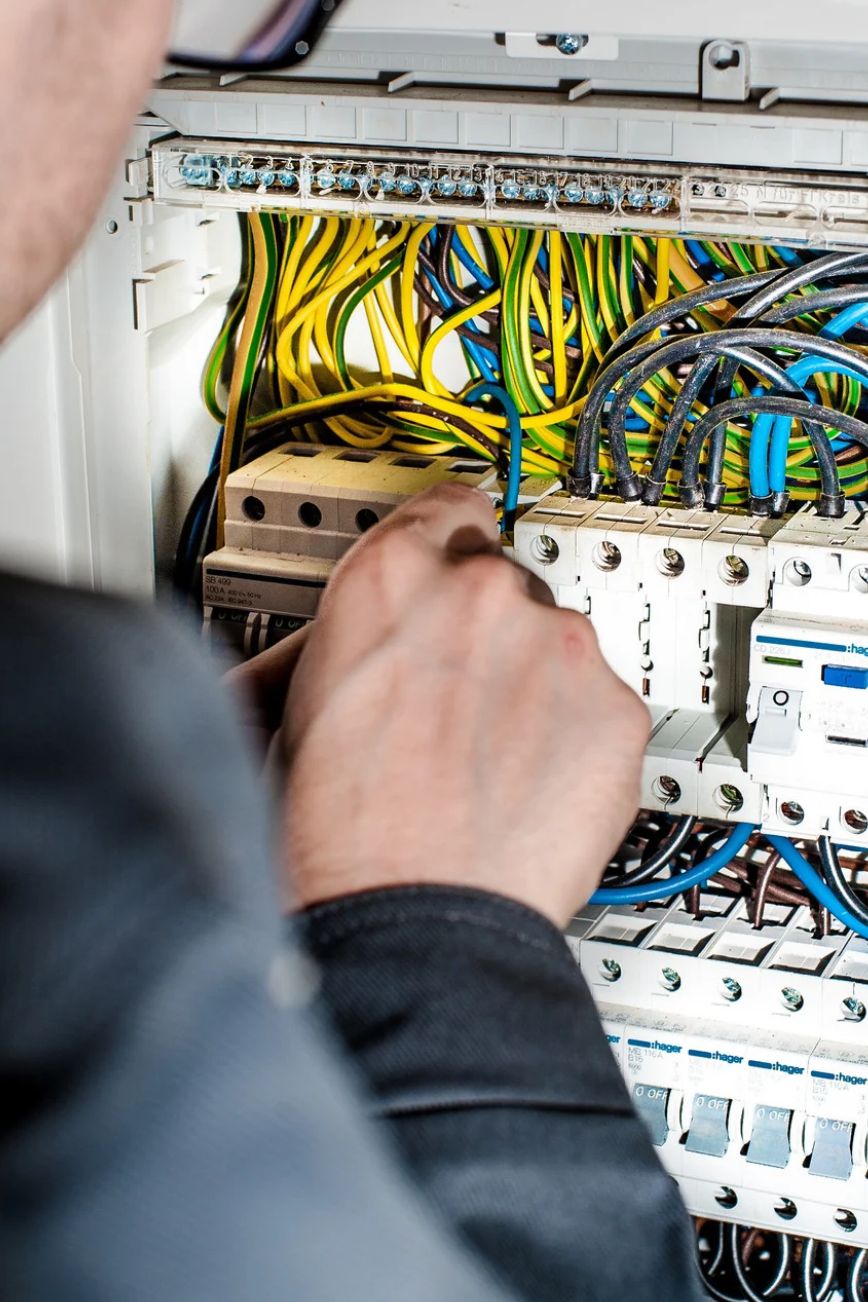
Electrical systems work best when their connections are properly organized, protected, and maintained. Choosing suitable components and preparation methods can help businesses improve installation efficiency, reduce avoidable maintenance, and support dependable performance across a range of applications.
Why Electrical Connection Quality Matters
Electrical connections are essential to the safe and consistent operation of equipment, machinery, and control systems. Poorly prepared wires, loose connections, or inadequate protection can contribute to intermittent operation, equipment downtime, and costly troubleshooting.
A reliable installation starts with selecting components that match the electrical requirements and the conditions in which the system will operate. Wire size, insulation type, operating temperature, voltage rating, and environmental exposure all influence component selection.
Proper preparation is equally important. Clean wire cuts, accurate stripping, secure terminations, and appropriate identification help technicians assemble systems more consistently. These practices can also simplify inspections and make future maintenance easier.
By considering connection quality at the design stage, businesses can reduce installation complications and establish a stronger foundation for long-term electrical reliability.
Choosing Components for Environmental Protection
Electrical equipment may operate in locations where moisture, dust, vibration, temperature changes, or other environmental factors create additional challenges. Selecting suitable protective components helps reduce exposure-related risks and supports the performance of the overall installation.
Weatherproof junction boxes are designed to help protect electrical connections from specified environmental conditions when properly selected and installed. Their suitability depends on factors such as the enclosure’s ingress protection or NEMA rating, the installation location, cable entries, seals, and the manufacturer’s instructions.
It is important to distinguish between water-resistant protection and complete resistance to every environmental hazard. Not all enclosures are suitable for immersion, corrosive chemicals, extreme temperatures, or direct exposure to high-pressure water. The required protection level should reflect the actual operating conditions.
Installation details matter just as much as the enclosure itself. Appropriate cable glands, compatible fittings, properly secured covers, and correctly maintained seals help preserve the intended level of protection. Following applicable electrical codes and manufacturer guidance is essential when selecting and installing these components.
Improving Efficiency Through Proper Wire Preparation
Wire preparation can have a significant impact on assembly time and connection consistency. When conductors are cut, stripped, labeled, and terminated correctly, technicians can complete installations with fewer adjustments and less rework.
Accurate wire cutting helps ensure that conductors reach their intended connection points without unnecessary slack or excessive tension. Proper stripping removes insulation without damaging the conductor, while suitable terminals and crimping tools help establish secure electrical and mechanical connections.
For projects involving many wires or repeated assemblies, standardized preparation procedures can make a noticeable difference. Predefined lengths, consistent labeling, and documented termination requirements help reduce variation between assemblies and simplify quality checks.
Businesses should also consider how prepared wires will be packaged, transported, and stored before installation. Keeping components organized and protected can prevent confusion and reduce the risk of damage during handling.
Supporting Safer and More Organized Installations
Electrical installations become easier to manage when components are selected and arranged with maintenance in mind. Clear labeling, logical wire routing, accessible connection points, and appropriate strain relief can help technicians identify circuits and troubleshoot problems more efficiently.
Cable management is particularly important in crowded panels, industrial equipment, and control systems. Organized wiring can improve accessibility, reduce mechanical stress on connections, and make it easier to identify potential issues during inspections.
Protection must also be matched to the specific application. Enclosures, connectors, terminals, and wire insulation should be compatible with the system’s electrical ratings and operating environment. Components should never be treated as interchangeable simply because they appear similar.
Routine inspection and maintenance help confirm that connections remain secure and protective features remain intact. Any work on electrical systems should be performed by qualified personnel using appropriate isolation procedures and following relevant safety requirements.
Reducing Costs Through Better Component Selection
The lowest initial purchase price does not always result in the lowest overall cost. Components that are unsuitable for the application may require replacement, create installation difficulties, or contribute to unexpected downtime.
Evaluating quality, compatibility, availability, and ease of installation can help businesses make more informed purchasing decisions. Standardizing suitable components across similar projects may also simplify inventory management and reduce the number of different parts that technicians need to handle.
Planning ahead is especially valuable for projects with demanding schedules. Confirming specifications, quantities, delivery expectations, and any required wire preparation before assembly begins can help prevent delays caused by missing or incompatible materials.
Working with a supplier that understands connection, protection, and wire preparation requirements can make this process more efficient. Access to suitable components and responsive order support helps businesses coordinate purchasing with installation and production schedules.
Conclusion
Reliable electrical installations depend on thoughtful component selection, accurate wire preparation, and consistent installation practices. By addressing these details early, businesses can support safer connections, simplify maintenance, and keep essential equipment operating as intended.





Leave a Reply