Key Takeaways
- An auto insurance quote reflects the driver, vehicle, coverage selections, and the insurer’s risk assessment.
- Driving history, mileage, household drivers, prior claims, and insurance history can all affect a premium.
- Comparing identical limits and deductibles provides a clearer picture than comparing monthly prices alone.
- New York’s 2026 auto insurance reforms may affect how rates and claims are regulated, but savings will not necessarily be identical for every policyholder.
- Discounts can help reduce costs, but drivers should understand their requirements and renewal terms.
From the Southern State Parkway to the Long Island Expressway and the roads leading out to the East End, driving conditions can change quickly. A useful auto insurance quote should account for more than a vehicle’s make and model. It should reflect how, where, and how often the vehicle is actually used.
For drivers reviewing auto insurance Long Island options, James Agency is an independent insurance agency based in East Islip that offers personal auto coverage alongside home, business, and life insurance solutions. With local experience dating back to 1963 and a service area spanning downstate New York from New York City to Montauk, the agency can help drivers compare coverage options from multiple carriers while considering the realities of Long Island driving.
Why Auto Insurance Prices Vary Across Long Island
Two people with similar vehicles may receive different quotes because their overall risk profiles are different. Insurers generally consider factors such as driving experience, claims history, vehicle use, repair costs, and the types of losses associated with a policy. Dense traffic, frequent commuting, severe weather exposure, vehicle theft, and costly repairs can all influence the broader insurance environment.
Nassau County, Suffolk County, and nearby downstate communities do not offer identical driving patterns. A daily commute toward New York City may involve more congestion and annual miles than a vehicle used mainly for local errands near the South Shore or East End. Location may still be considered under applicable rules, but it is only one part of a complete insurance application.
The Driver Details Insurers Review
Insurance applications commonly ask about the people who drive the vehicle, including coverage history. Accurate answers matter because an omitted driver or incorrect vehicle use can create problems when a claim occurs.
- Recent tickets, moving violations, and license status
- At-fault accidents and prior insurance claims
- Years of licensed driving experience
- Household members who may drive the vehicle
- Annual mileage, commute distance, and parking arrangements
- Prior insurance coverage, including any lapse in coverage
For example, a driver with a clean record, continuous coverage, and a short commute may receive a different quote than a driver with multiple recent violations, previous claims, and heavy annual mileage. Neither detail stands alone. The insurer evaluates the full application.
How the Vehicle Changes the Quote
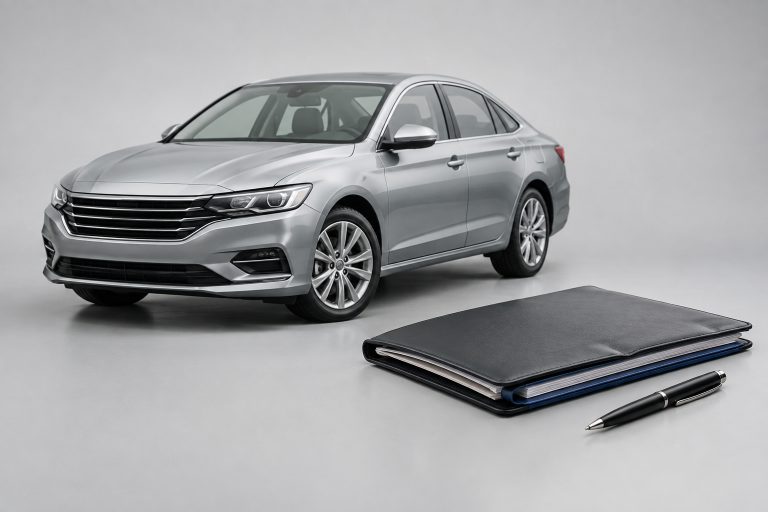
The cost to replace or repair a vehicle can be a major rating consideration. Newer cars may include cameras, sensors, advanced lighting, and driver-assistance equipment that can make a minor collision more complex to repair. A vehicle’s replacement value, safety features, theft exposure, parts availability, and repair process can all affect the cost of coverage.
Luxury models, performance vehicles, electric vehicles, and cars with specialized components may be rated differently from basic commuter vehicles. Usage matters as well. A car used for occasional errands presents a different exposure than one driven daily for a long commute, business appointments, deliveries, or rideshare work. Drivers should disclose business and platform-based driving before purchasing a policy.
Coverage Choices That Can Raise or Lower the Premium
Protection Levels and Deductibles
- Liability coverage: Higher limits typically provide more financial protection if the policyholder causes injuries or property damage, though they may increase the premium.
- Collision coverage: This may help pay for damage to the insured vehicle after a covered collision, subject to the deductible and policy terms.
- Comprehensive coverage: This can address certain non-collision losses, such as theft, vandalism, weather damage, falling objects, or animal strikes.
- Deductibles: Choosing a higher deductible may lower the premium, but it also means paying more out of pocket after a covered loss.
- Uninsured and underinsured motorist coverage: This coverage can be important when another driver lacks sufficient insurance.
- Optional endorsements: Rental reimbursement, roadside assistance, gap coverage, and custom equipment coverage may be available depending on the insurer and vehicle.
New York Changes Drivers Should Watch
In May 2026, New York announced auto insurance reforms addressing insurance fraud, litigation-related costs, rate oversight, and consumer protections. The announced measures include restrictions related to excess profits, new oversight of rate increases, and a prohibition on using certain personal factors, including ZIP code, to set rates. The state’s description of the auto insurance reforms also emphasizes efforts to address staged crashes and fraudulent claims.
These statewide changes do not guarantee that every Long Island driver will receive the same savings. Individual premiums can still change at renewal based on coverage, claims, vehicles, drivers, and approved insurer rates. Reviewing renewal notices closely remains a sound practice.
Discounts and Fraud Awareness
Potential savings may be available through defensive driving courses, bundled home and auto coverage, multi-vehicle policies, good-student programs, anti-theft equipment, low-mileage plans, telematics programs, automatic payments, or paying in full. Availability and eligibility vary, so ask whether a discount requires ongoing enrollment, a clean record, or periodic verification.
Insurance fraud can affect honest drivers across a market. Staged crashes, inflated repair invoices, and false injury claims can increase claim costs. After an accident, take photos when safe, exchange information, contact the insurer promptly, and be cautious about unsolicited towing or repair referrals. The New York Department of Financial Services newsroom publishes consumer-related insurance updates and enforcement news that can help drivers stay informed.
Questions to Ask Before Choosing a Policy
- What liability limits are included, and are they appropriate for my assets and responsibilities?
- What are the collision and comprehensive deductibles?
- Are all household and occasional drivers listed correctly?
- Does the policy reflect commuting, business, delivery, or rideshare use?
- Which discounts apply now, and what could cause them to end?
- Does the policy include rental reimbursement or roadside assistance?
- How could a claim affect the policy at renewal?
A Simple Quote Comparison Checklist
Gather driver’s license and vehicle information, estimate annual mileage, and list every household driver who may use the car. Then request quotes using the same liability limits, deductibles, and optional coverages. Review exclusions, claim procedures, and renewal terms before deciding. The best auto insurance policy is not always the one with the lowest monthly payment. It is the one that provides suitable protection at a cost the driver can reasonably maintain.




Leave a Reply