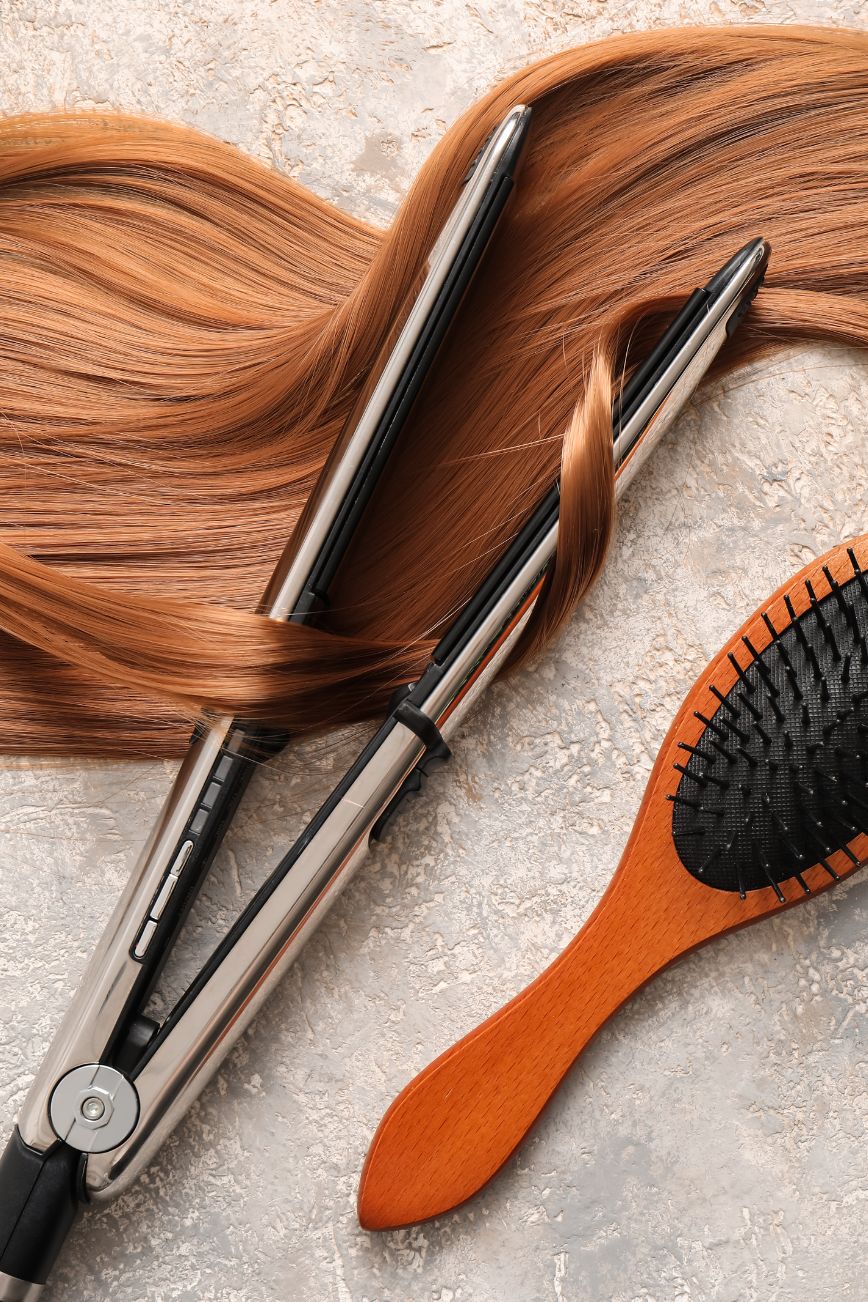
Why Safer Styling Matters
Heat styling can turn hair into sleek, curled, or voluminous looks in a matter of minutes, but relying on hot tools too often can leave strands dry, brittle, and prone to splitting. This article isn’t about giving up styling altogether—it’s about cutting down on cumulative damage while still getting the look you’re after. The right combination of tool, temperature, technique, and frequency, tailored to your specific hair type, can make a real difference. Getting a sense of how different tools, like a hair styler or hair dryer, interact with your hair’s structure can help you put together a lower-damage routine that actually fits your life.
Understand How Heat Can Affect Hair
Hair is made up mostly of keratin, a protein structure wrapped in a protective outer layer called the cuticle. When heat is applied repeatedly or cranked too high, it can pull moisture out of the hair shaft and wear down that protective layer. The fallout tends to show up in a few recognizable ways: dryness, where hair feels rough or looks dull; breakage, where strands physically snap; and split ends, where the shaft separates at the tip. This kind of damage rarely comes from a single styling session—it builds up gradually, session after session. Hair that’s been chemically treated, bleached, naturally fine, or already brittle tends to be more vulnerable and usually needs extra care.
It’s worth keeping in mind that conditioners and smoothing products can make damaged hair look and feel better temporarily, but they can’t actually repair a split or broken shaft—only new growth replaces what’s already lost. The American Academy of Dermatology recommends limiting heat exposure, dialing back the temperature, and styling less often to help keep hair looking healthier over time.[1][3]
Assess Your Hair Before Choosing a Styling Method
Fine, coarse, straight, wavy, curly, and tightly coiled hair all react differently to heat and tension. Thicker or denser hair usually calls for more patience and careful sectioning rather than simply turning up the heat. Tightly textured hair, on the other hand, can be especially prone to dryness and mechanical breakage, which makes gentle detangling a priority.
Before reaching for a hot tool, check for warning signs like excessive tangling, rough ends, reduced elasticity, unusual shedding, or visible chemical damage. Healthy, untreated hair can often handle more frequent styling than hair that’s been bleached or previously damaged by heat—adjusting your approach, rather than compensating with higher temperatures, is almost always the smarter move.
Prepare Hair Before Using Heat
Letting hair partially air-dry before you bring out the hot tools can meaningfully cut down your total heat exposure. Blot excess water gently with a towel instead of rubbing it in, since wet hair is more elastic and far more vulnerable to stretching or snapping while you brush it. Detangle starting from the ends and working upward with a wide-tooth comb or soft brush, then apply a heat-protective product evenly, following the label instructions. Keep in mind that heat protection lowers risk but doesn’t erase it—these products are just one piece of a broader strategy, not a guarantee against damage.
Use Heat Tools More Safely
Choose the Lowest Effective Setting
Start with the lowest heat setting that still gets the job done. Higher temperatures don’t necessarily work better, and they often raise the risk of damage. Since the ideal setting really does vary by hair type and tool design, it’s worth leaning on manufacturer guidance rather than whatever generic chart you find online.
Keep Heat Moving
Holding a hot tool in one spot concentrates the heat and increases the chance of damage. Work in manageable sections, use steady, continuous passes, and cut back on repeated passes over the same strand. With curling tools, limit how long the hair stays in contact and avoid clamping down on the same section more than once. Keep heat sources away from the scalp to avoid burns.
Reduce Frequency
Alternating heat-styled looks with air-dried or low-manipulation styles tends to be more protective than trying to offset daily heat use with extra products. Dermatology guidance consistently backs up this idea—less frequent hot-tool use paired with lower temperatures.[1][3][8]
Improve Drying and Styling Technique
Rough towel-drying, aggressive brushing, and overly tight hairstyles can all pile onto heat-related stress. Try blotting hair gently, letting it air-dry partially, using moderate airflow, and steering clear of tension at the roots. For tightly curled or textured hair, detangling while it’s still damp—done with a light hand—can sometimes help.[1] Tight ponytails, braids, and extensions can cause breakage on their own, heat or no heat, so mixing up your hairstyles matters too. Switching to larger sections, fewer heat passes, and longer air-drying windows, for instance, can reduce visible damage without forcing you to give up styling entirely.
Build a Balanced Hair-Care Routine
Pick cleansing and conditioning products that suit your scalp and your hair’s current condition. Conditioning improves slip, which can reduce the mechanical stress hair goes through during brushing. Regular trims help manage visible split ends, though they won’t make hair grow any faster. Try not to stack multiple stressors at once—frequent high heat, chemical treatments, tight styles, excessive brushing, and long stretches of sun or chlorine exposure all add up fast when combined.
Recognize When Professional Advice Is Appropriate
Ordinary styling damage is a different animal from medical hair loss. See a dermatologist if you notice sudden shedding, thinning patches, scalp pain or sores, breakage that persists even with gentler handling, or hair loss tied to tight hairstyles. Heat damage typically affects the hair shaft, while certain types of hair loss involve the follicle or scalp itself—so persistent or unusual symptoms deserve a professional look rather than guesswork.
Quick Heat-Damage Reduction Checklist
- Let hair partially air-dry when practical
- Start with the lowest effective heat setting
- Use heat-protective products as directed
- Keep hot tools moving
- Limit repeated passes
- Reduce styling frequency
- Handle wet hair gently
- Alternate heat styling with lower-manipulation styles
- Monitor changes in breakage, texture, and scalp comfort
Key Takeaway: Safer styling comes down to managing total exposure: lower heat, less time, fewer repetitions, gentler handling, and enough recovery between heat-styling sessions.
Make Styling Sustainable
Reducing hair damage isn’t about hunting down one perfect tool—it’s about combining thoughtful preparation, controlled heat, gentle handling, and reasonable frequency. Adapt these habits to your own hair texture and goals, and consider changing just one thing at first, like lowering the heat setting or giving your hair more time to air-dry. Watch how your hair responds over several sessions, then adjust from there.

Leave a Reply