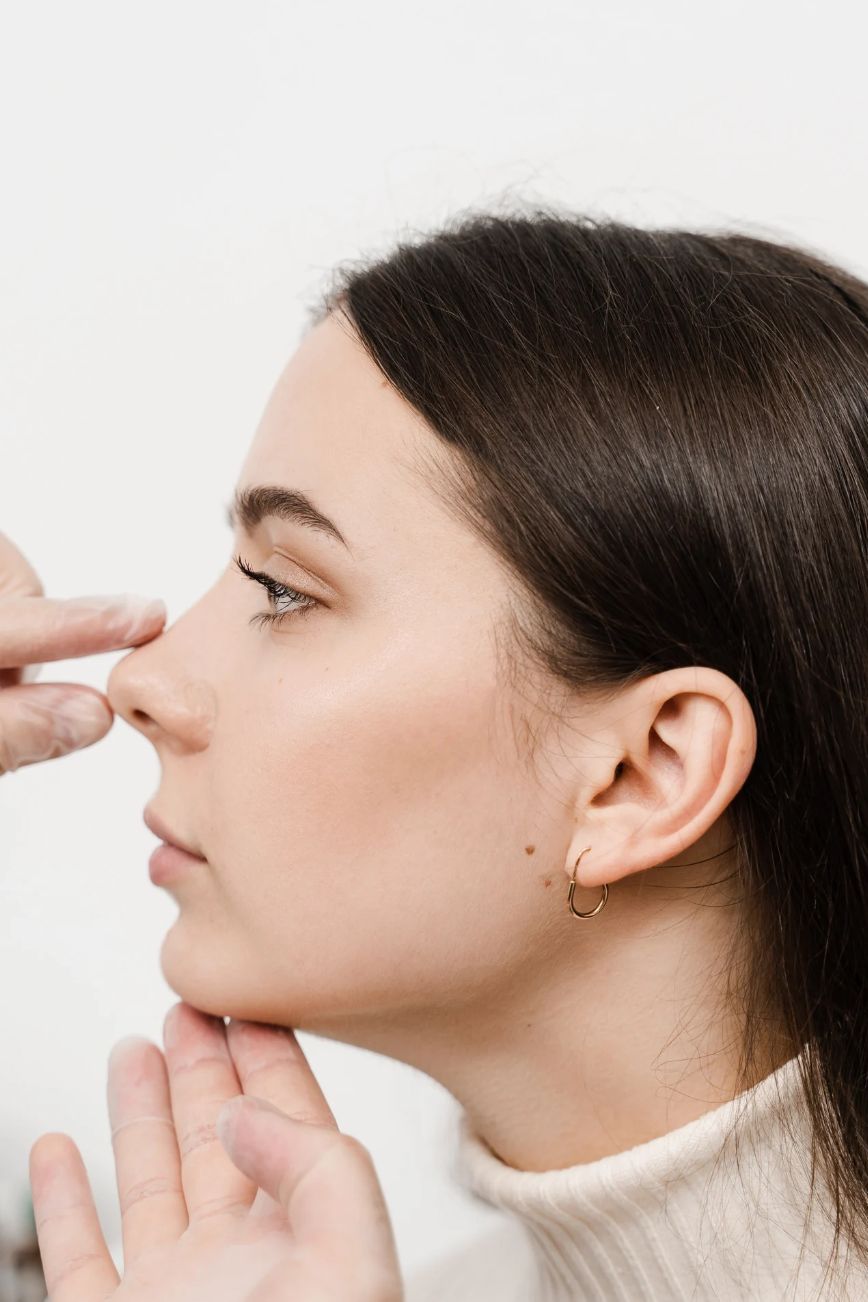
You may have hoped your first nose surgery would give you the shape you wanted. But after the swelling went down, perhaps the tip looked slightly crooked, one side appeared fuller, or your nose seemed uneven from certain angles. If you are unhappy with the result, you may wonder whether another procedure can correct it.
Revision rhinoplasty can often improve these concerns. It is a second nose surgery that aims to correct problems left by an earlier procedure. For patients considering treatment in Miami, FL, it helps to understand what may be causing the uneven appearance and what a surgeon can realistically change. Here are some important things to know before considering another operation.
What Can Cause an Uneven Nose After Surgery?
Some unevenness is normal during the early stages of recovery. Swelling does not always go down at the same rate on both sides, so your nose may look crooked or uneven for several weeks or months. This does not always mean the surgery failed.
However, some changes may remain after healing. These can happen for several reasons:
- Uneven cartilage removal: Removing too much or too little cartilage from one area can affect the shape of the nose.
- Changes in nasal support: The first surgery may weaken parts of the framework that help hold the nose in place.
- Scar tissue: Internal scar tissue can pull on the skin or affect the shape as the nose heals.
- Natural asymmetry: Your nose may have had some uneven features before surgery that remain noticeable afterward.
- Injury during recovery: An accident or impact while the nose is healing may change its shape.
A study of 104 patients seeking revision rhinoplasty found that tip asymmetry and a crooked middle part of the nose were among their most common concerns. Surgeons also identified many of the same issues during their own exams.
The Role of Revision Rhinoplasty in Improving Symmetry
Revision rhinoplasty can address uneven areas by changing the shape and support of the nose. The exact method depends on what the surgeon finds during the examination.
For example, if the tip points slightly to one side, the surgeon may need to adjust or reposition the cartilage that gives it shape. If one side of the nose has lost support, cartilage grafts may help rebuild the framework and create better balance.
The surgeon may also correct uneven contours along the bridge or address changes around the nostrils. In some cases, improving the outer shape also involves fixing internal problems that affect airflow.
The goal is to create a nose that looks more balanced with the rest of your face while still working well. Perfect symmetry is not always possible, since natural faces have small differences between the two sides.
Why Revision Surgery Requires Careful Planning
A second nose operation is often more complex than the first. The surgeon must work with tissue that has already been changed, and there may be scar tissue or less cartilage available to use. This can limit the options for reshaping the nose. If the first procedure removed too much cartilage, for example, the surgeon may need to find another source of tissue to rebuild the missing support.
Depending on the repair needed, cartilage may come from the septum, ear, or rib. Each source has its own benefits and limits, so the choice depends on how much support the nose needs.
You’ll therefore need a surgeon trained in facial plastic and reconstructive surgery, preferably with a background in otolaryngology to support an approach that considers both nasal structure and breathing during complex revision cases. This is important because changing the shape without protecting the nose’s internal support can create further problems.
When Should You Consider a Second Nose Surgery?
It is usually best to wait until your nose has had enough time to heal before deciding whether revision is needed. Swelling can take many months to settle, and the final shape may not become clear until about a year after the first procedure.
Having surgery too soon can make it difficult to tell which changes are permanent and which are part of normal healing. Your surgeon may also need to wait until the tissue is stable enough for another operation.
You may want to discuss revision if you still notice:
- A crooked bridge or uneven nasal tip after full healing
- One nostril that looks different from the other
- A dent, bump, or irregular area along the nose
- Trouble breathing that began or continued after surgery
- A shape that does not match the result discussed before your first operation
If you are experiencing breathing problems, mention them during your assessment. The issue may involve the septum or other internal structures, not only the outer shape.
What to Expect During the Consultation
Before planning another operation, the surgeon needs to understand what happened during your first surgery. Bring any available records, including the details of the procedure, earlier photographs, and notes about problems you noticed during recovery.
The surgeon will examine your nose from different angles and assess its internal structure. They may also use photographs or computer imaging to discuss possible changes. These tools can help explain the plan, but they cannot promise an exact final result.
Because revision surgery may involve rebuilding the nasal framework as well as correcting visible asymmetry, experience with complex nose procedures is important. Surgeons who perform revision rhinoplasty in Miami, FL at Facial Plastic Surgery Miami assess both the visible shape and the internal nasal structure when planning treatment. This helps address cosmetic concerns while also considering whether the nose can breathe properly.
Understand the Recovery and Possible Risks
Recovery after revision rhinoplasty is gradual. You may have swelling, bruising, and a nasal splint during the first week. Most people need around one to two weeks before returning to many normal daily activities, but swelling can continue for months.
The final shape may take a year or longer to settle, especially when the surgeon needs to rebuild parts of the nasal framework. Revision surgery also carries risks, including infection, bleeding, breathing changes, scarring, and the possibility that some unevenness will remain.
Follow your surgeon’s instructions and attend all follow-up visits. These appointments help the care team check how your nose is healing and address concerns as they arise.
The Bottom Line
Revision rhinoplasty can improve an uneven nose after an earlier procedure, but the results depend on the cause of the asymmetry and the condition of the nasal structure. Give your nose enough time to heal, seek an experienced surgeon’s opinion, and be open about both your appearance and breathing concerns. A careful plan can help you understand what is possible and decide whether another operation is the right step.

Leave a Reply