Key Takeaways
- Tackle organization one room at a time to avoid feeling overwhelmed.
- Use customized tools and strategies tailored to each room’s unique requirements.
- Routine maintenance and decluttering sessions help maintain order and tranquility.
Maintaining an organized home may seem like an overwhelming task, but tackling it one space at a time can make it both manageable and rewarding. Focusing on specific strategies for each area allows you to enhance functionality while ensuring a pleasant environment for everyone in the household. If you need additional help, consider enlisting professional home organization services to jumpstart your journey to a clutter-free home.
By personalizing your organization methods, you can transform even the most chaotic spots into well-functioning, harmonious spaces. Whether you are dealing with an overflowing entryway or a disorganized garage, a systematic approach yields the best results and makes long-term maintenance easier.
Entryway: Setting the Tone
The entryway sets the first impression for your home and is often where clutter accumulates. To create a welcoming space and prevent chaos, install wall hooks for easy storage of outerwear and bags. Employ a shoe rack to corral footwear, reducing dirt tracked through the house. A dedicated tray or basket for small items like keys and mail keeps essentials accessible and prevents them from being misplaced. These simple solutions help you establish a convenient “drop zone” that streamlines departures and arrivals for the whole family.
To further personalize your entryway, consider adding a small bench for seating that also provides extra storage underneath. Select décor that makes the space feel inviting, like a mirror, which not only adds style but also lets you check before leaving the house. By designating specific places for each type of item, you’ll discourage clutter and encourage household members to put things away as soon as they come in the door. The entryway is the gateway to your home’s organization, setting a positive tone for the rest of your living spaces.
Living Room: Comfort Meets Order
Organization is especially important in the living room, a hub of social activity and relaxation. Select furniture that doubles as storage, such as ottomans that conceal blankets and games. Decorative baskets offer a stylish way to collect remote controls and other essentials. Consider incorporating wall-mounted shelves for books and decorative accents. When every item has a designated spot, it is easier to keep the space clean and inviting.
Try using trays on coffee tables to hold magazines or remotes, and to prevent the accumulation of small items that can create visual clutter. Implement a regular tidying routine, perhaps at the end of each day, to reset the space and keep it welcoming for both family and guests. Additionally, rotating decorative elements with the seasons can keep the space feeling fresh and provide a regular opportunity to declutter unnecessary items.
Kitchen: Streamlining Meal Prep
A well-organized kitchen makes cooking more efficient and enjoyable. Group similar items, such as spices or baking supplies, for easy access during meal preparation. Drawer dividers keep utensils sorted and prevent the notorious junk drawer. Pull-out shelves installed in cabinets maximize storage and improve accessibility for pots, pans, and small appliances. Regularly declutter to dispose of expired products and keep work surfaces tidy.
Labeling shelves and containers can help everyone in the household know where items belong, especially in shared spaces. Consider using clear containers for pantry staples to easily track quantities and reduce the chances of running out unexpectedly. Even small appliances benefit from organizational strategies. Store less-frequently used gadgets in hard-to-reach spots while keeping everyday essentials within arm’s reach. Thoughtful kitchen organization can help cut down on wasted time and even inspire new cooking adventures.
Bedroom: A Sanctuary of Serenity
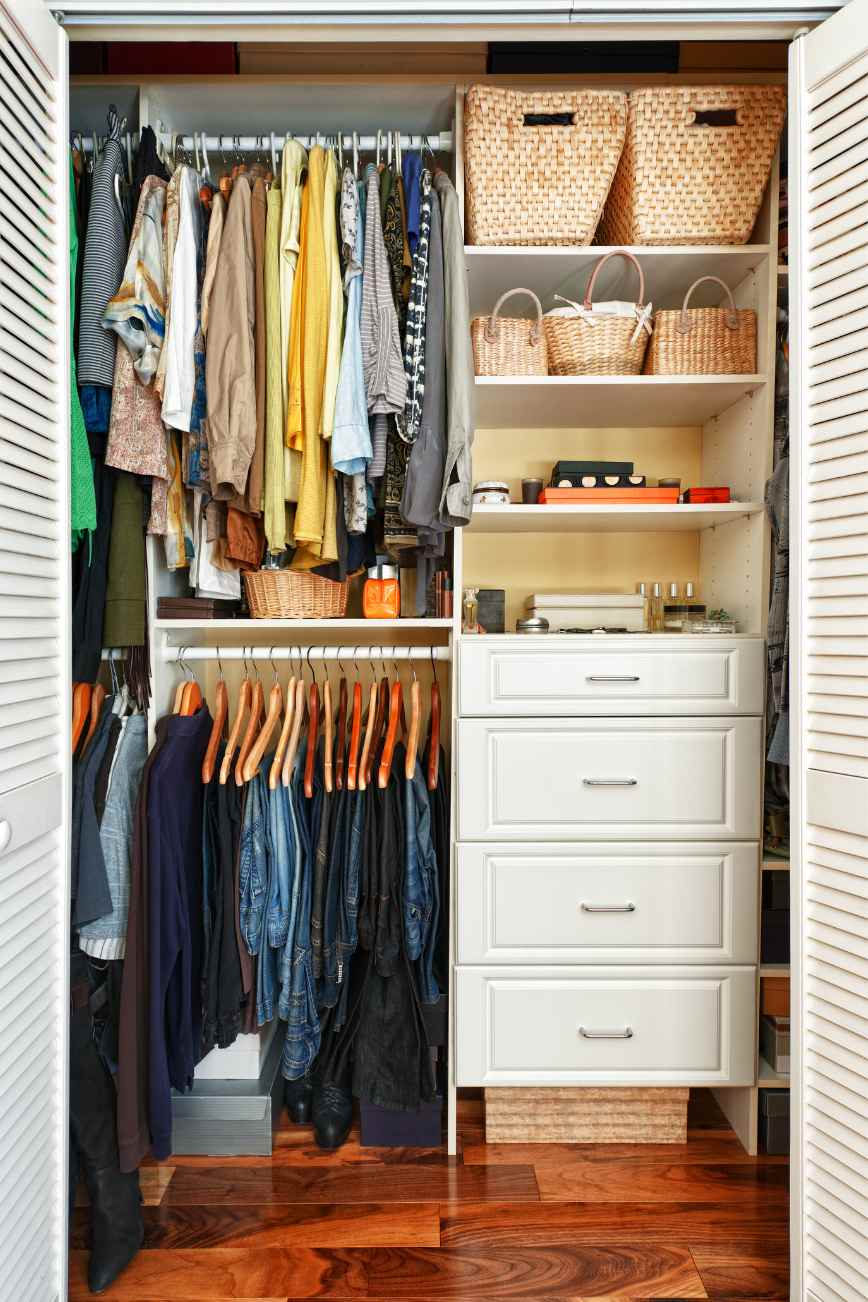
An organized bedroom provides a restful retreat after a busy day. Use under-bed storage containers for seldom-used or seasonal clothing. Limit nightstand clutter to essentials: a lamp, an alarm, and one book. In the closet, organize garments by type and color for quicker outfit selection. These strategies not only help maintain a calming ambiance but also make daily routines less stressful.
Consider implementing a simple laundry system to prevent piles from accumulating; a divided hamper, for example, can make wash day more efficient. Mindful selection of bedding and limited decorative items can reduce visual noise and enhance tranquility. Reserve a drawer or a small box for keepsakes so your most cherished items are safely stowed without cluttering. Small changes in the bedroom can have a big impact on your overall sense of peace and relaxation.
Bathroom: Maximizing Small Spaces
Bathroom organization is key, especially when space is limited. Over-the-door organizers hold toiletries and cleaning products without sacrificing counter or cabinet space. Drawer dividers keep makeup and grooming tools neatly separated. Install towel racks or hooks to ensure towels dry properly and stay off the floor. Consistently check for expired products and wipe down surfaces to keep the bathroom both hygienic and organized. You can also explore more ideas for small-space organizing from Apartment Therapy.
If your bathroom doubles as a family or guest bath, consider assigning each person or group their own bin or shelf to contain personal products. Small, stackable containers can keep smaller items such as hair accessories, cotton swabs, or medications sorted and easy to find. Adding a mirror with built-in storage, like a medicine cabinet, further optimizes compact areas, making it easier to maintain order in even the tiniest bathrooms.
Home Office: Boosting Productivity
Clutter can significantly impact your ability to focus in a home office. Implement a filing system to manage important documents and minimize paper piles. Cable management solutions keep cords from tangling beneath your desk. Store supplies in labeled containers or drawer organizers, leaving your desktop as open as possible. Minimal, inspiring decor can personalize the workspace without distracting from productivity.
Set aside a few minutes each week to sort incoming paperwork and discard or shred unnecessary items. Invest in ergonomic solutions, such as monitor stands or adjustable chairs, to ensure comfort while working. Personal touches, such as a small plant or framed photo, can create a welcoming, motivating setting that encourages daily productivity. An organized office supports clear thinking and greater work satisfaction.
Garage: Taming the Chaos
The garage is often the repository for items that lack a home elsewhere. Use wall-mounted shelving to keep equipment off the floor. Labeled bins help you quickly locate seasonal decorations, sports gear, or hardware. Set up specific zones by category, such as gardening tools or auto supplies, to streamline storage and retrieval. A consistent review and declutter schedule prevents your garage from becoming unmanageable.
Pegboards and hooks can offer customizable, vertical storage for tools and sports equipment, keeping them visible and easily accessible. Using ceiling-mounted racks or heavy-duty shelving lets you make the most of every available inch, especially for bulkier items. Encourage the family to regularly participate in garage cleanups to keep the area functional year-round. Thoughtful planning in garage organization not only clears up space but can also extend the life of your belongings.
Maintenance: Sustaining Organization
Adopting certain routines can help you maintain order after your initial organizing efforts. The “60-second rule” can be transformative: if a task takes less than a minute, tackle it on the spot. This simple practice discourages clutter buildup. Schedule periodic decluttering sessions to revisit spaces and adjust systems as your needs evolve. Encourage participation from all household members, making organization a collective responsibility and reinforcing positive habits.
In addition, keeping a running list of areas that need attention lets you tackle organization projects without feeling overwhelmed by the entire process. Celebrate small achievements, like organizing a single drawer or closet, to maintain your motivation. Over time, you’ll develop habits that keep your space consistently organized, reducing daily stress and supporting your household’s overall harmony.
Each room presents unique organizational challenges, but with a methodical approach and customized strategies, you can foster an environment that supports comfort, efficiency, and peace of mind.




Leave a Reply