Key Takeaways
- Distracted driving significantly increases the risk of accidents; staying focused is essential.
- Advanced vehicle safety technologies can prevent or mitigate crashes.
- Teen drivers face higher risks; parental guidance and safe vehicle choices are vital.
- Usage-based insurance programs incentivize safer driving behaviors.
- Passengers play a role in promoting driver safety by minimizing distractions.
Adopting safe driving habits significantly reduces the likelihood of being involved in a car accident. By cultivating responsible driving routines, motorists can not only protect themselves but also their passengers and others on the road. If you seek guidance or legal support after an accident, connecting with a knowledgeable Davie, FL car accident attorney can be instrumental in navigating the aftermath.
Committing to a culture of safety benefits everyone. Dangerous behaviors such as distracted driving continue to cause countless preventable accidents each year, highlighting the critical need for vigilance and the right use of modern vehicle technologies.
The impact of unsafe driving habits goes beyond individual drivers. According to the Centers for Disease Control and Prevention, thousands of lives are lost each year due to preventable road accidents. Raising awareness of prudent driving is vital to reducing these tragic statistics and creating safer communities.
Understanding Distracted Driving
Distracted driving remains one of the most common causes of car accidents, especially with an increasing array of in-car gadgets and mobile devices. Simple actions, like sending a text, eating on the go, or adjusting navigation systems, can divert a driver’s attention for critical seconds. Research highlighted by the National Institutes of Health shows that these distractions can impair a driver’s ability to respond to sudden events, making their risk similar to that of impaired drivers. Ensuring that your undivided attention is on driving reduces these dangers and creates a safer travel environment for everyone.
Distraction can be visual, manual, or cognitive, meaning a driver might look away from the road, take their hands off the wheel, or let their mind wander from the task of driving. Communication devices, such as smartphones, are a leading source of distraction, but even conversations with passengers, eating, or adjusting entertainment systems can increase the risk. Prevention starts with conscious decision-making: put devices away, set systems before driving, and minimize other in-vehicle distractions.
The Role of Vehicle Safety Technologies
The development and widespread integration of advanced vehicle safety features have introduced new layers of protection for drivers and passengers. Systems such as adaptive cruise control, lane-keeping assist, and emergency braking serve as critical backups that can prevent or greatly reduce the severity of collisions. For instance, studies reveal that automatic emergency braking can cut front-to-rear crashes in half. However, it remains vital to understand both the capabilities and limitations of such technologies to avoid complacency and maximize their effectiveness.
While these innovations offer substantial safety benefits, drivers should not over-reliance on them or become less attentive. It’s essential to recognize that technology is a supplement, not a substitute, for attentive driving. Continual education on the use and maintenance of these systems enhances their effectiveness, and periodic updates or calibration may be necessary to keep features functioning as intended.
Teen Drivers and Increased Risks
Teen drivers face unique challenges and a higher risk of accidents due to their limited experience and sometimes overconfident attitudes behind the wheel. Studies indicate an alarming trend: many teens drive older vehicles that may lack modern safety features, thereby increasing their fatal crash risk. Parents and guardians play an essential role in helping teens make sound decisions about which vehicles to drive and ensuring open communication about the importance of safe driving behaviors. Prioritizing vehicles equipped with current safety technology can be a life-saving decision.
Additionally, graduated licensing systems and education-focused driver programs have proven effective in reducing crash rates among new drivers. Parents should model safe driving and consistently reinforce rules, setting clear expectations regarding distractions, speeding, and seatbelt use. Open communication can help teens feel empowered to make safer choices, and periodic check-ins about their experiences provide valuable feedback.
Incentivizing Safe Driving Through Insurance
Many insurance providers now offer usage-based insurance programs that use technology to monitor driving habits such as speed, braking behaviors, and mileage. These programs reward safer drivers with discounts and other financial incentives, and recent Penn Medicine findings show that participants dramatically reduce risky behaviors such as speeding and abrupt stops. By letting drivers see their habits and rewarding safer practices, these programs foster personal accountability and improve overall traffic safety.
Some programs also provide real-time feedback, enabling drivers to adjust unsafe behaviors immediately. Over time, as drivers become more aware of the effects of their actions, these programs can lead to long-term improvements in road safety culture. Discussing available insurance options with your provider may lead to substantial savings while supporting safer habits behind the wheel.
The Influence of Passengers on Driver Safety
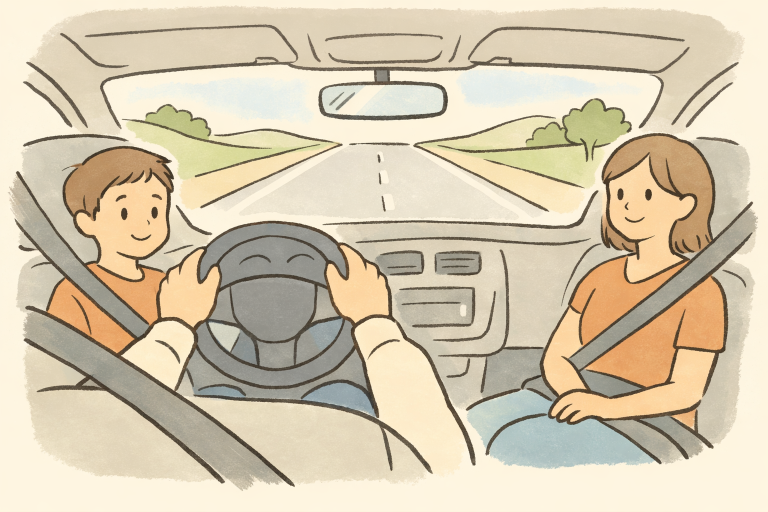
Passengers wield considerable influence over driver behavior, sometimes unknowingly increasing risk through distractions or, conversely, encouraging safer conduct. Any passenger can play an active role in preventing risky actions by reminding the driver to stay focused and speak up if unsafe practices occur. Experts, especially during awareness events such as National Passenger Safety Week, agree that passengers’ proactive involvement can be a decisive factor in preventing accidents and saving lives. For additional strategies on how passengers and drivers can work together to create safer roadways, visit the National Highway Traffic Safety Administration website.
Groups traveling together should decide on guidelines before setting out, such as designating a primary navigator, silencing unnecessary notifications, and encouraging regular breaks for longer drives. Maintaining a calm and focused vehicle environment, particularly for new or young drivers, supports better decision-making for everyone in the car.
Practical Tips for Safer Driving
- Always buckle up and ensure that everyone in the vehicle is wearing a seatbelt at all times.
- Maintain a safe following distance to react appropriately to sudden stops or hazards ahead.
- Obey speed limits at all times, and adjust your speed to current traffic, weather, and visibility conditions.
- Never drive under the influence of alcohol, drugs, or prescription medications that impair your abilities.
- Prioritize rest and avoid driving when tired, as fatigue can slow reaction times and reduce concentration.
- Conduct regular maintenance checks on your vehicle to ensure all systems are functioning correctly and efficiently.
- Plan your route ahead of time to minimize the need for last-minute decisions or risky maneuvers.
Conclusion
Safe driving habits are non-negotiable for anyone looking to protect themselves and others on the road. When drivers stay attentive, use available vehicle safety features, and practice patience and care, particularly for vulnerable groups like teen drivers, everyone benefits. Participating in incentive programs and empowering passengers to act as advocates for safety further strengthens overall accident-prevention efforts. With collective commitment, our roads can become significantly safer for all.
Ultimately, the responsibility for safe driving lies with each individual. By embracing continuous learning, prioritizing well-being, and staying informed about new road safety strategies and technologies, motorists contribute to a positive safety culture. Every small action, whether buckling a seatbelt, silencing a phone, or slowing down in adverse weather, can make a difference. It is through these disciplined behaviors that we can all help foster safer roadways now and for future generations. Consistently making conscious, safe driving choices is an investment in our own health, the lives of others, and the well-being of our communities.





Leave a Reply