Key Takeaways
- Regular roof inspections are essential for catching issues early.
- Keeping gutters and downspouts clear averts water damage and preserves your roof’s integrity.
- Promptly repairing minor issues can postpone major repairs and extend your roof’s service life.
- Annual professional inspections are highly recommended for thorough evaluation.
A well-maintained roof is one of the most critical components in safeguarding your home from the elements. From regular inspections to simple do-it-yourself fixes, a routine approach to roof care can save homeowners from costly repairs down the road. If you’re exploring roofing solutions or wish to prolong the life of your current roof, following a thorough maintenance checklist is vital.
When homeowners neglect roofing maintenance, small problems such as loose shingles or clogged gutters can quickly escalate into much larger issues. Preventative care not only protects your property’s structure but can also boost your home’s value and energy efficiency. A comprehensive approach reduces the likelihood of surprise damage, especially after major weather events or seasonal changes.
Every homeowner can benefit from learning the basics of roof maintenance. This knowledge not only improves your home’s safety but also adds clarity when communicating with contractors. Early detection of common warning signs, such as algae formation or failing sealants, ensures your roof receives timely attention and necessary repairs.
In areas prone to severe weather, knowing how to identify and address roofing issues after a storm is just as important as regular upkeep. For those concerned about storm damage, it is wise to schedule prompt evaluations and repairs to address any issues as soon as they arise.
Conduct Regular Roof Inspections
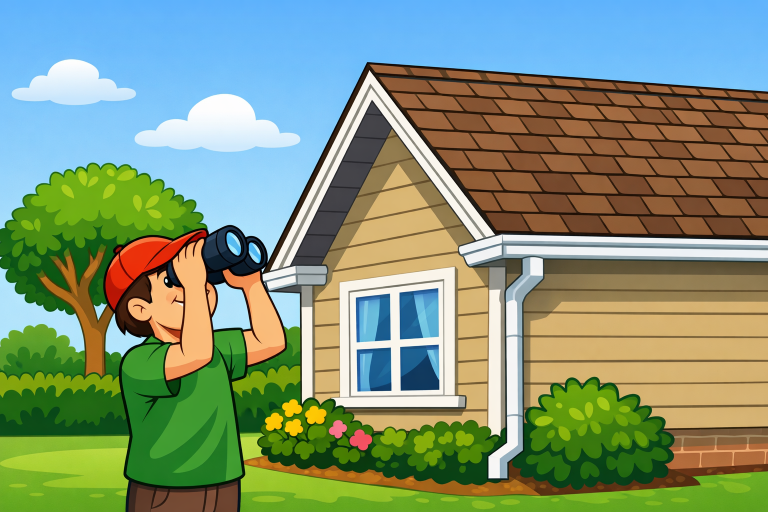
Inspecting your roof at least twice a year, preferably in the spring and fall, is a best practice for catching problems before they escalate. Begin by using binoculars from the ground to look for missing shingles, displaced flashing, or other visible damage. If you notice areas that appear discolored or warped, this may indicate trapped moisture beneath the surface. Roof inspections should always be conducted safely. If you are uncomfortable climbing on your roof, consider hiring a reputable professional to assist. According to the National Association of Home Builders, regular visual checks are a homeowner’s first line of defense against extensive water damage.
Clean Gutters and Downspouts
Over time, gutters and downspouts accumulate debris such as leaves, twigs, and grit from shingles. Blockages prevent rainwater from draining efficiently, which can lead to overflow and water infiltration along the roofline or into your home’s foundation. To avoid these pitfalls, clear your gutters at least twice a year and address clogs quickly after storms. Using a garden hose to flush out remaining debris can help you spot leaks or sagging areas needing attention. Keeping these drainage systems functioning ensures water is directed away from your home, minimizing the risk of costly repairs related to water exposure.
Trim Overhanging Branches
Trees add natural beauty and shade to a property, but overhanging branches can spell trouble for your roof. Limbs that rest on or swing above your shingles may scratch the roofing surface and dislodge protective granules, leading to localized wear. Additionally, branches make it easier for rodents and other pests to access your roof. Always keep tree limbs trimmed back to prevent these risks and allow sunlight to help keep your roof dry. Regular pruning also discourages the accumulation of leaves and organic matter that can trap moisture and foster mold or algae growth.
Check for Algae and Moss
Algae and moss are common roofing problems, particularly in humid climates or in homes shaded by trees. These growths can retain moisture on your roof’s surface, gradually causing shingle deterioration or wood rot. If you notice green or black streaks on your roof, use an environmentally friendly solution to scrub away the growth, or contact a professional for safe removal. Preventative measures, such as installing copper or zinc strips near the roof peak, can reduce future occurrences by inhibiting the growth of algae and moss. Better Homes & Gardens provides helpful advice for safely cleaning these issues from your shingles.
Inspect Flashing and Sealants
Roof flashing and sealants play a vital role in preventing water intrusion around vulnerable areas, such as chimneys, skylights, and vent pipes. Over time, flashing can corrode or crack, while old sealants may shrink or peel away. Check all flashing for visible signs of rust, bent edges, or gaps. If you discover deteriorated caulk or sealant, remove the old material and apply a high-quality replacement to re-establish a waterproof seal. These targeted repairs are simple but can help prevent significant, costly leaks in your home.
Ensure Proper Attic Ventilation
Moisture and heat buildup in the attic can cause a range of roofing issues, from mold and wood rot to the formation of dangerous ice dams in colder climates. Proper attic ventilation keeps air flowing, regulates temperature, and extends the life of your roofing materials. Check to ensure your attic vents, whether ridge, soffit, or gable, are clear and unobstructed. Regularly removing insulation or other objects blocking these vents will help your roofing system breathe and operate at peak efficiency.
Schedule Professional Inspections
While most homeowners can perform basic visual checks, scheduling an annual inspection with a licensed roofing contractor provides thorough coverage. These professionals use advanced tools and expertise to spot small problems that may not be visible on casual inspection. Annual inspections are especially recommended for older roofs or after severe weather, when hidden damage is more likely. Hiring a qualified roofer for this task can prevent minor issues from turning into major headaches.
Document Maintenance Activities
Keep a detailed record of all inspections, repairs, and maintenance work performed on your roof. This ongoing log helps you track the age and condition of different roof components, streamlines future maintenance planning, and can assist with warranty claims or disclosures during a home sale. Digital tracking methods or a simple notebook both work well for organizing maintenance history.
Proactively maintaining your roof ensures it continues to protect your home and family well into the future. Routine care and timely responses to developing problems are the keys to preventing expensive repairs and maintaining the structural integrity of your property.



We had our roof replaced last year due to a hail storm. Last week, I happened to look up at the ceiling and saw a spot. It was raining heavily that day. By late afternoon, the spot had grown. Thank goodness the roof is under warranty and everything will be corrected. I’m glad you shared this post. I’ll definitely have my roof inspected more often.