Table of Contents
- The First Few Minutes After an Accident
- Delaying Medical Care
- Ignoring Crash Reporting Requirements
- Failing to Preserve Evidence
- Saying Too Much to Insurers
- Overlooking Financial Losses
- Other Costly Mistakes to Avoid
- When a Legal Review May Help
After a serious accident, the most expensive mistakes are often not obvious at the scene. A person may be dealing with pain, vehicle damage, missed work, and pressure from insurance companies all at once. Taking a few careful steps early can protect physical health, preserve important information, and reduce confusion in the days ahead.
While every situation is different, people with significant injuries or disputed fault may benefit from speaking with a personal injury lawyer in Onalaska about their options. The priority, however, should always be safety and appropriate medical care.
The First Few Minutes After an Accident
Safety comes before paperwork, photographs, or conversations about fault. Shock and adrenaline can make even a routine decision feel difficult, so it helps to follow a simple checklist. Check yourself, passengers, and others for injuries, call 911 when someone may be hurt, or the scene is unsafe, and use hazard lights if possible. Do not move an injured person unless there is an immediate danger, such as fire or oncoming traffic.
- Check for serious injuries and call for emergency help when needed.
- Move away from traffic only when it is safe to do so.
- Stay at the scene and cooperate with responding officers.
- Exchange basic identifying and insurance information.
- Give factual details, without guessing about blame or injury severity.
Delaying Medical Care
One of the most costly mistakes is assuming that feeling “okay” immediately after a crash means there is no injury. Pain, stiffness, headaches, dizziness, numbness, and concussion symptoms may appear later. Prompt evaluation creates a clearer medical record and, more importantly, gives a healthcare professional the chance to identify conditions that need attention.
People with a possible head injury should follow guidance on what to do after a mild TBI or concussion, particularly when symptoms worsen or do not improve. Describe every symptom accurately, attend follow-up appointments, follow treatment instructions, and ask when it is safe to return to work, driving, exercise, or other regular activities.
Ignoring Crash Reporting Requirements
Another avoidable error is failing to complete a required crash report. In Wisconsin, reporting duties can depend on whether the collision caused injury, death, or property damage that meets the applicable threshold. If law enforcement responds, an officer may prepare a report. If not, a driver may need to take additional action.
The Wisconsin Department of Transportation explains when drivers must report a crash and what information is needed to complete a driver report. A police report can be useful evidence, but it does not necessarily settle every dispute about fault. Avoid arguing with the other driver or making conclusions before all facts are known.
Failing to Preserve Evidence
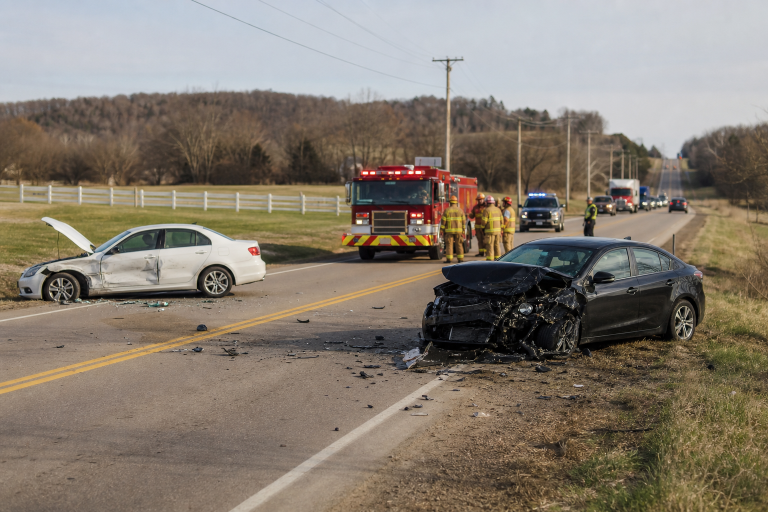
Evidence can disappear quickly. Vehicles are repaired, debris is cleared, surveillance footage is overwritten, and witnesses become harder to locate. If you are physically able and the area is safe, document the scene as soon as possible.
Scene Evidence
- Photographs of vehicle positions, damage, debris, skid marks, signs, and traffic signals.
- Photos showing weather, lighting, road conditions, and visible injuries.
- A written note describing what happened while the details remain fresh.
People and Digital Information
- Names, phone numbers, and insurance details for everyone involved.
- Witness contact information and the police agency or report number.
- Dashcam recordings, nearby camera information, phone photos, and relevant messages.
- Backup copies of all files in cloud storage, email, or another secure location.
Saying Too Much to Insurers
Drivers should generally notify their own insurer promptly and comply with policy requirements. The key is to provide accurate basic facts without guessing. It is reasonable to say you are still receiving medical care or do not yet know the full extent of your injuries.
- Do: Keep claim numbers, letters, emails, and notes from every phone call.
- Do: Ask what documents are being requested and retain copies before sending them.
- Do not: Give casual opinions about fault, speed, injuries, or future recovery.
- Do not: Sign a broad release or accept a quick settlement before reviewing it carefully.
- Do not: Post detailed comments, photographs, or updates about the accident on social media.
Overlooking Financial Losses
Accident-related losses can extend far beyond an emergency room bill or repair estimate. A person may need prescriptions, transportation to appointments, childcare assistance, household assistance, or time away from work. These expenses are easy to forget if they are not recorded as they occur.
Create one paper or digital file for medical bills, treatment records, prescription receipts, repair estimates, pay stubs, employer communications, insurance correspondence, and a brief daily journal. Notes about pain levels, sleep problems, missed activities, and limitations at home can help document how the accident affected everyday life.
Other Costly Mistakes to Avoid
- Waiting until symptoms become severe before seeking medical advice.
- Stopping treatment without discussing concerns or alternatives with a provider.
- Repairing, selling, or disposing of a damaged vehicle before it is fully documented.
- Deleting texts, photos, call logs, or dashcam footage connected to the collision.
- Missing an insurance deadline because mail, email, or voicemail was overlooked.
- Assuming a low-speed impact cannot cause a meaningful injury.
- Relying on another person’s verbal promise that they will “take care of everything.”
When a Legal Review May Help
A legal review may be useful when injuries are serious, fault is disputed, several vehicles are involved, or an insurer denies or undervalues a claim. It can also be important after crashes involving commercial trucks, company vehicles, uninsured drivers, pedestrians, bicyclists, motorcycles, defective vehicle parts, permanent limitations, or a death.
Deadlines and available claims depend on the facts, so people should not wait until a deadline is approaching to ask questions. After a serious accident, careful medical follow-through, organized records, preserved evidence, and thoughtful communication can help prevent small early mistakes from becoming major long-term problems.





Leave a Reply