Key Takeaways
- Understand your hair type to pick the best products and routines.
- Essential steps include regular cleansing, deep conditioning, and scalp care.
- Routines need to change with lifestyle and environmental shifts.
- Protective styling and regular trims keep hair healthy and growing.
- Your nutrition and overall well-being are critical to hair quality.
Table of Contents
- Understanding Your Hair Type
- Essential Steps in a Hair Care Routine
- Tailoring Your Routine to Your Lifestyle
- Protective Styling and Regular Trims
- Nutrition and Hair Health
- Conclusion
Maintaining healthy, vibrant hair is about more than simply choosing the right products. A great hair care routine evolves from understanding your hair’s needs, your lifestyle, and your preferences. With expert guidance and the right habits, you can design a hair regimen to boost strength, shine, and overall wellness. For individuals looking to encourage hair growth, exploring targeted hair growing products can also complement a comprehensive hair care strategy.
The journey to beautiful hair includes making educated choices that reflect your unique hair type and adapting as your needs and environment change. Consistency, nourishment, and attention to detail are the cornerstones of an effective hair care plan.
Whether you have fine, straight locks or textured coils, setting up effective habits goes far beyond simply washing and conditioning. Every step, from scalp care to environmental adaptations, contributes to the bigger picture of hair health. Building a customized routine focused on real, sustainable results can result in lasting improvements in your hair’s resilience and vibrance.
Along with external care, what you eat and how you live can be just as important as selecting shampoo. Hair quality thrives when you take a holistic approach that factors in everything from diet to physical activity. According to Healthline, adopting healthy lifestyle choices can directly affect your hair’s appearance and growth.
Understanding Your Hair Type
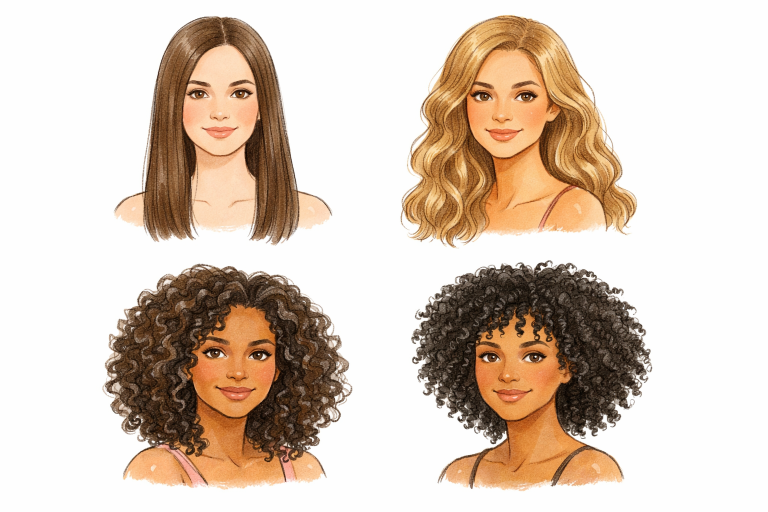
Identifying your hair type is the crucial first step in crafting a personalized hair care routine. Hair types generally fall into four main categories: straight (Type 1), wavy (Type 2), curly (Type 3), and coily (Type 4). Each has distinct needs that influence product selection and care routines.
- Type 1 (Straight): Typically oilier and may require frequent washing.
- Type 2 (Wavy): Prone to frizz; benefits from lightweight hydration.
- Type 3 (Curly): Dryer texture that flourishes with rich moisturizing and less frequent washing.
- Type 4 (Coily): Most fragile, requiring intense hydration and gentle handling.
Understanding your hair’s natural tendencies, porosity, and thickness also influences how it responds to moisture, styling, and different products. This foundational knowledge ensures your routine addresses your hair’s specific strengths and vulnerabilities, setting it up for sustainable health.
Essential Steps in a Hair Care Routine
A solid hair care regimen covers several basic steps that can be tailored to every hair type. Here are the foundational practices:
- Cleansing: Choose a gentle shampoo that matches your hair and scalp. Those with finer or oilier hair may need to wash every other day, while textured or dry hair types can usually cleanse just once weekly. Avoid overly harsh ingredients that can strip essential oils.
- Conditioning: After each cleanse, apply conditioner generously, focusing on the mid-lengths and ends. It helps detangle, smooth, and reinforce your strands. Look for conditioners formulated for your main concerns, such as color protection or deep moisture.
- Scalp Care: Healthy hair starts with a healthy scalp. Regular massages improve circulation, helping deliver nutrients to follicles. Specialized treatments, such as exfoliating scrubs or serums, can address itching, flakes, or buildup. Techniques for scalp health are discussed in-depth on Healthline.
- Moisturizing Treatments: Weekly deep conditioning masks or leave-in conditioners add extra hydration. They are essential for those with dry, brittle, or chemically treated hair, helping boost elasticity and manageability.
- Heat Protection: Before heat styling, always use a heat protectant spray or serum. This shields strands from the drying and breakage associated with high temperatures, keeping your hair smooth and resilient.
Tailoring Your Routine to Your Lifestyle
Your daily habits and surroundings play a big role in your hair’s condition and needs. If you exercise often, you may need to rinse or co-wash more frequently to remove sweat and debris. People living in humid climates should opt for anti-frizz and lightweight formulas, while those in drier environments should prioritize hydrating products and protective styles.
- Activity Level: Increased activity can require additional cleansing, so adapt your shampoo and conditioning frequency accordingly.
- Climate: Use products that protect against humidity or dryness, based on where you live.
- Styling Habits: Heat tools and chemical processes call for extra protection and restorative treatments to preserve hair health.
Protective Styling and Regular Trims
Protective hairstyles like braids, buns, or twists help minimize physical and environmental stress. They prevent breakage, retain moisture, and reduce the need for manipulation. At the same time, trimming every 6 to 8 weeks is key to removing split ends and supporting hair health, even if you’re growing your hair longer. These habits prevent progressive damage, allowing for strong, healthy growth over time.
Nutrition and Hair Health
Your hair directly reflects your diet and overall well-being. Protein forms the structural base of your hair, so adequate protein intake is essential. Iron is vital for scalp circulation and nourishing hair follicles. Vitamins A and C boost sebum production and collagen creation, and omega-3 fatty acids enhance scalp and hair moisture.
- Protein: For structure and strength.
- Iron: Needed for growth and circulation.
- Vitamins: Support natural oil and cell production.
- Omega-3s: For healthy, hydrated hair and scalp.
Before turning to supplements, consult a healthcare professional to ensure they’re both safe and suitable for your needs. A balanced diet remains the best foundation for naturally beautiful hair.
Conclusion
Creating the ideal hair care routine begins with knowing your hair type and establishing essential habits that can adapt to your life and environment. Regular monitoring and thoughtful adjustments are your keys to long-term hair strength and vibrance. Consistent care, good nutrition, and healthy lifestyle choices lead to lasting, visible improvements in hair quality. By investing in your hair’s daily needs, you empower it to look and feel its very best.



Leave a Reply