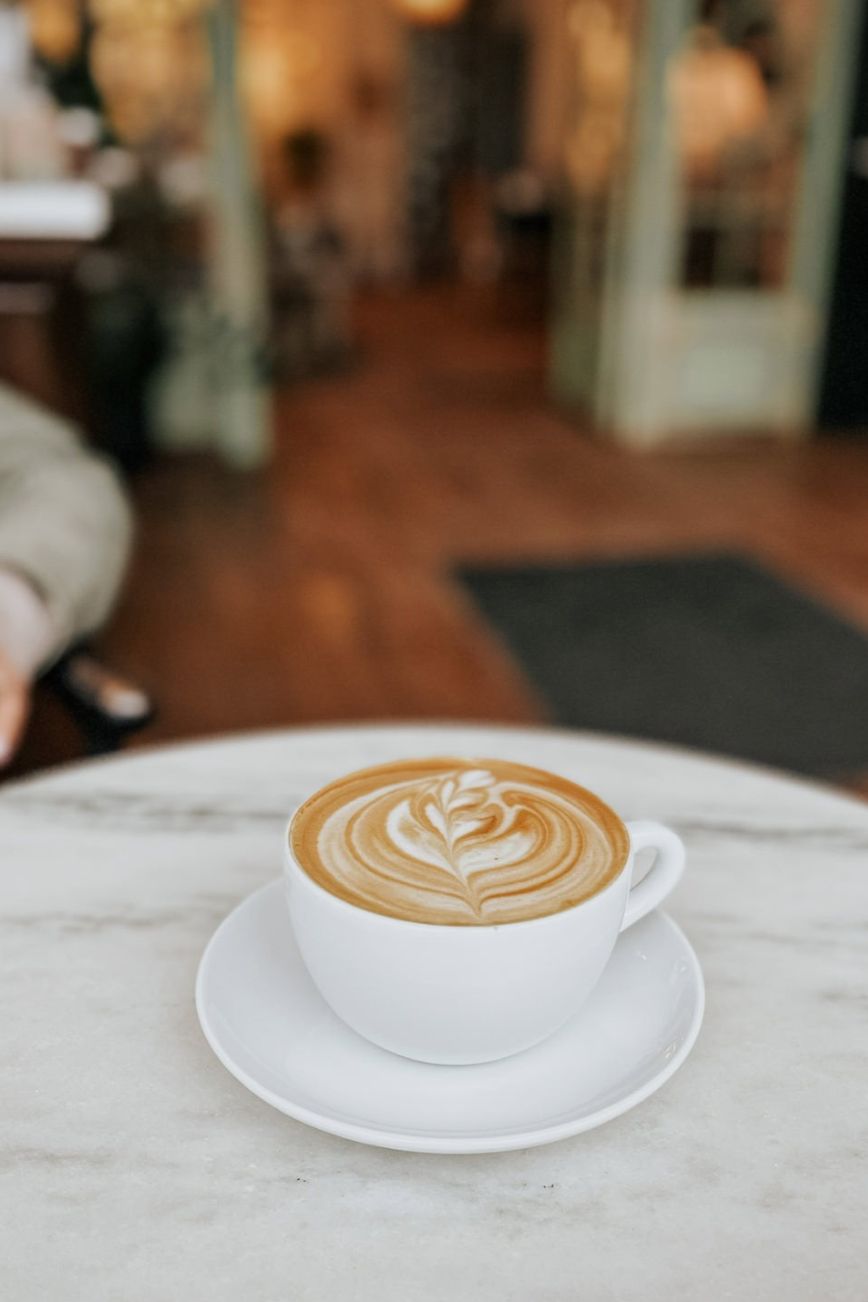
You buy the same beans the café uses. You even splurge on a nicer machine. And yet the cup you make at home tastes flat, or weirdly bitter, or just a little off compared to the one that feels like a small miracle when someone slides it across the counter to you. It is one of the quietest frustrations in any kitchen.
The good news is that you are not imagining it, and you are not doing everything wrong. Café coffee has several invisible advantages working in its favor, and once you know what they are, you can close most of the gap at home. Here is what is really going on inside that cup.
Coffee Is a Daily Ritual, So Small Things Add Up
Coffee is not an occasional treat for most people; it is a daily habit, which means tiny differences repeat themselves every single morning. The National Coffee Association reported that around 67% of American adults drink coffee every day, the highest level in more than two decades. When something is that woven into your routine, it is worth getting right.
That daily repetition is exactly why a café cup can feel so much better. Professionals have fine-tuned a handful of variables that most of us never think about at home. None of them are complicated once they are spelled out, and each one nudges your cup closer to the version you love.
Water Is Almost Everything in the Cup
Here is the fact that surprises people most: a cup of brewed coffee is roughly 98% water. That means the water you use is not a minor detail; it is nearly the whole drink. Hard, heavily chlorinated, or off-tasting tap water will carry those flaws straight into your morning coffee.
Cafés often run their water through filtration designed specifically for brewing, which strips out the bad stuff while keeping the minerals that help extract flavor. At home, a simple filter can make a bigger difference than a fancier machine. If your tap water tastes bad in a glass, it will taste bad in your coffee too.
It is worth tasting your tap water on its own before you blame the beans or the machine. If it carries a strong chlorine note or a mineral tang, that flavor becomes the foundation of every cup you brew. Switching to filtered or bottled water for a few days is a cheap experiment that often solves the whole mystery on its own.
Freshness Is the Café’s Secret Weapon
Coffee is at its best within a few weeks of roasting, and it starts losing character not long after a bag is opened. A café moves through beans quickly, so what you drink there is almost always fresher than the bag that has been sitting open on your counter since last month.
Oxygen, light, heat, and moisture are all working against those beans at home. Buying smaller amounts more often, storing them in an airtight container away from the stove, and using them while they are fresh will immediately lift your cup. Stale beans are one of the most common reasons home coffee disappoints.
Beans, Roast, and the Acidity Factor
The beans themselves obviously matter, but so does how your body responds to them. Some coffees taste sharp or sour, and for a lot of people that acidity also means an unhappy stomach, which can quietly sour the whole ritual. The roast level and the type of bean both play into this.
This is where options like low acid coffee K-cups come in, and a brand such as Trucup makes a smoother, gentler cup for people who find regular coffee harsh, all without giving up the convenience of a pod. If your home coffee tastes more bitter or acidic than the café’s, experimenting with a lower-acid bean or roast is an easy and often overlooked fix.
Grind and Brewing Technique
Grind size does a lot of hidden work. Pre-ground coffee goes stale faster and rarely matches your brewing method, while a fresh, consistent grind from a burr grinder pulls flavor far more evenly. Cafés grind to order, which is a big part of why their cup tastes cleaner.
Temperature and timing finish the job. Water that is just off the boil, somewhere around 195 to 205 degrees, and the right amount of coffee for the amount of water will transform your results. Too little coffee tastes thin and sour, while water that is too hot or too cool pulls the balance in the wrong direction.
The Bottom Line
Café coffee is not magic. It is the sum of good water, fresh beans, the right grind, and careful brewing, all handled by people who do it hundreds of times a day. Each of those is something you can improve in your own kitchen once you know it matters.
Start with the easy wins: better water, fresher beans, and a bean or roast that actually agrees with you. Dial in your grind and temperature from there, and that frustrating gap between home and the café shrinks to almost nothing.



Leave a Reply