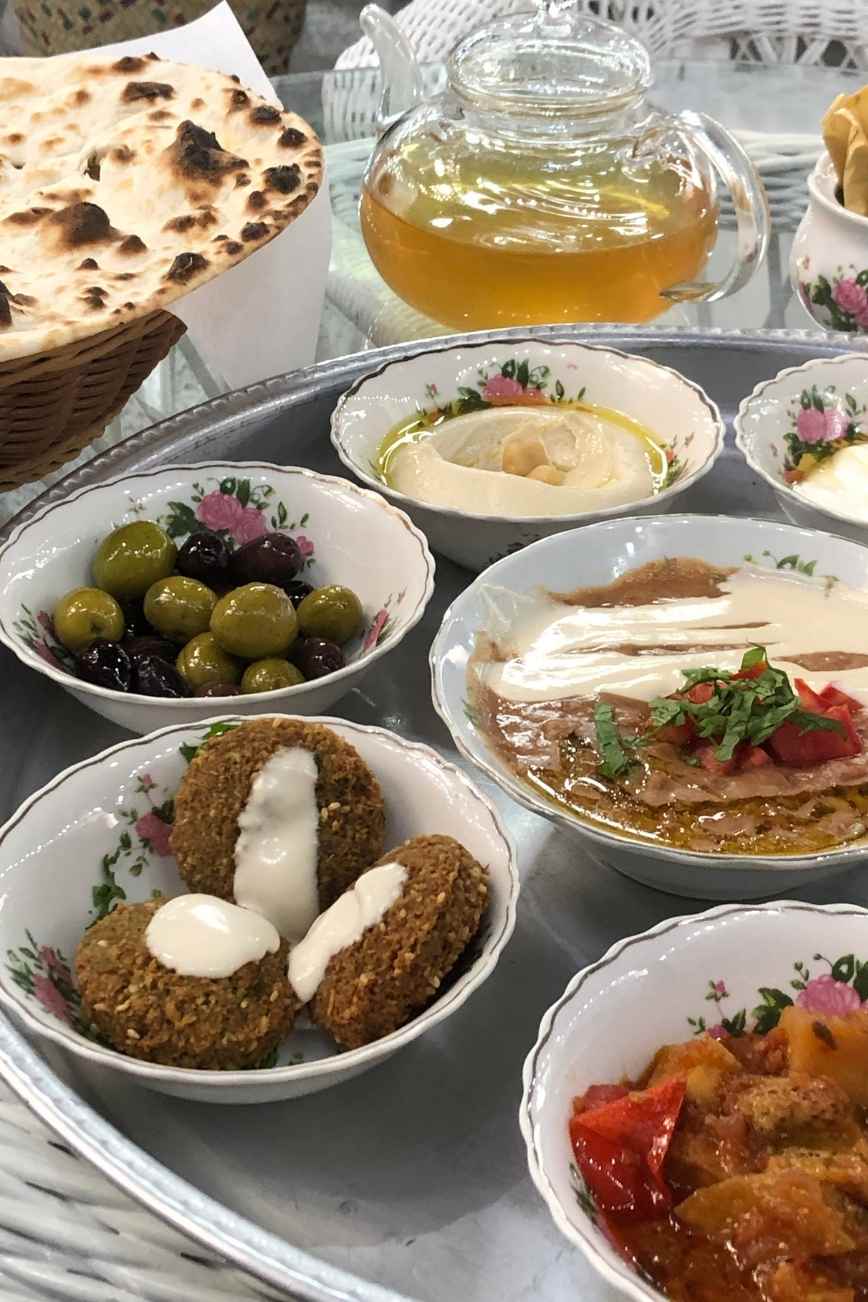
A buffet can look simple on paper: choose the menu, count the guests, set out the food and let everyone eat. In practice, the hard part is making sure the meal works for people with different tastes, dietary needs and appetites.
This matters even more when halal food is part of the plan. If you are organising a work lunch, family gathering or large celebration, looking at Halal Buffet Catering in Singapore can help you understand how a full halal buffet menu may be structured before you make your own choices. The bigger question, though, is how to build a spread that feels generous without creating waste or leaving guests with limited options.
Start With Your Guest List
The first mistake is planning the menu before understanding who will eat it. A buffet for 20 colleagues is different from one for 100 guests at a family event.
Start with three numbers: total guests, expected dietary needs and the number of people likely to eat each meal category. You do not need a perfect prediction. You need enough information to avoid obvious gaps.
For example, if 60 people are attending and 15 are vegetarian, simply adding one vegetable dish may not be enough. That dish could become the main option for those 15 guests, especially if the other sides contain meat or seafood.
Build Around Food Categories
A strong buffet is easier to plan when you think in categories rather than individual dishes. This also prevents the common mistake of choosing five dishes that all serve the same purpose.
A useful starting mix is:
- One or two main proteins
- One vegetarian main or substantial vegetable dish
- Two contrasting sides
- A carbohydrate such as rice, noodles or potatoes
- Salad or fresh vegetables
- Dessert
- Sauces or condiments that complement the meal
Variety does not mean adding as many dishes as possible. It means giving guests different textures, flavours and levels of richness.
A creamy main beside another creamy side adds less variety than a grilled or spiced dish paired with something fresh and crisp.
Do Not Overorder Everything
More food feels safer when you are worried about guests going hungry. But ordering extra portions of every dish is one of the easiest ways to create waste.
Here is a simple example. Imagine a buffet for 80 people. Instead of treating every dish as if all 80 guests will take a full serving, consider how the dishes interact. Most people will take smaller portions of several items, while a few popular dishes may need more.
The better decision rule is this: add more quantity to the dishes you expect people to return to, not every dish on the table.
That could mean giving extra attention to a popular rice dish or main protein while keeping less familiar sides at moderate quantities.
Make The Menu Easy To Read
A buffet can become confusing when guests have to ask what every dish contains. Clear labels solve much of this problem.
Use simple descriptions that answer the questions people are most likely to have. Is it vegetarian? Does it contain seafood? Is it spicy? Is it a main dish or a side?
This is especially useful at corporate events, where you may not know every guest personally. A clear label gives people control over what they put on their plate.
There is also a practical benefit. When guests can identify suitable dishes quickly, the queue moves more smoothly.
Balance Familiar And New
A menu made entirely of unfamiliar dishes can make guests cautious. A menu made entirely of safe choices can feel dull.
The better approach is to combine both.
Include a few dishes that most guests will recognise, then use one or two less expected choices to add interest. Think of the familiar dishes as anchors. They give cautious eaters something comfortable while more adventurous guests explore the rest of the table.
This works particularly well for mixed groups. You are not trying to make every dish appeal to everyone. You are making sure everyone has enough appealing choices.
Plan The Buffet Flow
Food selection is only half the experience. The physical order of the buffet can affect how quickly people move through it.
Put plates and cutlery at the beginning. Place the main food next, followed by sides and sauces. Keep desserts and drinks separate when possible so people who have finished eating do not block the main queue.
For larger events, consider whether two serving points would work better than one long line. A second point can be more useful than simply adding more food because it addresses the real bottleneck: people waiting to serve themselves.
The best buffet plans are not the ones with the longest menus. They are the ones where guests can find something they enjoy, understand what they are eating and serve themselves without fuss.
If you start with the guest list, build real variety, control quantities and plan the flow, halal catering provided by Grain becomes less about avoiding problems and more about creating a meal people can genuinely enjoy together.




Leave a Reply